What Is the Difference Between Tanzania and Zanzibar? Your Complete Guide
The Question Everyone Asks: What Is the Difference Between Tanzania and Zanzibar?
If you’re planning an East African adventure, you’ve probably asked yourself: “What is the difference between Tanzania and Zanzibar?”
You’re not alone. This is literally the most common question we get at Glitzy Safaris, and honestly? It confused me too when I first started working in this industry.
Here’s the straightforward answer: Zanzibar is actually part of Tanzania, but the difference between Tanzania and Zanzibar is like comparing mainland United States to Hawaii—technically one country, but completely different experiences.
Understanding what is the difference between Tanzania and Zanzibar will help you plan the perfect trip. So let’s break down everything you need to know.
What Is the Difference Between Tanzania and Zanzibar? The Quick Answer
When people ask “what is the difference between Tanzania and Zanzibar,” they’re really asking about two distinct experiences within one country:
Mainland Tanzania is a massive East African nation spanning 945,000 square kilometers, famous for:
- World-class wildlife safaris in the Serengeti and Ngorongoro Crater
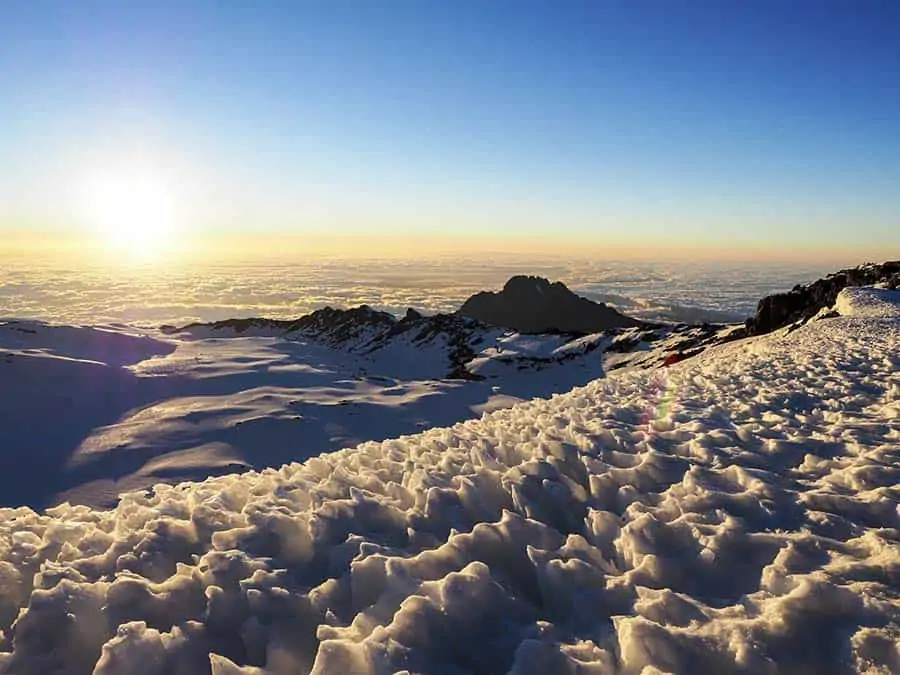
- Mount Kilimanjaro—Africa’s highest peak at 5,895 meters
- Vast savannas, dramatic landscapes, and diverse ecosystems
- Over 120 ethnic groups with rich cultural traditions
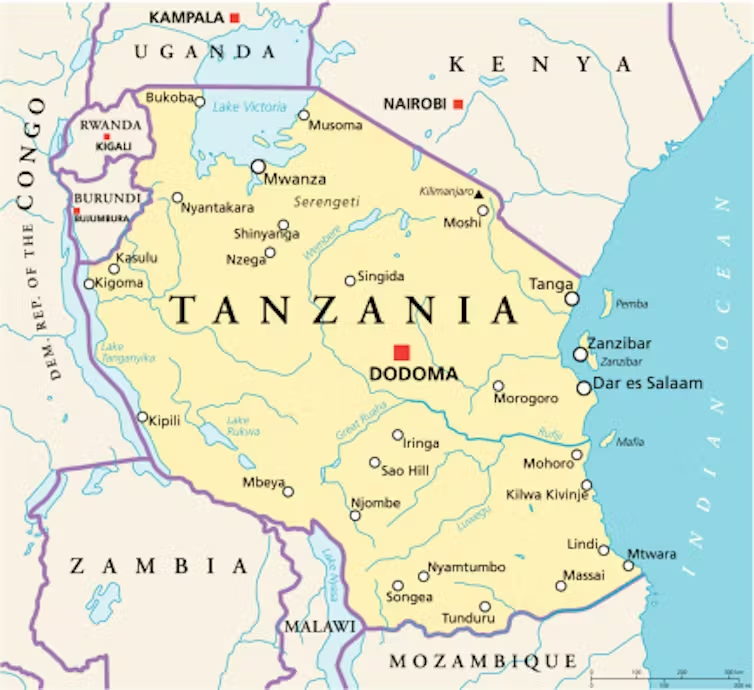
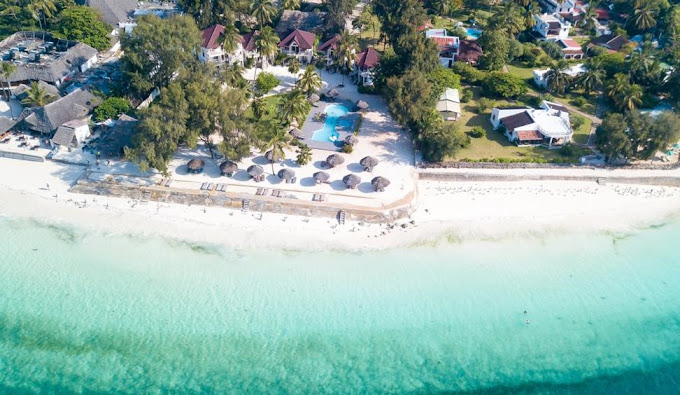
Zanzibar is a semi-autonomous archipelago floating in the Indian Ocean, 35 kilometers off Tanzania’s coast, known for:
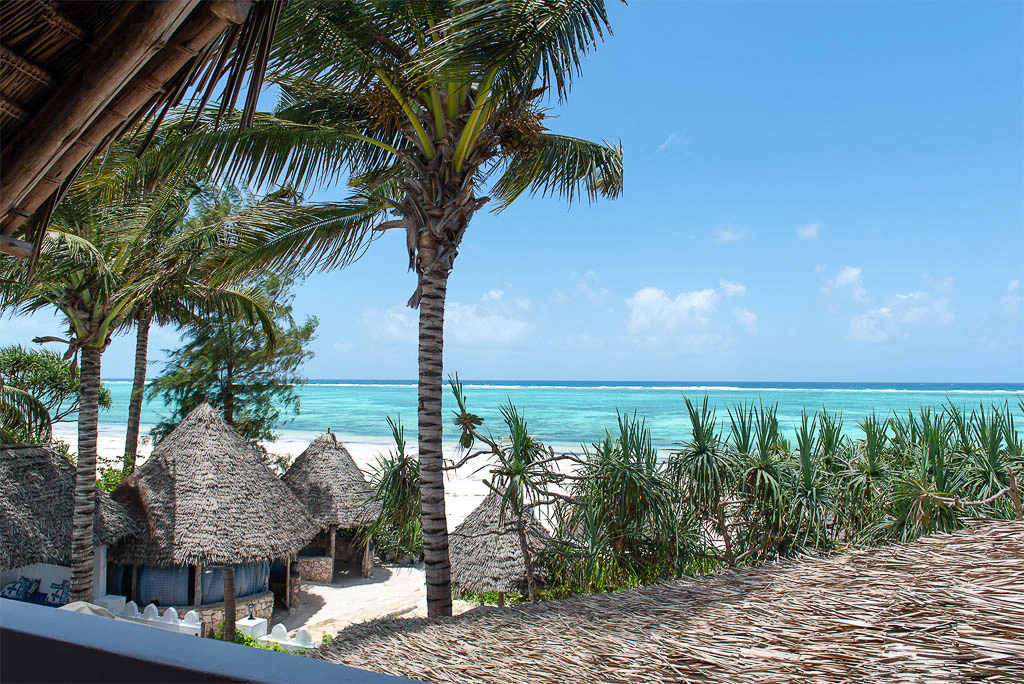
- Pristine white-sand beaches and turquoise waters
- Historic Stone Town (UNESCO World Heritage Site)
- Spice plantations and Swahili-Arab culture
- World-class diving and snorkeling
The real difference between Tanzania and Zanzibar? Mainland Tanzania delivers raw African wilderness and adventure, while Zanzibar offers tropical relaxation and cultural immersion.
Understanding the Political Difference Between Tanzania and Zanzibar
To fully grasp what is the difference between Tanzania and Zanzibar, you need to understand their unique relationship.
The Historical Background
In 1964, Tanganyika (mainland Tanzania) and the Zanzibar archipelago united to form the United Republic of Tanzania. However, a key difference between Tanzania and Zanzibar is that Zanzibar maintained semi-autonomous status with:
- Its own government and president
- Separate immigration system
- Independent legal framework
- Distinct cultural identity
What This Means for Your Trip
One practical difference between Tanzania and Zanzibar that surprises first-time visitors: you’ll pass through immigration when flying from mainland Tanzania to Zanzibar, even though you’re not leaving the country.
Don’t worry—your Tanzania visa covers both regions. This immigration checkpoint simply reflects Zanzibar’s special autonomous status within Tanzania.
The Landscape Difference Between Tanzania and Zanzibar
Perhaps the most obvious difference between Tanzania and Zanzibar is the dramatic contrast in landscapes.
Mainland Tanzania’s Diverse Terrain
When exploring what is the difference between Tanzania and Zanzibar in terms of geography, mainland Tanzania offers:
Endless Savannas: The Serengeti’s 14,750 square kilometers of golden grasslands where the Great Migration unfolds
Volcanic Landscapes: Ngorongoro Crater—the world’s largest intact volcanic caldera hosting 25,000 large animals
Mountain Ranges: Mount Kilimanjaro’s snow-capped peak dominating the skyline, alongside Mount Meru and the Eastern Arc Mountains
Great Lakes: Lake Victoria (Africa’s largest), Lake Tanganyika (world’s second-deepest), and smaller crater lakes
Zanzibar’s Island Paradise
The landscape difference between Tanzania and Zanzibar becomes immediately clear when you land in Zanzibar:
Tropical Beaches: Powder-white sand stretching for kilometers along the Indian Ocean
Coral Reefs: Pristine underwater ecosystems teeming with marine life
Spice Plantations: Lush green farms growing cloves, cinnamon, and vanilla
Historic Architecture: Stone Town’s coral-stone buildings and narrow winding alleys
This stark landscape difference between Tanzania and Zanzibar explains why most travelers visit both—they complement each other perfectly.
The Wildlife and Marine Life Difference Between Tanzania and Zanzibar
Another major difference between Tanzania and Zanzibar is what you’ll encounter in the animal kingdom.
Mainland Tanzania: Big Five and Beyond
Understanding what is the difference between Tanzania and Zanzibar means recognizing Tanzania’s unmatched wildlife:
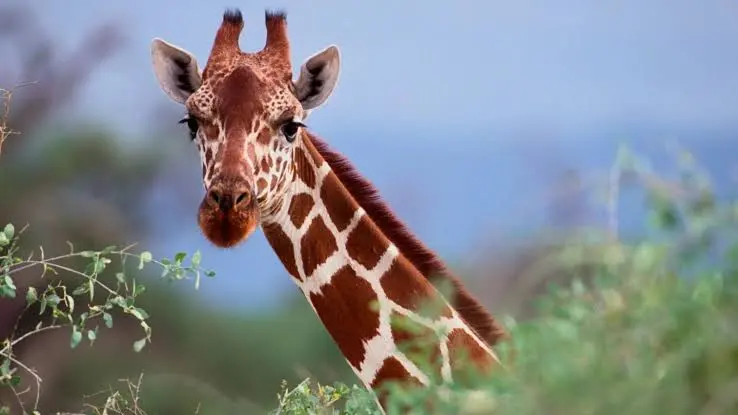
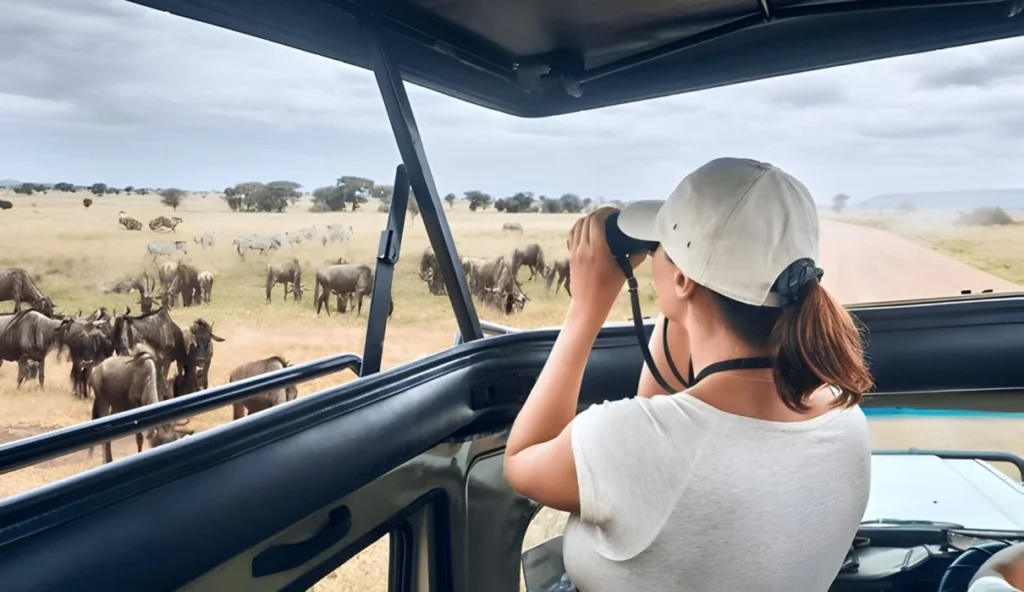
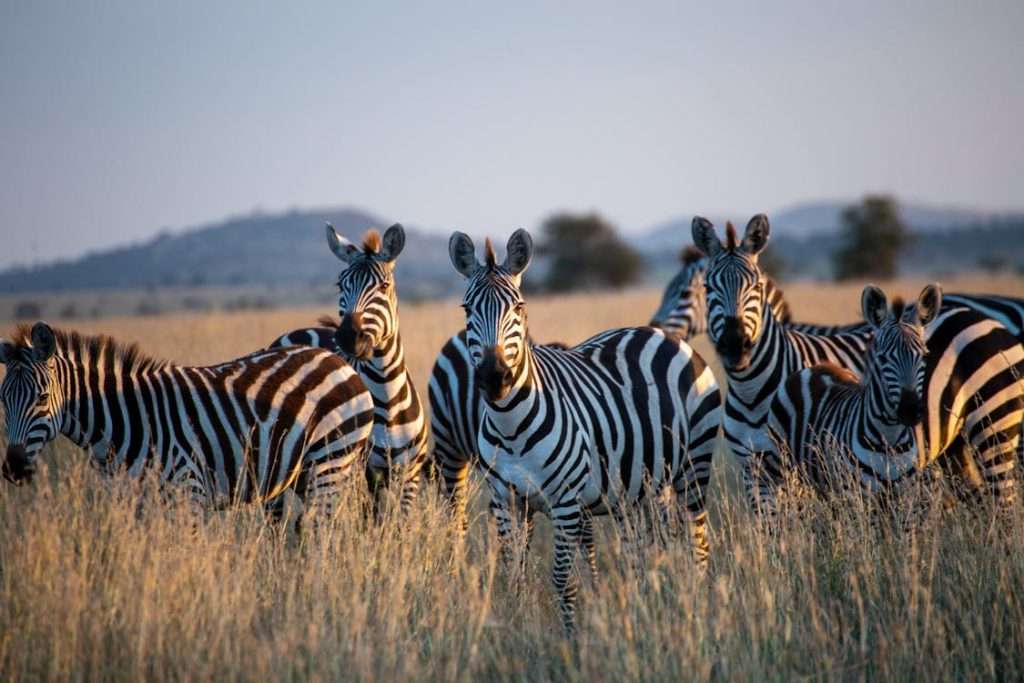
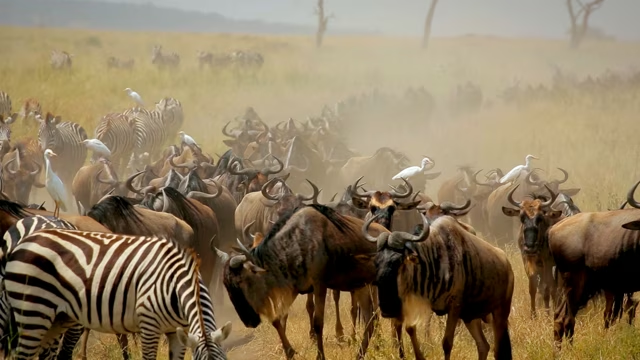
The Serengeti National Park hosts the Great Migration—1.5 million wildebeest and 200,000 zebras moving in massive herds. You’ll witness:
- Lions hunting in coordinated prides
- Cheetahs sprinting across open plains
- Leopards resting in acacia trees
- Elephants in massive family groups
- The dramatic Mara River crossings
Ngorongoro Crater concentrates all Big Five species (lion, leopard, elephant, buffalo, rhino) in one location—something that demonstrates a clear difference between Tanzania and Zanzibar’s wildlife offerings.
Tarangire National Park features elephant herds up to 300 individuals strong, ancient baobab trees, and exceptional predator sightings during dry season.
Zanzibar: Marine Wonders
The wildlife difference between Tanzania and Zanzibar shifts underwater:
Marine Life: Sea turtles, dolphins, tropical fish, octopuses, and whale sharks (seasonal)
Coral Reefs: Vibrant ecosystems around Mnemba Atoll and Pemba Island
Dolphins: Wild pods near Kizimkazi village
This fundamental difference between Tanzania and Zanzibar—land mammals versus marine life—is why combining both destinations creates such a complete experience.
The Activity Difference Between Tanzania and Zanzibar
What is the difference between Tanzania and Zanzibar when it comes to daily activities? Let me paint you a picture.
Typical Day in Mainland Tanzania
5:30 AM: Wake-up call (yes, really) 6:00 AM: Coffee and biscuits before heading out 6:30 AM – 10:30 AM: Morning game drive during prime animal activity 11:00 AM: Brunch at the lodge 12:00 PM – 3:30 PM: Rest during hot midday hours (or optional activities) 4:00 PM – 7:00 PM: Afternoon/evening game drive 7:30 PM: Dinner around the campfire, sharing the day’s sightings
Activities that highlight the Tanzania side of the difference:
- Game drives in open safari vehicles
- Walking safaris with armed guides
- Hot air balloon safaris over the Serengeti
- Mount Kilimanjaro climbing expeditions
- Cultural visits to Maasai and Hadzabe communities
- Bush breakfasts and sundowners
Typical Day in Zanzibar
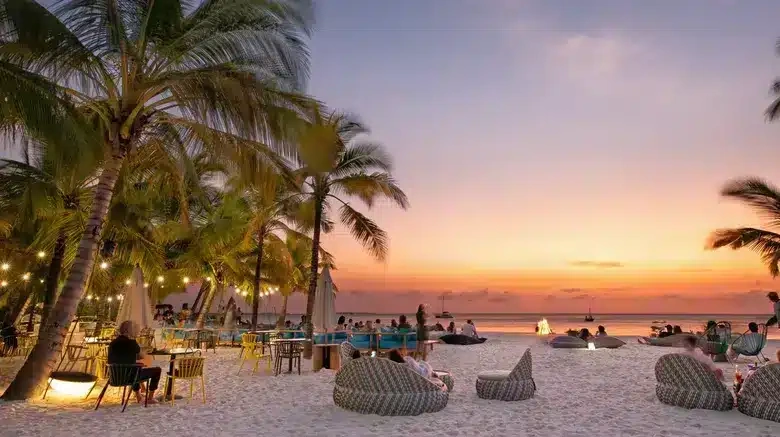
8:00 AM: Wake naturally, no alarm needed 8:30 AM: Leisurely breakfast overlooking the ocean 9:00 AM – 12:00 PM: Beach time, snorkeling, or morning spice tour 12:30 PM: Fresh seafood lunch at beachside restaurant 1:00 PM – 4:00 PM: Siesta, reading, or water sports 4:30 PM: Explore Stone Town or enjoy beach sunset 7:00 PM: Sunset dhow cruise or dinner at Forodhani Gardens
Activities that define the Zanzibar side of the difference:
- Snorkeling and scuba diving pristine reefs
- Stone Town historical walking tours
- Spice plantation tours
- Kitesurfing in Paje
- Traditional dhow sailing
- Swimming with dolphins
- Kayaking through mangrove forests
- Simply relaxing on the beach
This activity difference between Tanzania and Zanzibar shows why they appeal to different travel styles—or better yet, different phases of the same trip.
The Cultural Difference Between Tanzania and Zanzibar
What is the difference between Tanzania and Zanzibar culturally? This is where things get really interesting.
Mainland Tanzania’s Diverse Cultures
The cultural difference between Tanzania and Zanzibar starts with diversity versus fusion. Mainland Tanzania hosts over 120 distinct ethnic groups:
Maasai People: Semi-nomadic pastoralists famous for red shukas, intricate beadwork, and traditional jumping dances
Hadzabe Tribe: One of Earth’s last hunter-gatherer communities, maintaining ancient survival skills
Chagga People: Agricultural communities on Kilimanjaro’s slopes, known for coffee cultivation
Religious Mix: Christianity, Islam, and indigenous beliefs coexist peacefully, creating a secular atmosphere in most areas
Zanzibar’s Swahili-Arab Fusion
The Zanzibar side of the cultural difference between Tanzania and Zanzibar reflects centuries of Indian Ocean trade:
Islamic Influence: About 99% of Zanzibaris are Muslim, shaping daily life, dress, and customs
Arab Heritage: Visible in architecture, language, and social customs
Persian and Indian Influences: Evident in cuisine, spice trade, and business practices
Swahili Identity: A unique blend of African, Arab, Persian, and Indian cultures
Understanding this cultural difference between Tanzania and Zanzibar helps you pack appropriately and interact respectfully in each location.
The Food Difference Between Tanzania and Zanzibar
What is the difference between Tanzania and Zanzibar when it comes to food? Honestly, it’s dramatic.
Mainland Tanzania Cuisine
The culinary difference between Tanzania and Zanzibar shows in mainland Tanzania’s straightforward, hearty dishes:
Ugali: Dense maize porridge (staple carbohydrate eaten with hands) Nyama Choma: Grilled meat—usually goat or beef, simply seasoned Mchuzi: Basic meat or vegetable stews Chipsi Mayai: French fries cooked into an omelet (popular street food)
Safari lodges typically serve Western-style food—grilled chicken, pasta, vegetables, soups. Nothing fancy, but filling after active days.
Zanzibar’s Spice-Infused Cuisine
The Zanzibar side of the food difference between Tanzania and Zanzibar explodes with flavor:
Coconut Curries: Rich seafood or chicken curries with fresh coconut milk Biryani: Fragrant spiced rice with meat, showing Indian influence Zanzibar Pizza: Street food with thin dough filled with meat, cheese, or Nutella Urojo: Tangy soup with potatoes, cassava fritters, and bhajias Octopus Curry: Local specialty showcasing fresh seafood Fresh Grilled Fish: With tamarind sauce, caught that morning
This food difference between Tanzania and Zanzibar reflects their histories—mainland Tanzania’s focus on sustenance versus Zanzibar’s centuries as a spice trade hub.
The Accommodation Difference Between Tanzania and Zanzibar
Understanding what is the difference between Tanzania and Zanzibar includes knowing where you’ll sleep.
Mainland Tanzania Accommodations
The accommodation difference between Tanzania and Zanzibar on the mainland features:
Tented Camps: Canvas tents with proper beds, en-suite bathrooms, and stunning wilderness views (my personal favorite)
Safari Lodges: Permanent structures with rooms overlooking waterholes or landscapes
Budget Camping: Basic campsites where you sleep in simple tents (very affordable)
Luxury Camps: High-end tented camps with hot tubs, private decks, and gourmet meals
Mountain Huts: Basic shelter on Kilimanjaro climbing routes
Zanzibar Accommodations
The Zanzibar side of the accommodation difference between Tanzania and Zanzibar offers:
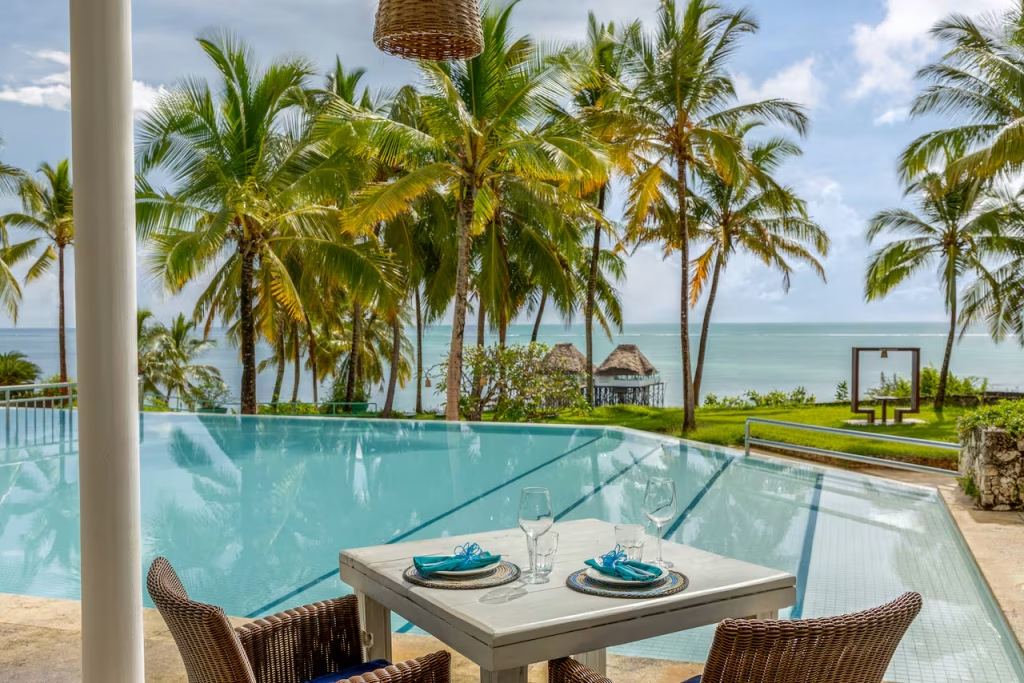
Beach Resorts: From budget guesthouses to five-star luxury properties
Boutique Hotels: Converted historic buildings in Stone Town
Beachfront Bungalows: Individual cottages steps from the ocean
Eco-Lodges: Sustainable properties using solar power and local materials
Budget Guesthouses: Simple rooms in local villages
This accommodation difference between Tanzania and Zanzibar reflects each location’s primary draw—wilderness camps versus beach resorts.
The Cost Difference Between Tanzania and Zanzibar
What is the difference between Tanzania and Zanzibar price-wise? Let’s talk real numbers.
Mainland Tanzania Safari Costs
The cost difference between Tanzania and Zanzibar shows mainland Tanzania as more expensive:
Budget Safaris: $200-300 per person per day
- Basic camping
- Shared vehicles
- Simple meals
- Public campsites
Mid-Range Safaris: $300-500 per person per day
- Comfortable lodges
- Quality vehicles
- Good food
- Semi-private arrangements
Luxury Safaris: $500-1,500+ per person per day
- Premium camps
- Private guides
- Gourmet meals
- Exclusive experiences
Why so expensive? Park fees alone cost $60-80 per person per day, plus specialized vehicles, trained guides, and remote lodge logistics.
Zanzibar Costs
The Zanzibar side of the cost difference between Tanzania and Zanzibar offers more flexibility:
Budget Travel: $50-100 per day
- Local guesthouses
- Street food and local restaurants
- Public transportation
- DIY activities
Mid-Range: $100-250 per day
- Nice beach hotels
- Tourist restaurants
- Some organized tours
- Comfortable amenities
Luxury: $250-600+ per day
- Boutique resorts
- Fine dining
- Spa treatments
- Premium experiences
This cost difference between Tanzania and Zanzibar means you can balance your budget by choosing luxury safari with budget Zanzibar, or vice versa.
The Climate Difference Between Tanzania and Zanzibar
What is the difference between Tanzania and Zanzibar weather-wise?
Mainland Tanzania Climate
The climate difference between Tanzania and Zanzibar on the mainland varies by region and altitude:
Serengeti and Tarangire (lower altitude):
- Hot days: 25-30°C (77-86°F)
- Cool nights: 10-15°C (50-59°F)
- Dry season: June-October
- Rainy season: March-May, November-December
Ngorongoro Crater Rim (2,400m altitude):
- Cool year-round: 10-20°C (50-68°F)
- Can be chilly at night
- Mist and fog common
Mount Kilimanjaro:
- Varies dramatically by altitude
- Summit: below freezing
- Base: warm tropical
Zanzibar’s Tropical Climate
The Zanzibar side of the climate difference between Tanzania and Zanzibar is consistently tropical:
Year-round warm temperatures: 25-32°C (77-90°F)
Two rainy seasons:
- Long rains: March-May
- Short rains: November
High humidity: Especially during rainy seasons
Consistent ocean temperatures: 25-28°C (77-82°F) year-round
This climate difference between Tanzania and Zanzibar means you’ll pack differently for each destination—warm layers for safari, light beach clothes for Zanzibar.
What Is the Difference Between Tanzania and Zanzibar: Side-by-Side Comparison
Here’s the complete breakdown of what is the difference between Tanzania and Zanzibar:
| Category | Mainland Tanzania | Zanzibar |
|---|---|---|
| Geography | Massive mainland (945,000 km²) | Island archipelago (2,461 km²) |
| Main Attraction | Wildlife safaris, mountain climbing | Beach relaxation, water sports |
| Landscape | Savannas, mountains, lakes, forests | Beaches, coral reefs, plantations |
| Wildlife | Big Five, Great Migration, predators | Dolphins, sea turtles, tropical fish |
| Typical Wake-up Time | 5:30-6:00 AM | Whenever you want |
| Daily Activities | Game drives, hiking, cultural tours | Snorkeling, spice tours, beach lounging |
| Travel Pace | Active, structured schedules | Relaxed, flexible |
| Accommodation | Safari lodges, tented camps | Beach resorts, boutique hotels |
| Food Style | Hearty, simple African dishes | Spice-infused, seafood-focused |
| Ethnic Diversity | 120+ distinct groups | Predominantly Swahili-Arab |
| Religion | Mixed (Christian, Muslim, traditional) | 99% Muslim |
| Architecture | Modern and traditional African | Arab-influenced coral stone |
| Language | Swahili and English | Swahili (with more Arabic words) |
| Climate | Varies by altitude and region | Tropical island year-round |
| Best Season | June-October (dry season) | June-October, December-February |
| Road Conditions | Often rough and dusty | Better paved roads |
| Internet | Limited in remote areas | Generally reliable in resorts |
| Dress Code | Safari casual, neutral colors | Beach casual; modest in towns |
| Photography Focus | Wildlife, landscapes, sunsets | Beaches, architecture, underwater |
| Physical Demands | Moderate to high | Low |
| Cultural Experiences | Tribal visits, village tours | Stone Town, spice farms, markets |
| Water Activities | Limited to lakes | World-class diving and snorkeling |
| Average Daily Cost | $200-500+ per person | $50-300+ per person |
| Recommended Duration | 4-7 days | 3-5 days |
| Best For | Adventure seekers, wildlife photographers | Beach lovers, honeymooners, divers |
| Crowd Levels | Varies by park and season | More consistent tourism |
| Unique Experiences | Great Migration, Big Five, Kilimanjaro | Spice tours, Stone Town, pristine reefs |
This table clearly shows what is the difference between Tanzania and Zanzibar across every important category.
The Travel Logistics Difference Between Tanzania and Zanzibar
What is the difference between Tanzania and Zanzibar when actually traveling? Let me break down the practical details.
Getting to Each Destination
Flying to Mainland Tanzania:
- Kilimanjaro International Airport (JRO) for northern safari circuit
- Julius Nyerere International Airport (DAR) in Dar es Salaam for southern parks
Flying to Zanzibar:
- Abeid Amani Karume International Airport (ZNZ) with direct international flights
- OR 2-hour ferry from Dar es Salaam
Between the two: Multiple daily flights (60-90 minutes, $80-200)
The Immigration Quirk
One unique difference between Tanzania and Zanzibar: you’ll pass through immigration when traveling from mainland to islands, despite staying in one country. Your Tanzania visa works for both—it’s just a formality.
Visa Requirements (No Difference Here!)
Unlike what is the difference between Tanzania and Zanzibar in other areas, visas are the same:
- Single Tanzania visa covers both regions ($50-100 depending on nationality)
- Available on arrival or online in advance
- Valid for both mainland and Zanzibar
What Is the Difference Between Tanzania and Zanzibar for Different Traveler Types?
Understanding what is the difference between Tanzania and Zanzibar helps you choose based on your travel style.
Choose Mainland Tanzania If You’re:
✓ A wildlife enthusiast who dreams of seeing the Great Migration ✓ An adventure seeker comfortable with early starts and active days ✓ A photographer wanting National Geographic-style shots ✓ A hiker ready to tackle Mount Kilimanjaro ✓ Someone fascinated by African tribal cultures ✓ Traveling with animal-obsessed kids ✓ Not bothered by dust, bugs, and rustic conditions
Choose Zanzibar If You’re:
✓ A beach lover prioritizing relaxation ✓ A honeymooner seeking romantic sunsets ✓ A diver or snorkeler wanting pristine reefs ✓ A history buff interested in Swahili-Arab culture ✓ Someone who values flexible, unstructured days ✓ A foodie wanting exotic spice-infused cuisine ✓ Recovering from jet lag or a stressful period
The Truth About the Difference Between Tanzania and Zanzibar
Here’s what I tell everyone: the real answer to “what is the difference between Tanzania and Zanzibar” is that they’re complementary, not competitive.
About 85% of our Glitzy Safaris clients combine both because:
The contrast enhances each experience: After safari adventures, Zanzibar’s beaches feel even more magical. After beach relaxation, you actually miss the wildlife excitement.
You get the complete Tanzania experience: Wilderness and beaches, adventure and relaxation, African and Arab cultures.
Practical benefits: Zanzibar provides recovery time before your long flight home.
The Perfect Combined Itinerary: Experiencing Both Sides of the Difference
Now that you understand what is the difference between Tanzania and Zanzibar, here’s how to experience both:
Classic 10-Day Tanzania and Zanzibar Itinerary
Days 1-2: Tarangire National Park
- Arrive Kilimanjaro Airport
- Safari among elephant herds and baobab trees
- Stay at safari lodge
Days 3-5: Serengeti National Park
- Drive through Ngorongoro Conservation Area
- Three full days tracking the Great Migration
- Optional hot air balloon safari
- Stay in tented camp
Day 6: Ngorongoro Crater
- Morning game drive on crater floor
- Afternoon drive to Arusha
- Evening flight to Zanzibar
Days 7-9: Zanzibar
- Stone Town walking tour and spice plantation
- Beach activities: snorkeling, diving, kayaking
- Sunset dhow cruise
- Stay at beach resort
Day 10: Departure
Cost estimate: $3,500-5,000 per person (mid-range)
This itinerary perfectly showcases what is the difference between Tanzania and Zanzibar by giving you both experiences.
Frequently Asked Questions About the Difference Between Tanzania and Zanzibar
What is the difference between Tanzania and Zanzibar politically?
Zanzibar is a semi-autonomous region within Tanzania with its own government, president, and immigration system. While part of one country, Zanzibar maintains significant independence in governance.
What is the difference between Tanzania and Zanzibar in terms of safety?
Both are generally safe for tourists. The main difference is that Zanzibar has more tourism infrastructure and security focused on resort areas, while mainland Tanzania safaris are safe but more remote. Standard travel precautions apply to both.
Do I need separate visas for Tanzania and Zanzibar?
No! This is one area where there’s no difference between Tanzania and Zanzibar—your single Tanzania visa covers both regions.
What is the difference between Tanzania and Zanzibar for honeymoons?
The difference is complementary: Tanzania offers adventure and unique wildlife experiences, while Zanzibar provides romantic beaches and relaxation. Most honeymooners do both—safari first for excitement, beach second for intimacy.
Can I visit both Tanzania and Zanzibar in one trip?
Absolutely! Daily flights make it easy, and most tour operators (including Glitzy Safaris) specialize in combined itineraries. This is the best way to experience what is the difference between Tanzania and Zanzibar firsthand.
What is the difference between Tanzania and Zanzibar for budget travelers?
Tanzania safaris are generally more expensive ($200-500+ per day) due to park fees and logistics. Zanzibar offers more budget options ($50-100 per day) with guesthouses and local food. You can balance costs by mixing luxury and budget in each destination.
What is the difference between Tanzania and Zanzibar weather?
Mainland Tanzania’s climate varies by altitude and region (hot lowlands, cool highlands), while Zanzibar has consistent tropical island weather year-round. Both share similar best seasons: June-October and December-February.
Final Thoughts: What Is the Difference Between Tanzania and Zanzibar?
After reading this comprehensive guide, you now understand what is the difference between Tanzania and Zanzibar goes far beyond geography. It’s the difference between:
- Raw wilderness and tropical paradise
- Early morning game drives and sleeping in
- Watching lions hunt and snorkeling coral reefs
- Dusty safari vehicles and sunset dhow cruises
- Maasai warriors and Swahili merchants
- Bush dinners and seafood feasts
The beauty of understanding what is the difference between Tanzania and Zanzibar is realizing you don’t have to choose. These two destinations create the perfect East African experience when combined.
At Glitzy Safaris, we’ve mastered the art of blending both experiences seamlessly. We handle all the logistics—flights between destinations, accommodation bookings, activity scheduling, and everything in between.
Ready to Experience the Difference Between Tanzania and Zanzibar Yourself?
Stop wondering what is the difference between Tanzania and Zanzibar and start planning your adventure.
Contact Glitzy Safaris today for your free custom itinerary. Our expert team will design the perfect combination of safari excitement and beach relaxation based on your interests, timeline, and budget.
Whether you’re watching wildebeest cross the Mara River or watching the sunset from a Zanzibar beach, you’ll understand firsthand what is the difference between Tanzania and Zanzibar—and why experiencing both is absolutely unforgettable.