Kilimanjaro National Park

Overview

Kilimanjaro National Park sits at the heart of Tanzania’s adventure tourism, protecting Africa’s highest mountain and one of the world’s most iconic peaks. Mount Kilimanjaro rises dramatically from the northeastern plains of Tanzania, earning its status as a UNESCO World Heritage Site. The park was established in 1973 and received World Heritage designation in 1987. Today, it attracts thousands of trekkers, climbers, and nature lovers every year. At Glitzy Safaris, we believe this mountain represents the ultimate East African adventure.

What Is Kilimanjaro National Park?

Kilimanjaro National Park covers the snow-capped summit of Mt Kilimanjaro and the diverse ecosystems surrounding its base. Specifically, the park protects montane forests, moorland, alpine desert, and the arctic summit zone. Each zone supports unique wildlife and plant life. Furthermore, the park serves as a critical water catchment area for the surrounding region. Because of this ecological importance, UNESCO granted it World Heritage status — a designation it fully deserves.

Climbing Routes in Kilimanjaro National Park

Mount Kilimanjaro reaches 5,895 meters (19,341 feet) at Uhuru Peak, drawing adventurers from every corner of the globe. Fortunately, no technical climbing skills are required on most routes. Instead, success depends on fitness, preparation, and smart route selection. The Marangu route is a popular choice, known for its permanent mountain huts. The Machame route, on the other hand, offers a more scenic and physically demanding experience. Meanwhile, the Lemosho route stands out for its outstanding natural beauty and superior acclimatization profile. At Glitzy Safaris, our team helps every client choose the right Kilimanjaro route for their fitness level and goals.

Planning Your Kilimanjaro National Park Climb

Planning a successful climb of Mount Kilimanjaro requires careful thought and the right support team. First, choose a reputable operator with proven safety standards and experienced guides. Next, commit to a structured physical training programme well before your departure date. Additionally, invest in proper high-altitude gear, as conditions on the mountain change rapidly. Although no technical skills are needed, altitude remains the single biggest challenge for most climbers. Therefore, a slower ascent with built-in acclimatization days significantly increases your summit success rate. At Glitzy Safaris, we design every Kilimanjaro itinerary with acclimatization as a core priority — not an afterthought.

Beyond the Summit

Kilimanjaro National Park also rewards visitors who are not attempting the full climb. For instance, day hikes along the lower forest slopes offer encounters with colobus monkeys, exotic birdlife, and ancient trees. These experiences are accessible, affordable, and genuinely memorable. Moreover, the park pairs beautifully with a Tanzania safari or a Zanzibar beach extension. Whether you come to conquer Uhuru Peak or simply to walk beneath the mountain’s shadow, Kilimanjaro National Park delivers an adventure that stays with you long after you return home. Let Glitzy Safaris plan every step of your journey.

Safari Tours to Kilimanjaro National Park

No data was found

Accommodations in Kilimanjaro National Park

Jambo lodge & camping site

Tanzania,
Lake Manyara National Park

Jambo Lodge sits close to Lake Manyara National Park, making it a convenient overnight stop for travelers moving between Tarangire, Lake Manyara,

Ngorongoro simba public campsite

Tanzania,
Ngorongoro Crater

Simba Public Campsite sits on the southwestern rim of Ngorongoro Crater, only about 2 km from the crater village, making it one

Seronera Public Campsite

Tanzania,
Serengeti National Park

Seronera Public Campsite sits in the Seronera River Valley, right in the heart of Serengeti National Park, an area known for some

Migombani Campsite

Tanzania,
Lake Manyara National Park

For travelers doing a camping safari through northern Tanzania, Migombani Campsite is one of the better-located options near Lake Manyara National Park.

Njiro Legacy Hotel Arusha

Tanzania,
Arusha City

If you’re headed out on safari from Arusha and want a good, budget-friendly spot to spend the night, take a look at

Songa Tented Camp

Tanzania,
Serengeti National Park

Songa Tented Camp Serengeti places you at the heart of the action during the legendary Great Wildebeest Migration. Nestled in the stunning

Safari Haven Serengeti

Tanzania,
Serengeti National Park

Safari Haven Serengeti delivers an authentic safari experience in the heart of the wilderness. Located in Serengeti Central, the camp places you

Mara Serena Safari Lodge

Kenya,
Masai Mara

Mara Serena Safari Lodge sits high on Ol Donyo Oseiya, a bush-covered hill overlooking the wide plains of the Masai Mara. It

Nungwi Dreams by Mantis

Tanzania,
Zanzibar Island

Nungwi Dreams by Mantis is a boutique beachfront resort set on the northern tip of Nungwi. This stretch of coastline is widely

Zebra plains mara camp

Kenya,
Masai Mara

Zebra Plains Mara Camp is a small, boutique luxury tented camp. It sits below the Oldonyo Loip Ridge, facing the open plains

FAQ about Kilimanjaro National Park

Kilimanjaro National Park is famous for:

  • Mount Kilimanjaro: The park’s central feature, Africa’s highest mountain (5,895 meters or 19,341 feet), and the highest free-standing mountain in the world.
  • Three Volcanic Cones: Kibo (the highest, with Uhuru Peak), Mawenzi, and Shira.
  • Diverse Ecosystems: The mountain features distinct ecological zones, from cultivated lower slopes and rainforest to moorland, alpine desert, and the arctic summit.
  • UNESCO World Heritage Site: Recognized for its outstanding universal natural beauty and biological significance.
  • Trekking and Mountaineering: It is a premier destination for adventurous trekkers seeking to summit Africa’s highest point.

Yes, climbing Mount Kilimanjaro is the primary activity in Kilimanjaro National Park. It’s a challenging but non-technical trek, meaning no specialized climbing equipment (like ropes or ice axes) is generally required, though crampons might be needed on the summit during certain seasons. No prior mountaineering experience is necessary, but good physical fitness and mental fortitude are crucial.

The duration of a Kilimanjaro climb varies depending on the chosen route and your acclimatization strategy.

  • Popular routes like Marangu, Machame, Lemosho, and Rongai typically take 5 to 9 days.
  • Longer routes (7-9 days) generally offer higher summit success rates due to better acclimatization. The park advises against 5-day climbs due to very low success rates and higher risk of acute mountain sickness.

here are several established routes, each with its characteristics:

  • Marangu Route (Coca-Cola Route): The oldest and most traditional. It’s the only route with hut accommodation, making it popular but also more crowded. Often considered easier, but its shorter duration makes acclimatization harder.
  • Machame Route (Whiskey Route): One of the most popular and scenic routes. It’s a camping route, known for its “climb high, sleep low” profile, aiding acclimatization.
  • Lemosho Route: A beautiful and longer route, offering excellent acclimatization and often less crowded, especially on the first few days. It’s known for its stunning views.
  • Rongai Route: The only route that approaches Kilimanjaro from the north, near the Kenyan border. It’s a drier route, good during the wet season, and offers a more remote feel initially.
  • Umbwe Route: The shortest, steepest, and most direct route, considered very difficult due to rapid altitude gain and is suitable only for experienced climbers.
  • Northern Circuit: The newest and longest route, circling the northern slopes. Offers the best acclimatization and most remote experience, resulting in very high success rates.

Yes, it is mandatory to climb Mount Kilimanjaro with a licensed guide and porters, arranged through a registered tour operator. Self-guided climbs are not permitted. This rule is for your safety, to protect the environment, and to provide employment for local communities.


AMS, or altitude sickness, is a common concern when climbing Kilimanjaro due to the high altitude. Symptoms can range from mild (headache, nausea, fatigue) to severe (High Altitude Pulmonary Edema – HAPE, High Altitude Cerebral Edema – HACE), which can be life-threatening. Proper acclimatization (slow ascent, sufficient rest days), hydration, and listening to your guide are crucial for prevention

While primarily a trekking destination, Kilimanjaro National Park does have wildlife, particularly on its lower slopes:

  • Forest Zone: Elephants, buffalo, elands, tree hyraxes, and various antelopes. Primates like blue monkeys, colobus monkeys, and baboons are common. Leopards are present but rarely seen.
  • Moorland & Alpine Desert: More limited, but you might see elands or smaller antelopes.
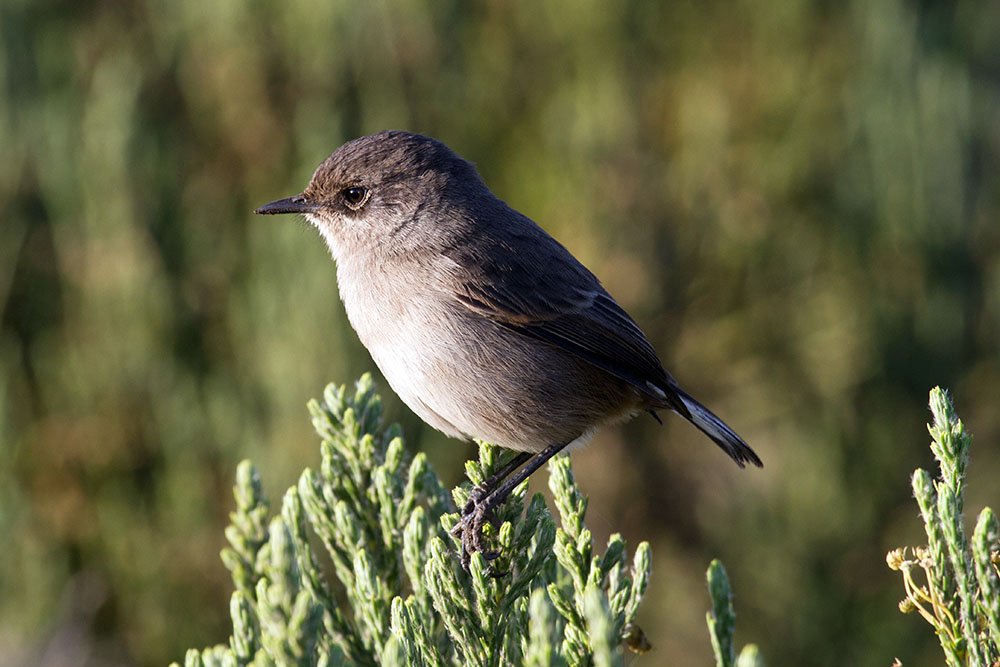
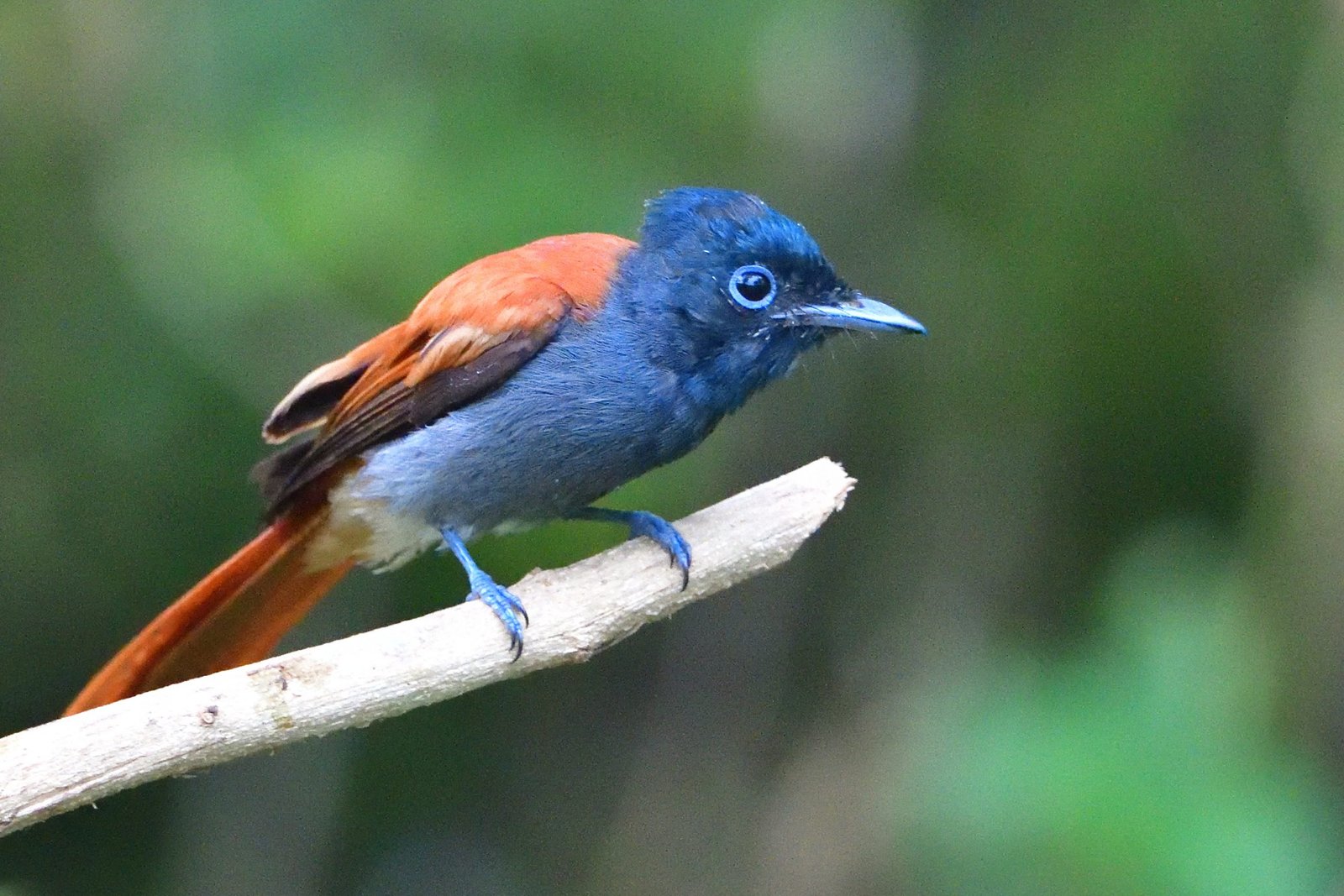
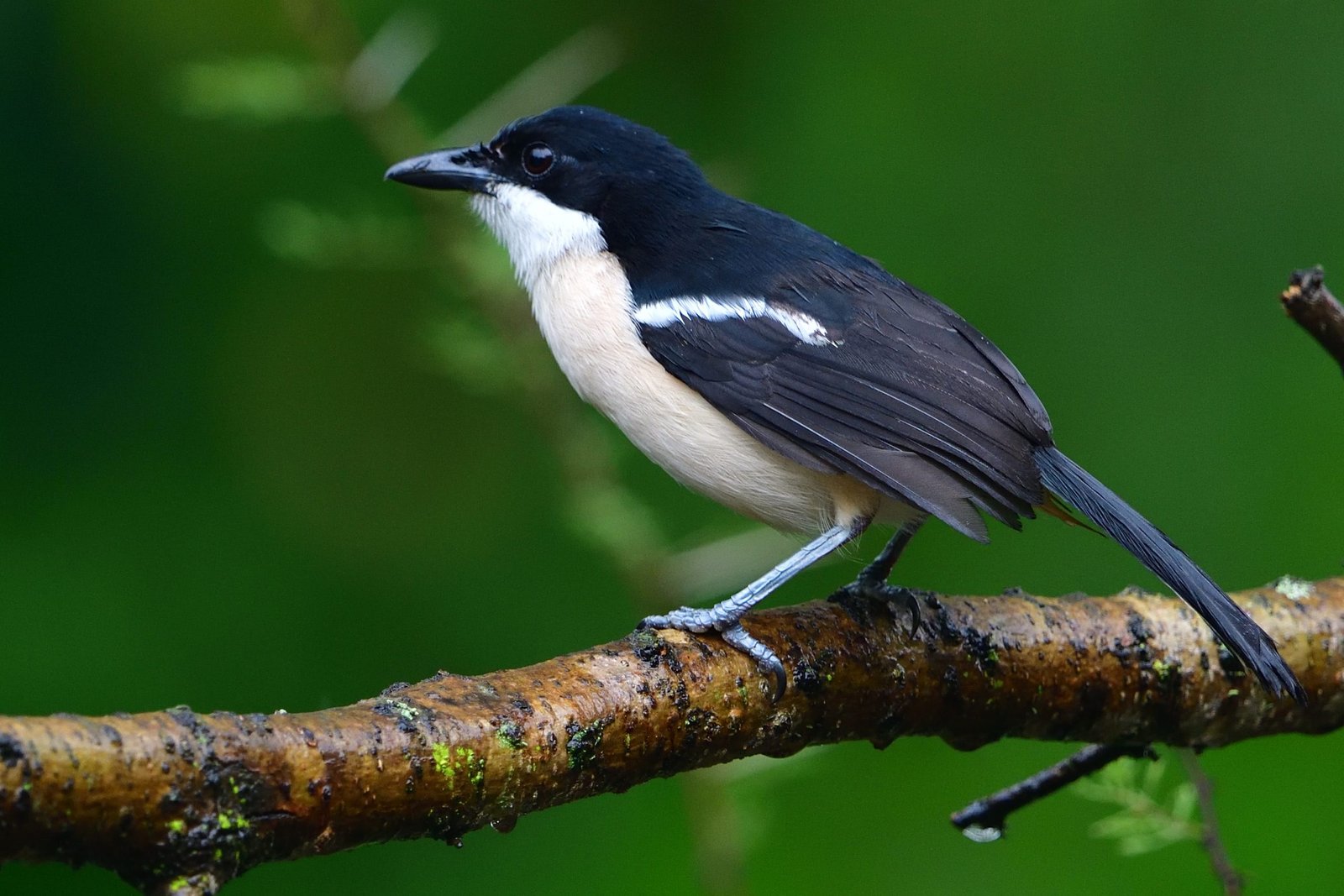
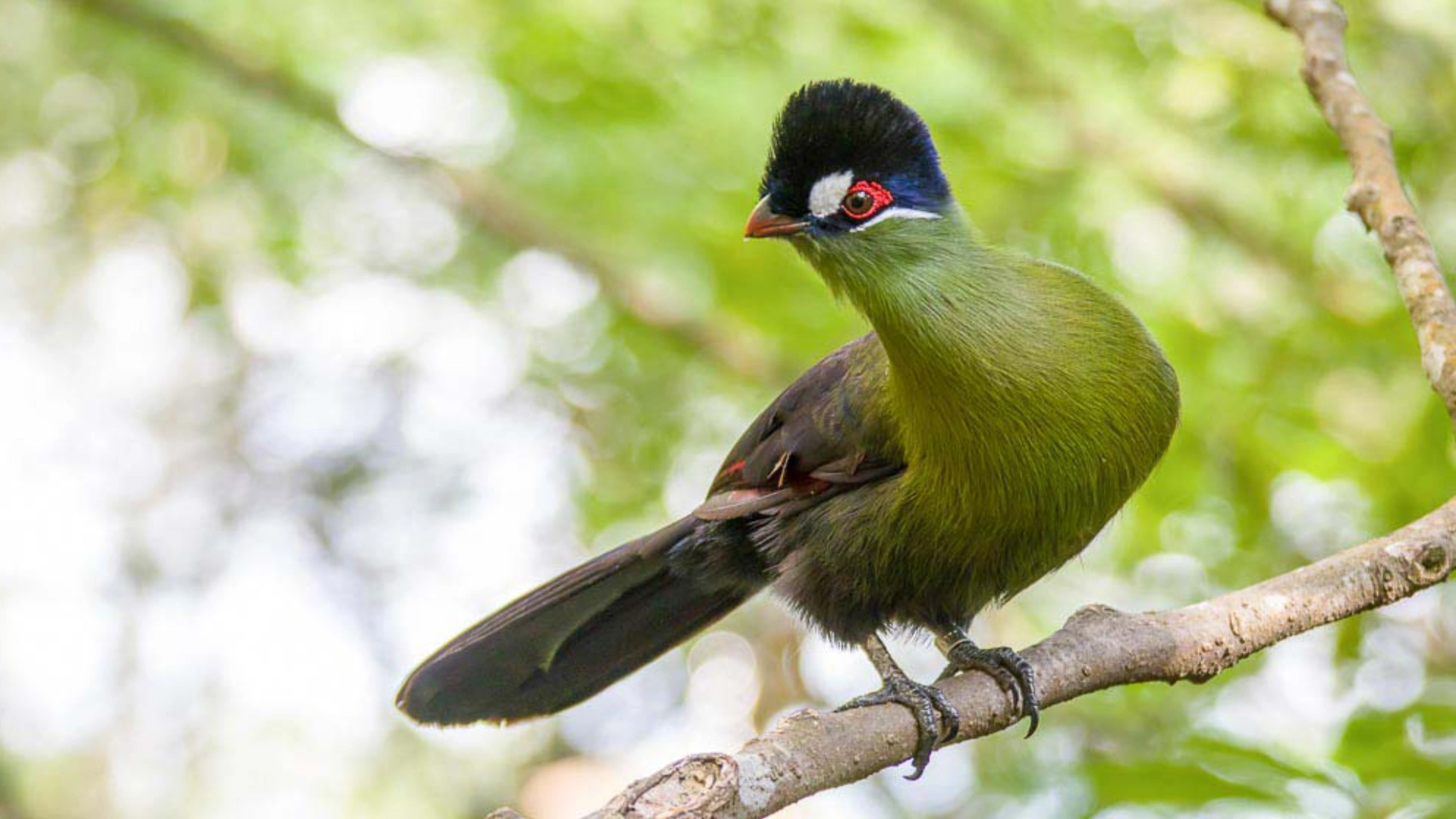
  • Birds: Over 170 bird species have been recorded, including unique raptors and forest birds.

Game drives are not a primary activity within Kilimanjaro National Park itself, as the focus is on climbing and hiking.

The best times to climb Kilimanjaro are during the mountain’s two dry seasons:

  • Mid-December to Mid-March (dry and colder): Generally good weather, but it can be very cold, especially on the summit. Less crowded than the summer peak.
  • June to October (dry and warmer): This is the most popular period, especially July to September. Expect clear skies but more crowds.

Avoid the heavy rainy season (March-May) and the short rains (November), as trails can be muddy, visibility poor, and conditions more challenging.

Entry fees for Kilimanjaro National Park are set by the Tanzania National Parks Authority (TANAPA) and are a significant part of the overall climbing cost. As of July 2025, approximate daily fees (excluding 18% VAT, which is usually added) are:

  • Non-resident Adults (16+ years): Approximately $70 USD per person per day.
  • Non-resident Children (5-15 years): Approximately $20 USD per person per day.
  • Camping/Hut Fees: Additional daily fees for using park accommodation (e.g., about $50-$60 USD for camping, $60-$70 USD for huts on Marangu).
  • Rescue Fee: A mandatory fee (around $20 USD per person per climb).
  • Guide and Porter Fees: These are part of your tour operator’s package, covering their salaries, food, and park fees.

It is crucial to note that the total cost of a Kilimanjaro climb is substantial, including park fees, operator fees (guides, porters, food, equipment), accommodation before/after, and flights. Always confirm the latest official TANAPA tariffs or consult your tour operator for accurate pricing.

  • Marangu Route: Offers basic wooden huts with communal sleeping areas.
  • All Other Routes (Machame, Lemosho, Rongai, Umbwe, Northern Circuit): Require camping. Tour operators provide tents, sleeping bags (often), and all necessary camping gear, and porters carry it.
  • Before/After Climb: A wide range of hotels and lodges are available in nearby towns like Moshi and Arusha.


Packing correctly is vital for a successful and safe climb. Key items include:

  • Layered Clothing: Essential for varying temperatures across climate zones (base layers, fleeces, waterproof outer shells).
  • Warm Sleeping Bag: Rated for sub-zero temperatures.
  • Good Quality Hiking Boots: Broken in and waterproof.
  • Warm Headwear, Gloves, and Mittens: Crucial for summit night.
  • Headlamp: With spare batteries.
  • Water Bottles/Hydration Bladder: Capacity for at least 3 liters.
  • Sun Protection: Hat, sunglasses, high-SPF sunscreen.
  • Personal First-Aid Kit: With any personal medications.
  • Walking Poles: Highly recommended for ascent and descent.
  • Snacks: Energy bars, gels, etc.

Your tour operator will provide a detailed packing list.

Yes, it’s possible to visit Kilimanjaro National Park for shorter hikes or day trips without attempting the summit. Options include:

  • Day Hikes: Trekking for a few hours on the lower slopes, for example, on the Marangu route up to Mandara Hut, or exploring the forest zone.
  • Nature Walks: Enjoying the unique flora and fauna of the lower altitudes.
  • Mawenzi Tarn Trek: A multi-day trek to Mawenzi Tarn Hut (not a summit attempt), offering stunning views.

These shorter trips allow you to experience the park’s beauty and biodiversity without the commitment of a full summit attempt.

Glitzy Safari on Trip Advisor

Here’s what our travelers have to say about their experiences with Glitzy Safaris