Lake Nyasa

Overview

Firstly, Lake Nyasa Tanzania stretches as Africa’s third-largest lake, sharing borders with Malawi and Mozambique. Moreover, this vast body of water sits within the southern arm of the Great Rift Valley, framed by rolling highlands and dramatic escarpments. Indeed, Lake Nyasa remains one of Tanzania’s most underrated destinations, offering a rare blend of adventure, culture, and untouched natural beauty.

A World-Class Destination for Snorkeling

Notably, crystal-clear waters harbor over 1,000 endemic fish species, making this one of the most biodiverse freshwater lakes on Earth. Consequently, Lake Nyasa snorkeling ranks among the finest underwater adventures in East Africa. Additionally, colorful cichlid fish dart through submerged rock formations, drawing snorkelers, divers, and marine enthusiasts eager to explore an ecosystem found nowhere else in the world.

Pristine Beaches and Tranquil Shores

Furthermore, sandy beaches along the Tanzanian shoreline offer pristine relaxation spots for travelers seeking tranquil escapes. As a result, visitors can unwind on quiet stretches of sand largely untouched by mass tourism. Likewise, the lake’s calm, warm waters make swimming and lakeside lounging effortless throughout much of the year.

Authentic Fishing Culture and Village Life

Meanwhile, fishing communities showcase traditional dhow boats and authentic cultural experiences along the shore. Local fishermen continue age-old techniques passed down through generations, casting nets each morning as the sun rises over the water. Therefore, visitors who spend time in these lakeside villages gain genuine insight into daily Tanzanian life far removed from typical tourist routes.

Scenic Beauty Meets Remote Adventure

Also, Lake Nyasa tourism combines aquatic adventures with scenic mountain backdrops in this remote paradise destination. Towering highlands rise dramatically along parts of the shoreline, creating striking contrasts between water, sand, and mountain scenery. Consequently, photographers and nature lovers find endless opportunities to capture this dramatic landscape.

Why Visit Lake Nyasa

Ultimately, Lake Nyasa rewards travelers willing to venture beyond Tanzania’s more popular safari circuits. Here, rare biodiversity, authentic culture, and remote natural beauty come together in a way few destinations can match. Therefore, adventurous travelers seeking an unspoiled freshwater escape will find Lake Nyasa an unforgettable addition to any Tanzania itinerary.


Safari Tours to Lake Nyasa

No data was found

Accommodations in Lake Nyasa

Jambo lodge & camping site

Tanzania,
Lake Manyara National Park

Jambo Lodge sits close to Lake Manyara National Park, making it a convenient overnight stop for travelers moving between Tarangire, Lake Manyara,

Ngorongoro simba public campsite

Tanzania,
Ngorongoro Crater

Simba Public Campsite sits on the southwestern rim of Ngorongoro Crater, only about 2 km from the crater village, making it one

Seronera Public Campsite

Tanzania,
Serengeti National Park

Seronera Public Campsite sits in the Seronera River Valley, right in the heart of Serengeti National Park, an area known for some

Migombani Campsite

Tanzania,
Lake Manyara National Park

For travelers doing a camping safari through northern Tanzania, Migombani Campsite is one of the better-located options near Lake Manyara National Park.

Njiro Legacy Hotel Arusha

Tanzania,
Arusha City

If you’re headed out on safari from Arusha and want a good, budget-friendly spot to spend the night, take a look at

Songa Tented Camp

Tanzania,
Serengeti National Park

Songa Tented Camp Serengeti places you at the heart of the action during the legendary Great Wildebeest Migration. Nestled in the stunning

Safari Haven Serengeti

Tanzania,
Serengeti National Park

Safari Haven Serengeti delivers an authentic safari experience in the heart of the wilderness. Located in Serengeti Central, the camp places you

Mara Serena Safari Lodge

Kenya,
Masai Mara

Mara Serena Safari Lodge sits high on Ol Donyo Oseiya, a bush-covered hill overlooking the wide plains of the Masai Mara. It

Nungwi Dreams by Mantis

Tanzania,
Zanzibar Island

Nungwi Dreams by Mantis is a boutique beachfront resort set on the northern tip of Nungwi. This stretch of coastline is widely

Zebra plains mara camp

Kenya,
Masai Mara

Zebra Plains Mara Camp is a small, boutique luxury tented camp. It sits below the Oldonyo Loip Ridge, facing the open plains

FAQ about Lake Nyasa

Lake Nyasa is the southernmost lake in the East African Rift Valley system. It is shared by three countries: Tanzania (which refers to it as Lake Nyasa), Malawi (where it is known as Lake Malawi), and Mozambique (where it’s called Lago Niassa). On the Tanzanian side, it borders the Mbeya, Njombe, and Ruvuma regions.

Lake Nyasa is a massive body of freshwater:

  • Size: It is the third-largest lake in Africa by surface area (after Lake Victoria and Lake Tanganyika), stretching approximately 550 kilometers (340 miles) in length and up to 75 kilometers (47 miles) in width, covering an area of over 29,500 square kilometers (11,400 sq mi).
  • Depth: It is the third-deepest freshwater lake in the world, reaching depths of up to 706 meters (2,316 ft) in some parts, with an average depth of around 264 meters (866 ft). This extreme depth is due to its location in a deep trough of the Rift Valley.

Lake Nyasa is incredibly unique and is considered a global hotspot for biodiversity, often called an “underwater Galápagos.”

  • Fish Diversity: It is biologically the most diverse lake in the world, home to an estimated 800 to over 1,000 fish species. This includes approximately 30% of the world’s cichlid species, a group of brightly colored fish, many of which are endemic to the lake (found nowhere else). New species are still being discovered regularly.
  • Clear Waters: The lake’s clear waters allow for excellent visibility, making its vibrant underwater world easily observable even from the surface in shallow areas.
  • “Lake of Stars”: David Livingstone famously named it the “Lake of Stars” due to the twinkling lights of fishermen’s lanterns on the lake at night, resembling stars.

The Tanzanian side of Lake Nyasa, particularly around areas like Matema Beach, offers a tranquil and authentic experience:

  • Beach Relaxation & Swimming: Enjoy the serene sandy shores and swim in the clear, warm waters. Matema Beach is known as one of the best swimming spots.
  • Snorkeling & Diving: Explore the incredibly rich underwater world and observe the colorful cichlid fish in their natural habitat.
  • Canoeing/Kayaking: Take a leisurely paddle in a dugout canoe or kayak, experiencing the lake from a local perspective.
  • Hiking: The forested Livingstone Mountains and Nyika Plateau, which rim the lake, offer magnificent views and opportunities for hiking. You’ll need to be self-sufficient for longer treks.
  • Cultural Encounters: Visit local fishing villages, interact with communities like the Nyakyusa and Makonde, learn about their daily lives, traditions, and taste fresh grilled fish.
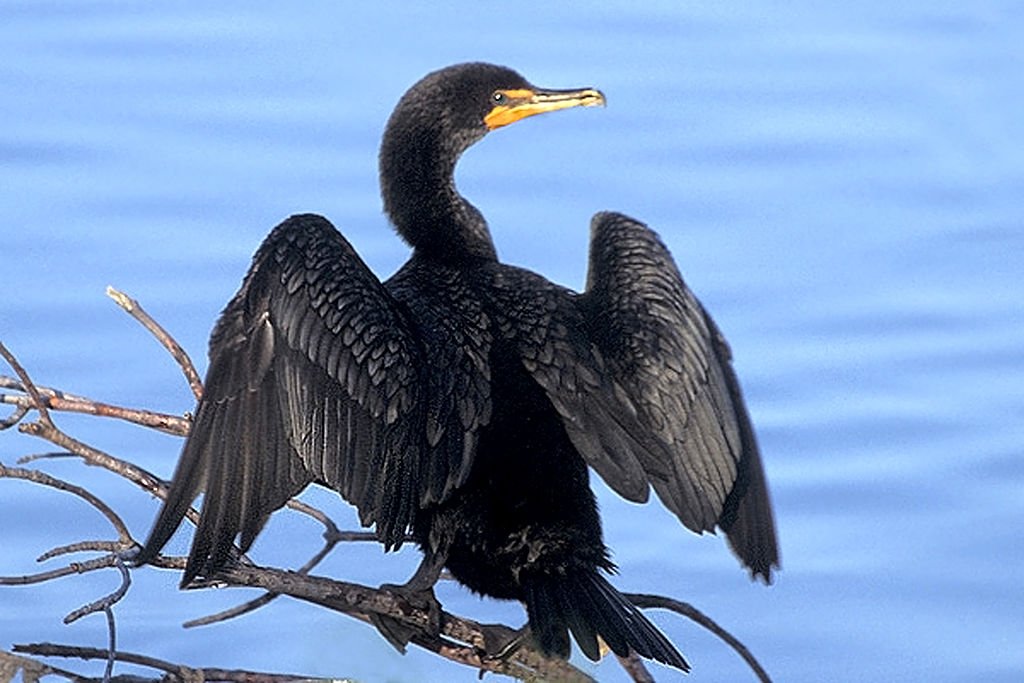
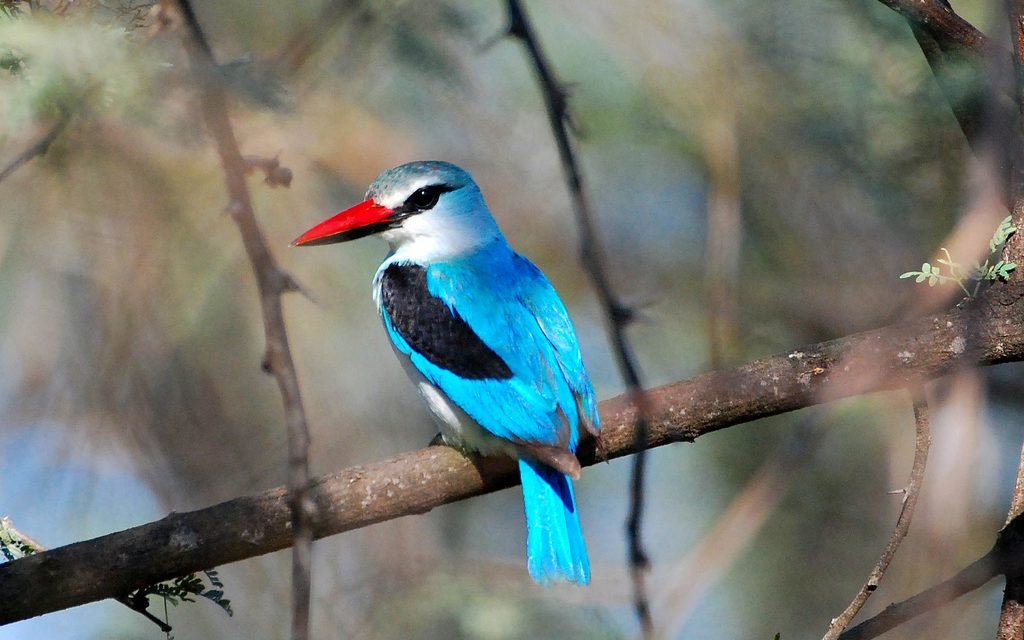
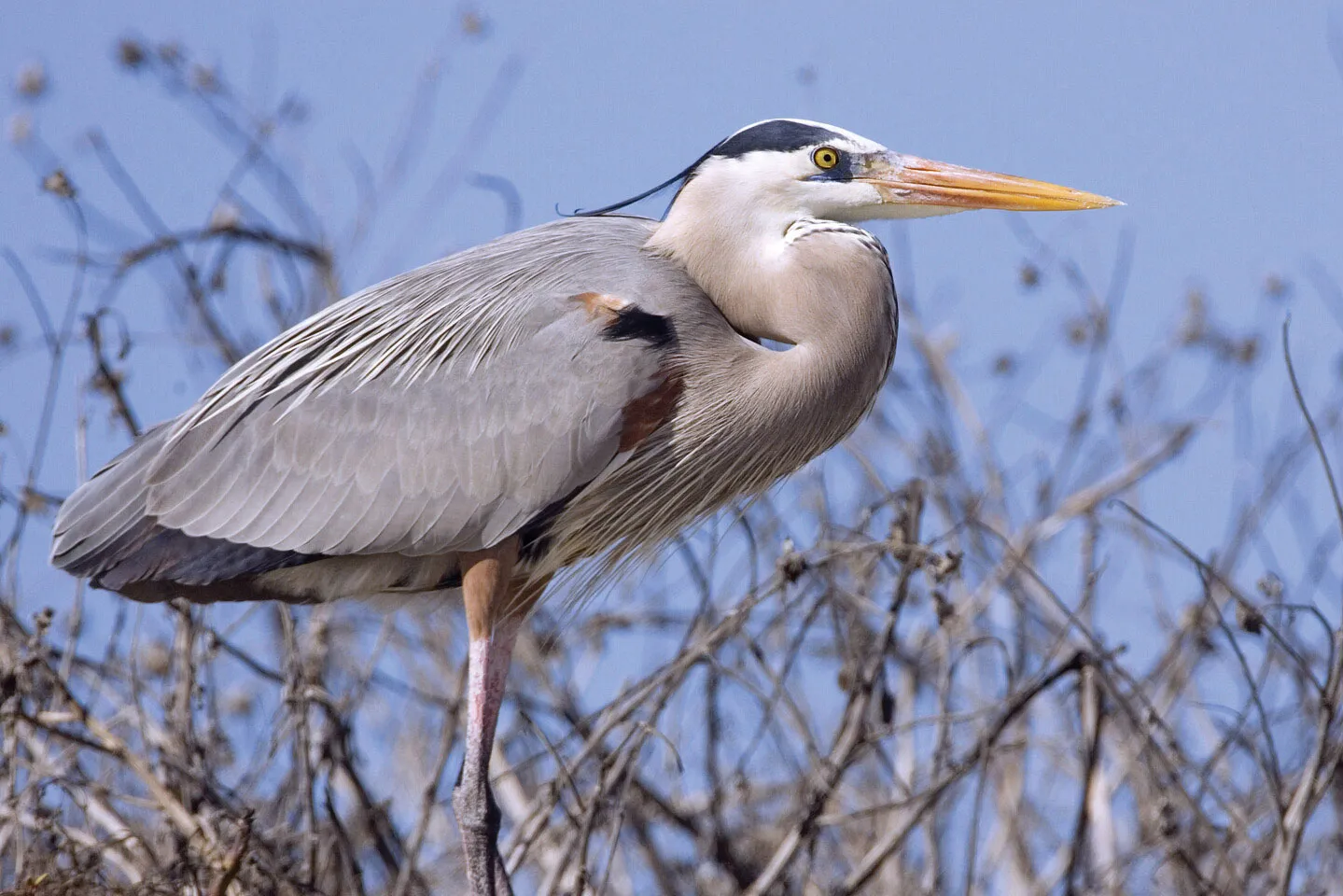
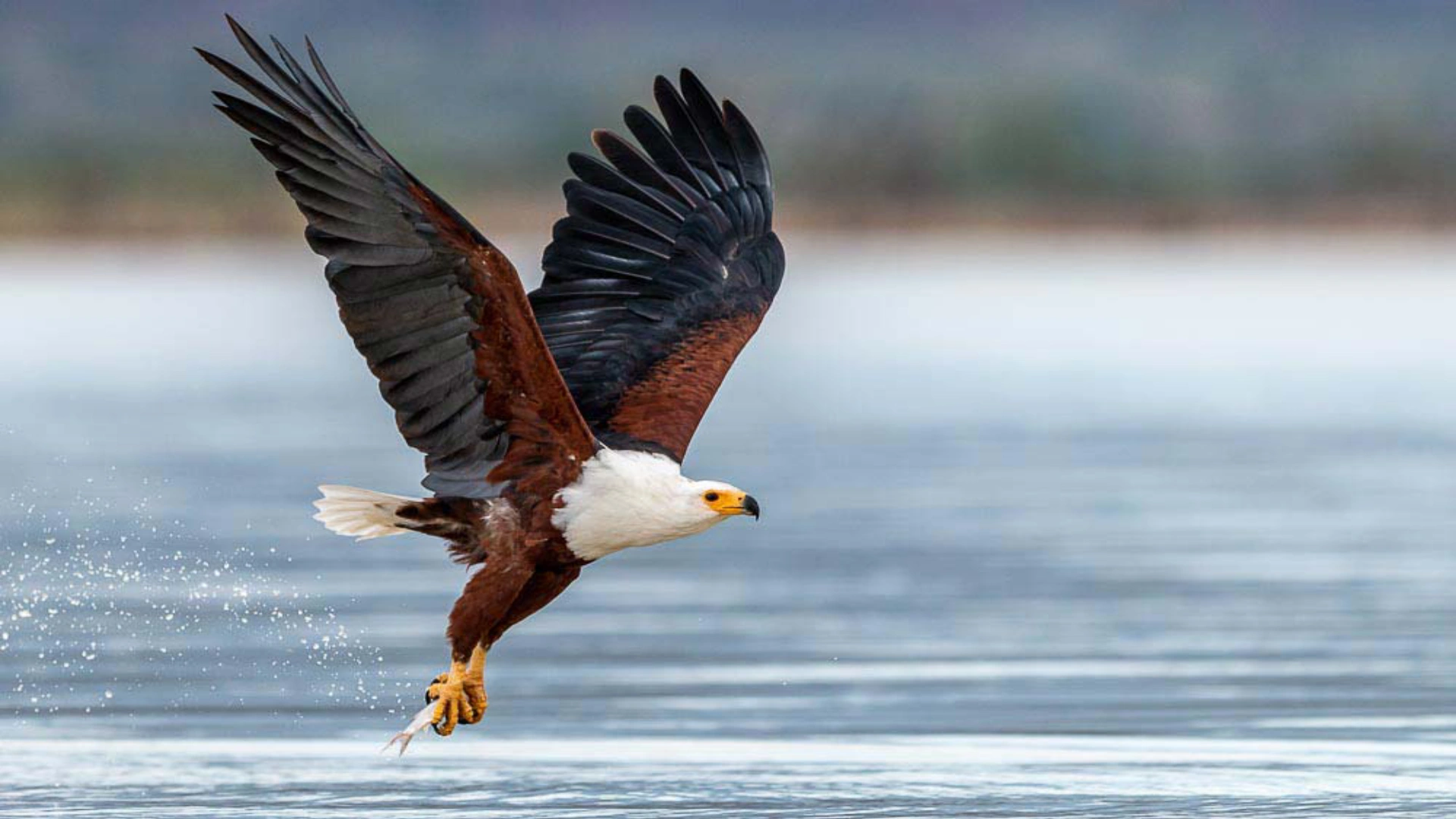
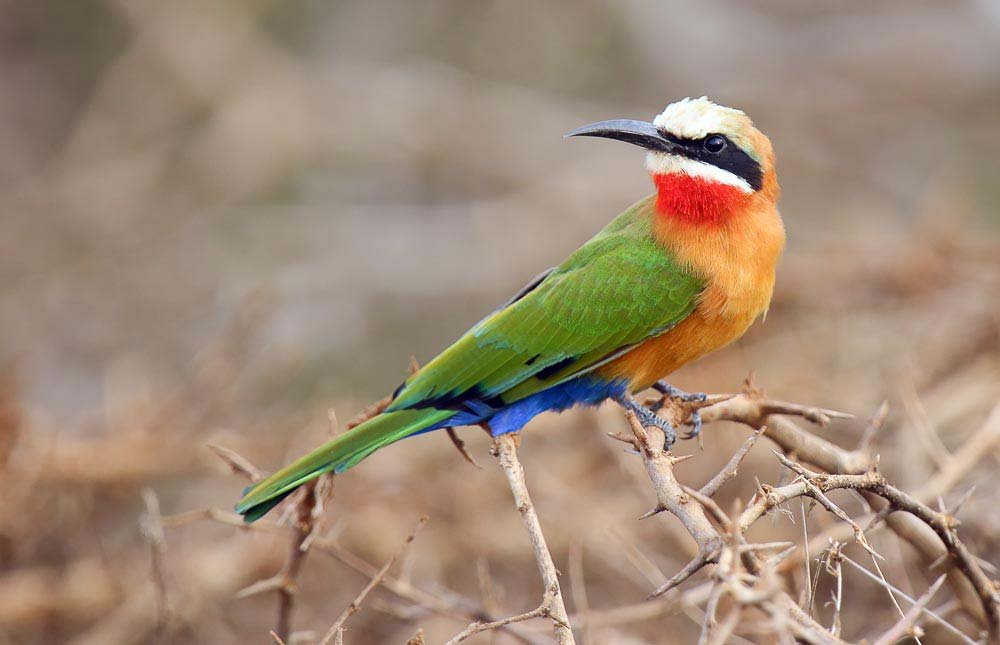
  • Birdwatching: The lake and surrounding areas attract a wide variety of bird species, including kingfishers, cormorants, and fish eagles.
  • Nearby Attractions: Explore attractions like Kaporogwe Falls or visit Kitulo National Park (known as the “Garden of God” for its wild flower displays), which is relatively close.

Generally, the clear waters of Lake Nyasa are inviting for swimming.

  • Bilharzia: It’s often reported that the water of Lake Nyasa is largely bilharzia-free in many areas, unlike some other freshwater lakes in Africa, due to specific ecological conditions that are not conducive to the snails that host the parasite. However, it’s always wise to consult local advice and be aware of any recent changes.
  • Crocodiles & Hippos: While generally rare in popular swimming areas, crocodiles and hippos can be found, especially near river mouths or secluded areas. Always be aware of your surroundings and seek local advice on safe swimming spots.

Despite its beauty, Lake Nyasa faces several environmental threats:

  • Overfishing: The rich fish biodiversity is under pressure from unsustainable fishing practices.
  • Pollution: Industrial, agricultural, and domestic waste from the densely populated basin contribute to water pollution.
  • Invasive Species: While not as severely affected by Water Hyacinth as Lake Victoria, invasive species remain a potential threat.
  • Habitat Degradation & Deforestation: Deforestation on surrounding slopes leads to soil erosion and increased sediment runoff into the lake.
  • Climate Change: Changes in rainfall patterns, increased temperatures, droughts, and floods can impact the lake’s water levels and its delicate ecosystem.

Accessing the Tanzanian side of Lake Nyasa often involves traveling to the southern regions:

  • By Air: The closest major airport is Mbeya (MBY). From Mbeya, you would travel by road to the lake (e.g., Matema Beach).
  • By Road: Buses and private vehicles connect cities like Mbeya and Njombe to towns along the lakeshore, such as Matema, Kyela, Itungi, Mbamba Bay, and Liuli. Roads can be challenging, especially in the rainy season.
  • By Ferry: The Tanzania Shipping Company Limited (TASHICO) operates passenger and cargo ferries (like MV Mbeya II, and soon MV Songea after rehabilitation) on Lake Nyasa, connecting various points on the Tanzanian shore and also serving routes to Malawi and Mozambique. This can be a scenic but slower way to travel.

Accommodation options are generally simpler and more locally run than in major safari hubs or Zanzibar, offering a more authentic experience:

  • Matema Beach: This area has a few guesthouses and resorts, such as Lake Nyasa Resort & Campsite and Palazzo Garden Resort, offering comfortable stays with lake views.
  • Local Guesthouses: In towns like Kyela, Itungi, and Mbamba Bay, you can find basic guesthouses.
  • Camping: Some areas might offer camping facilities for those seeking a more adventurous stay.

Glitzy Safari on Trip Advisor

Here’s what our travelers have to say about their experiences with Glitzy Safaris