Nyerere National Park

Overview

Venture into the pristine wilderness of Nyerere National Park with Glitzy Safaris, Tanzania’s largest and newest national park. Formerly the northern part of the vast Selous Game Reserve, it stands as a remarkable conservation achievement. Moreover, it encompasses an enormous area protecting vital ecosystems. Furthermore, it offers unparalleled safari experiences. Indeed, this differs from busier northern circuit parks significantly. The mighty Rufiji River weaves through the park beautifully. Consequently, it creates a lifeline for countless species. Additionally, it shapes diverse landscapes throughout. Therefore, the sheer scale and pristine nature of Nyerere National Park draw visitors genuinely. Moreover, they seek untouched beauty and abundant wildlife encounters.

Exceptional Wildlife and Rare Species

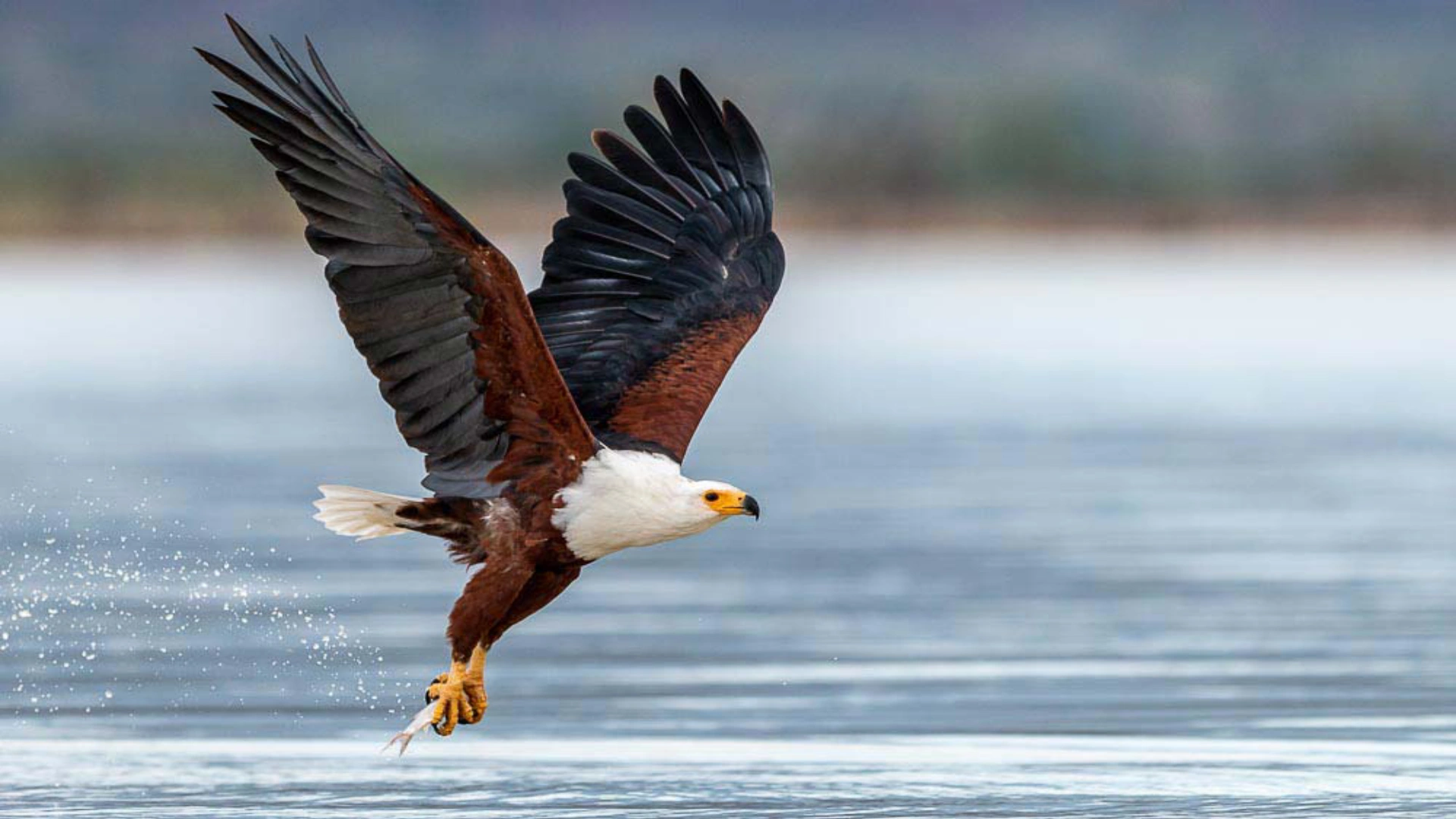
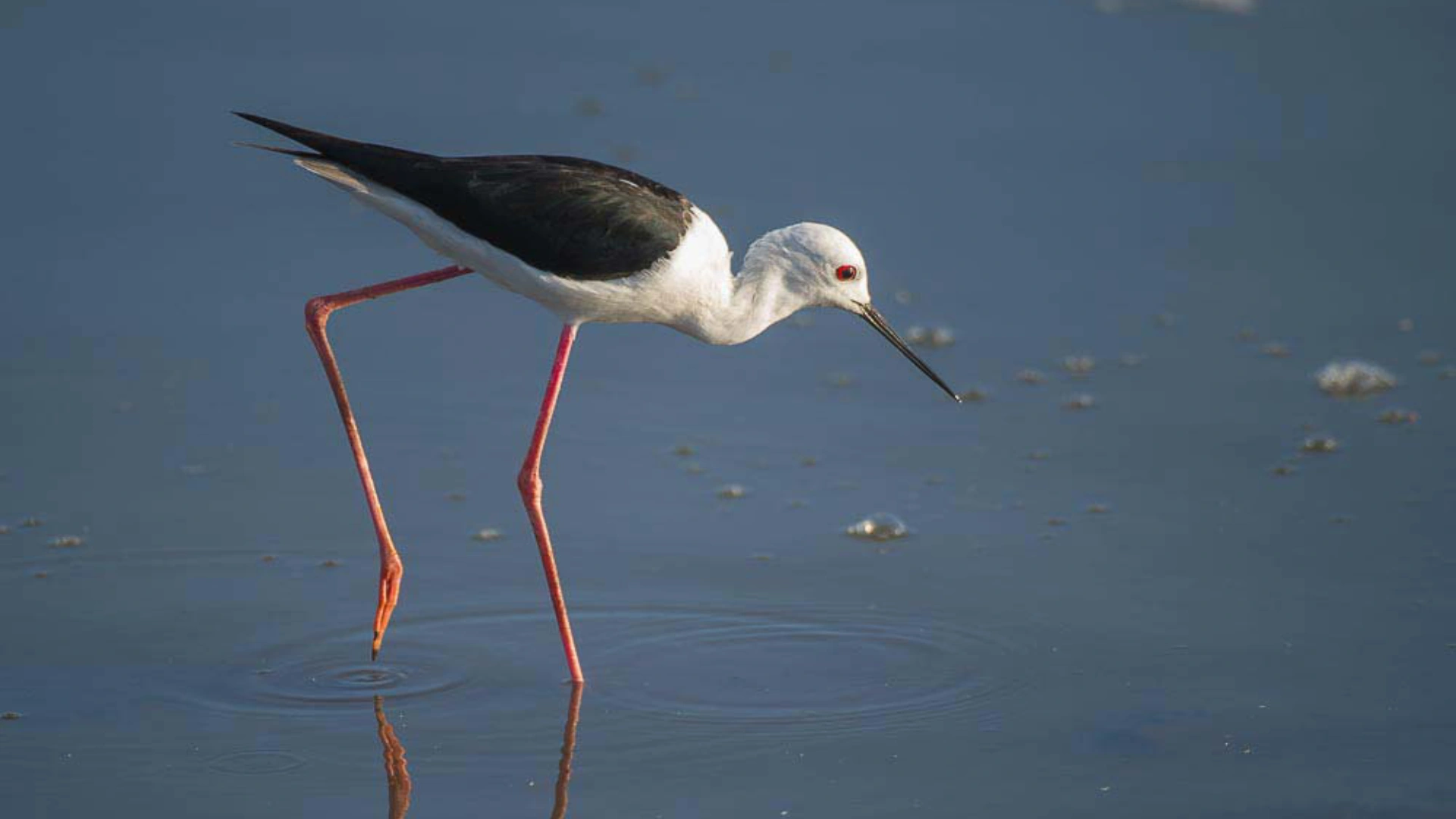
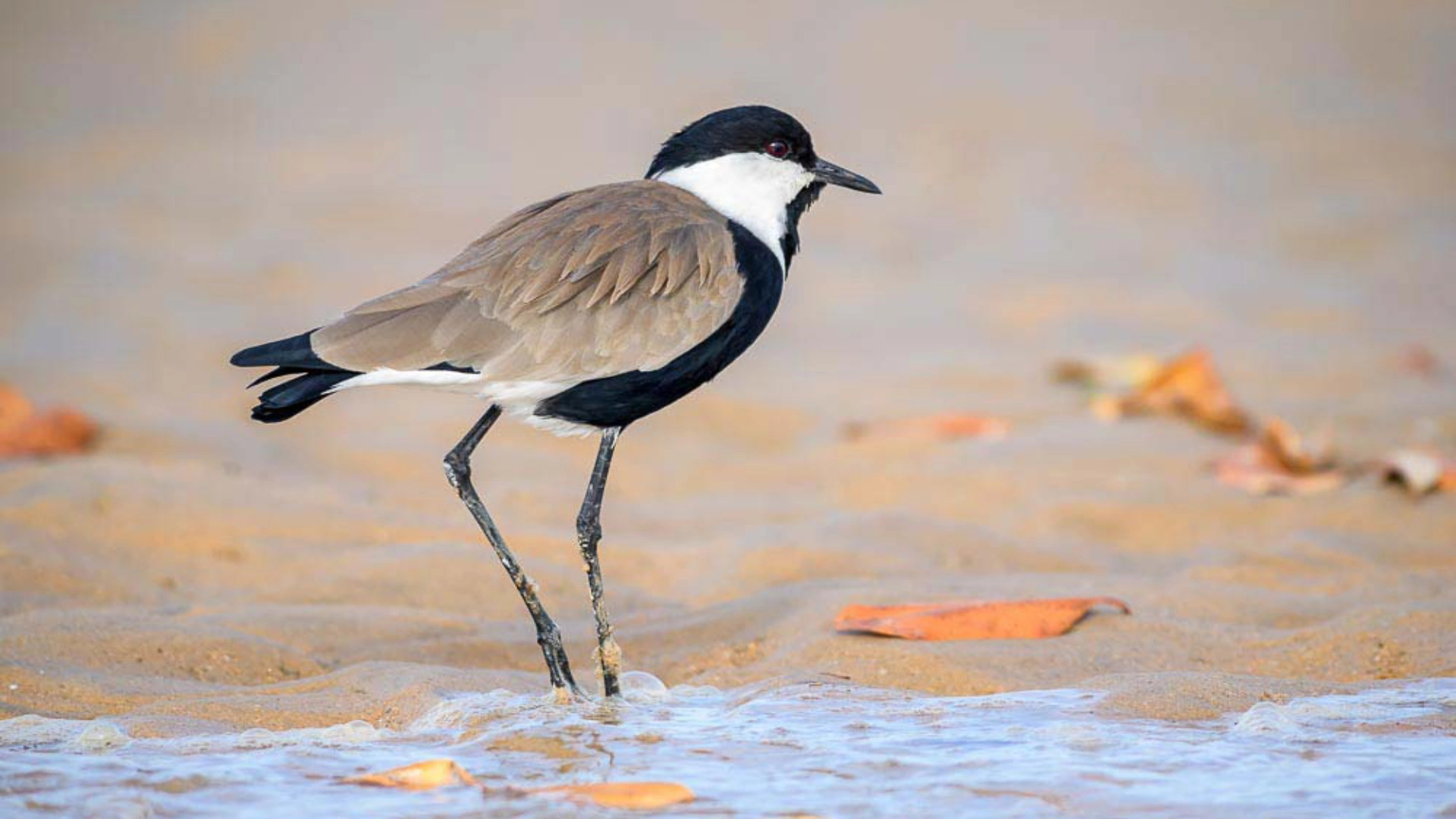
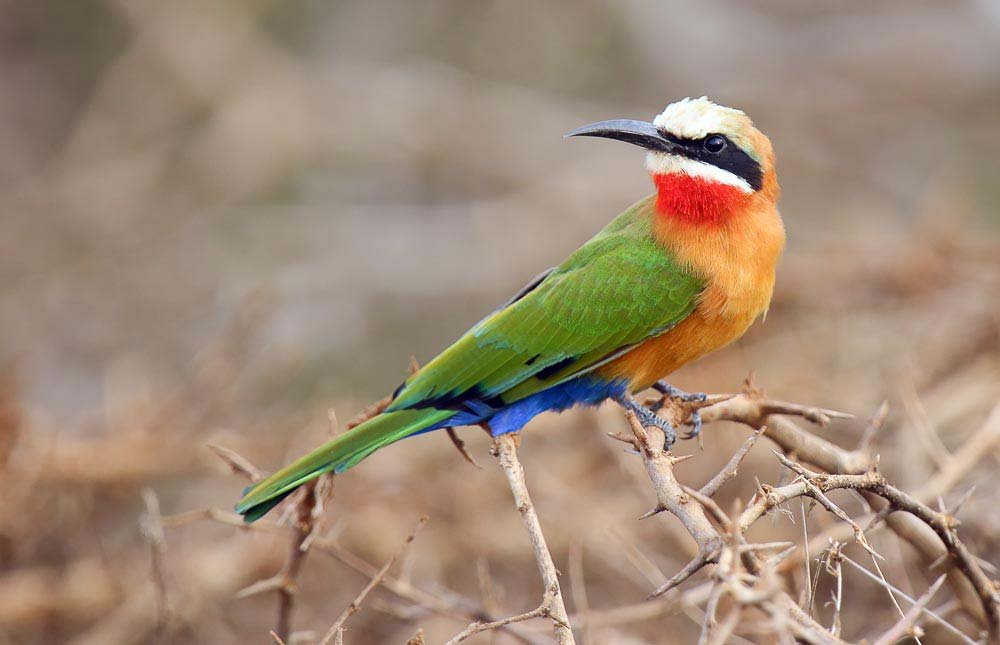
What makes Nyerere National Park so special for wildlife enthusiasts? Primarily, it boasts one of Africa’s largest African wild dog populations. Indeed, this endangered species offers rare and thrilling sightings. Furthermore, vast elephant herds roam its plains extensively. This reflects its heritage as a former Selous Game Reserve stronghold. Moreover, lions, leopards, and cheetahs appear frequently here. Additionally, this makes it excellent for big cat encounters. The Rufiji River itself teems with hippos and massive crocodiles. Furthermore, diverse antelopes thrive throughout. These include sable, Greater Kudu, and Lichtenstein’s hartebeest. Additionally, birdwatching here proves exceptional. Over 440 species thrive in this area. Therefore, Nyerere National Park delivers remarkable biodiversity.

Diverse Adventures and Unique Experiences

A safari in Nyerere National Park offers more than traditional game drives. Indeed, boat safaris on the Rufiji River provide unique perspectives beautifully. Moreover, they allow close water-based wildlife encounters. You observe hippos and crocodiles intimately. Furthermore, these safaris offer superb birdwatching opportunities. Walking safaris, accompanied by armed rangers, immerse you in the bush. Additionally, they reveal smaller ecosystem details beautifully. Furthermore, fly-camping offers incredible opportunities. You sleep under the stars genuinely. This truly connects you with wilderness authenticity. The remoteness and vastness of Nyerere National Park ensure less crowded experiences. Therefore, for adventure seekers, this magnificent park promises unforgettable journeys. Book your Nyerere National Park safari with Glitzy Safaris today and explore Tanzania’s wild southern heart.
Safari Tours to Nyerere National Park

No data was found

Accommodations in Nyerere National Park

Jambo lodge & camping site

Tanzania,
Lake Manyara National Park

Jambo Lodge sits close to Lake Manyara National Park, making it a convenient overnight stop for travelers moving between Tarangire, Lake Manyara,

Ngorongoro simba public campsite

Tanzania,
Ngorongoro Crater

Simba Public Campsite sits on the southwestern rim of Ngorongoro Crater, only about 2 km from the crater village, making it one

Seronera Public Campsite

Tanzania,
Serengeti National Park

Seronera Public Campsite sits in the Seronera River Valley, right in the heart of Serengeti National Park, an area known for some

Migombani Campsite

Tanzania,
Lake Manyara National Park

For travelers doing a camping safari through northern Tanzania, Migombani Campsite is one of the better-located options near Lake Manyara National Park.

Njiro Legacy Hotel Arusha

Tanzania,
Arusha City

If you’re headed out on safari from Arusha and want a good, budget-friendly spot to spend the night, take a look at

Songa Tented Camp

Tanzania,
Serengeti National Park

Songa Tented Camp Serengeti places you at the heart of the action during the legendary Great Wildebeest Migration. Nestled in the stunning

Safari Haven Serengeti

Tanzania,
Serengeti National Park

Safari Haven Serengeti delivers an authentic safari experience in the heart of the wilderness. Located in Serengeti Central, the camp places you

Mara Serena Safari Lodge

Kenya,
Masai Mara

Mara Serena Safari Lodge sits high on Ol Donyo Oseiya, a bush-covered hill overlooking the wide plains of the Masai Mara. It

Nungwi Dreams by Mantis

Tanzania,
Zanzibar Island

Nungwi Dreams by Mantis is a boutique beachfront resort set on the northern tip of Nungwi. This stretch of coastline is widely

Zebra plains mara camp

Kenya,
Masai Mara

Zebra Plains Mara Camp is a small, boutique luxury tented camp. It sits below the Oldonyo Loip Ridge, facing the open plains

FAQ about Nyerere National Park

Nyerere National Park, formerly the northern part of the vast Selous Game Reserve, is Africa’s largest standalone national park and one of the largest protected areas in the world. It was officially designated as Nyerere National Park in 2019, separating it from the remaining Selous Game Reserve to the south. Both offer unparalleled wilderness experiences in Tanzania’s Southern Circuit, known for being less crowded than the northern parks. The entire area (both Nyerere National Park and the Selous Game Reserve) remains a UNESCO World Heritage Site due to its outstanding universal value.

Nyerere National Park was created in 2019 by taking over the northern portion of the historically renowned Selous Game Reserve. This change effectively shifted management of that northern section from the Game Reserve authority to the Tanzania National Parks Authority (TANAPA), meaning it is now administered as a national park. The remaining southern part of the original Selous continues to be known as the Selous Game Reserve. For practical safari purposes, when people refer to a safari in the “Selous,” they are often referring to what is now Nyerere National Park, as this is where most of the tourist lodges and activities are concentrated.

Both Nyerere National Park and the Selous Game Reserve are unique for several reasons:

  • Vastness: Together, they cover an immense wilderness area, providing truly undisturbed ecological processes.
  • Diversity of Activities: Unlike most national parks in Tanzania, both allow for a wider range of safari activities beyond just game drives, including boat safaris and walking safaris.
  • Rufiji River: The mighty Rufiji River system, with its network of lakes, channels, and swamps, is a defining feature, attracting vast numbers of wildlife, especially hippos and crocodiles.
  • Less Crowded: Compared to the Northern Circuit parks (Serengeti, Ngorongoro), they offer a more exclusive and remote safari experience with fewer vehicles.
  • Large Wildlife Populations: They host significant populations of elephants, African wild dogs, lions, and buffalo.

Both the Nyerere National Park and the Selous Game Reserve are teeming with wildlife. You can expect to see:

  • Elephants: They host one of Africa’s largest populations of elephants, although numbers have seen declines in recent years, they are still abundant.
  • Lions: Large prides of lions are common, particularly known for their strength in the Selous.
  • African Wild Dogs: This is one of the best places in Africa to spot the highly endangered African wild dog. Their denning season (June to August) can offer excellent viewing opportunities.
  • Hippos & Crocodiles: The Rufiji River and its many lakes are home to massive populations of these aquatic animals, easily spotted on boat safaris.
  • Other Herbivores: Large herds of buffalo, zebras, wildebeest, impalas, waterbucks, giraffes, elands, and various antelopes like greater kudu and sable antelope.
  • Predators: Leopards and spotted hyenas are also present. Black rhinoceros are present but extremely rare to see due to their critically endangered status.
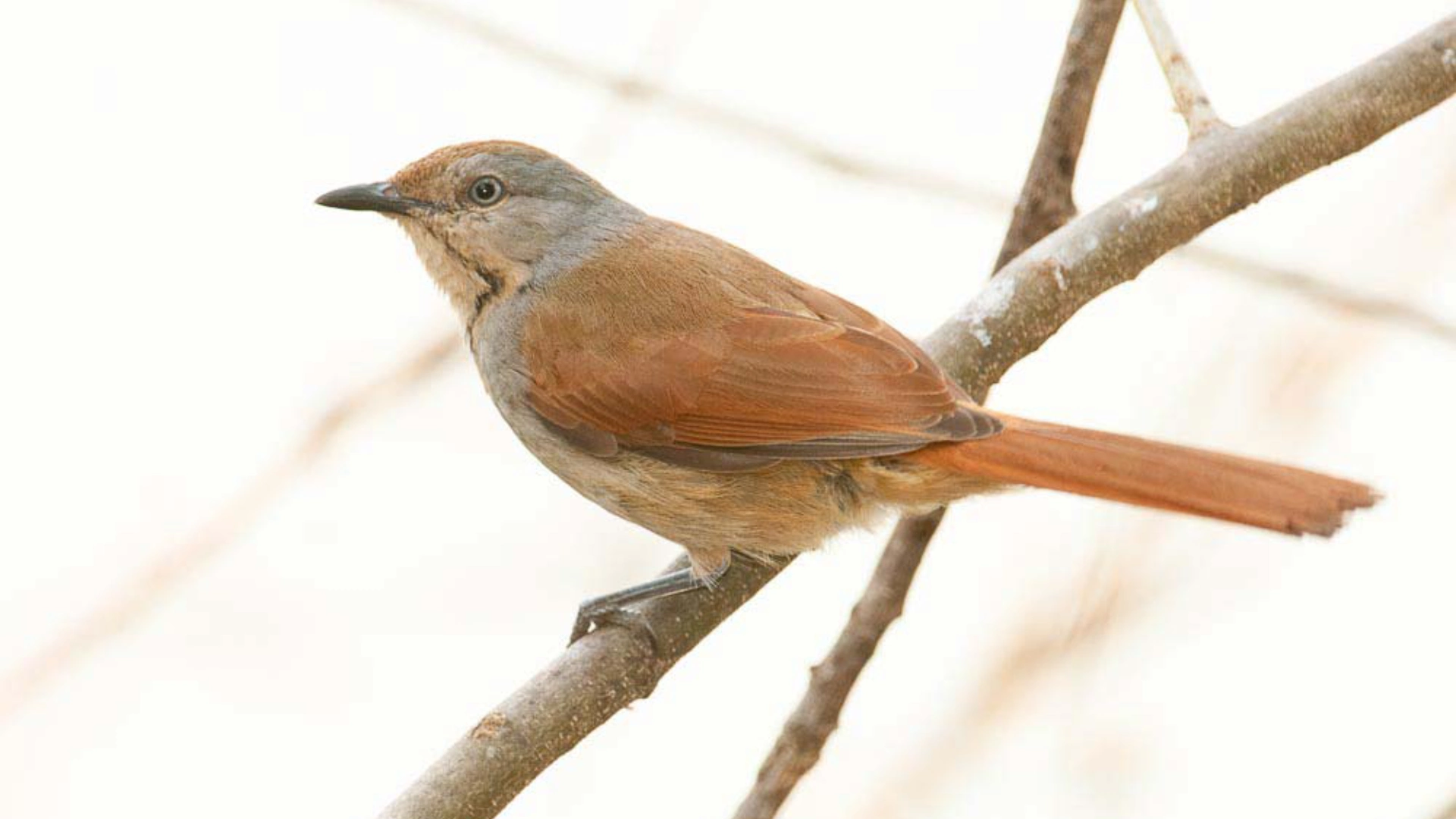
  • Birds: Over 440 species of birds, making it a birdwatcher’s paradise. Look out for unique species like the African skimmer, Pel’s fishing owl, and various water birds.

The best time to visit Nyerere National Park and the Selous Game Reserve is during the dry season, from June to October.

  • Dry Season (June to October): Wildlife congregates around the Rufiji River and its tributaries as other water sources dry up, making game viewing much easier and more concentrated. The vegetation is thinner, improving visibility. This is also ideal for walking and boat safaris. September and October are particularly good for large herds gathering.
  • Wet Season (November to May): The landscapes are lush and green, and there are fewer tourists. This is the best time for birdwatching as migratory birds arrive. However, some roads can become impassable, and certain camps may close during the heavy rains (March to May). The “short rains” are typically November-December, followed by a partial drying out in January-February before the “long rains.”

Accessing both Nyerere National Park and the Selous Game Reserve is primarily by air due to their remote location.

  • By Air: The most convenient way is by scheduled charter flights from Dar es Salaam or Zanzibar. There are several airstrips within Nyerere National Park and the Selous Game Reserve (e.g., Mtemere, Siwandu, Kiba, Jongomero). Flights are typically 45-60 minutes from Dar es Salaam.
  • By Road: It is possible to drive from Dar es Salaam, taking approximately 5-7 hours to reach gates like Mtemere in Nyerere National Park. The roads can be rough, especially during the wet season. This option is often chosen by those combining the safari with other Southern Circuit parks like Mikumi.
  • By Rail: The TAZARA (Tanzania-Zambia Railway) also offers a unique way to access parts of the Selous Game Reserve, with a station at Matambwe. This is an adventurous and scenic option, though less common for typical safari tours.

Both Nyerere National Park and the Selous Game Reserve offer an unparalleled diversity of safari activities:

  • Game Drives: The core safari activity, conducted in open-sided 4×4 vehicles, exploring the vast plains and woodlands to spot wildlife.
  • Boat Safaris: A major highlight! Cruising along the Rufiji River and its lakes offers unique perspectives of hippos, crocodiles, and an incredible array of water birds. It provides a different feel from a traditional land-based safari.
  • Walking Safaris: Accompanied by armed rangers, these guided walks allow for an intimate connection with the bush, focusing on tracking, smaller creatures, and flora. Nyerere National Park is an excellent place for this.
  • Fly Camping: For the adventurous, some camps offer fly camping, an overnight stay in basic mobile camps in remote areas of Nyerere National Park or the Selous Game Reserve, sleeping under the stars.
  • Birdwatching: Both areas are exceptional for birding, with dedicated birdwatching excursions often available.
  • Fishing: Catch-and-release fishing for tiger fish and other species is possible in designated areas of the Rufiji River.
  • Cultural Visits: Opportunities to visit local Maasai or other tribal villages outside the main park boundaries to learn about their way of life.

Entry fees are set by the Tanzania National Parks Authority (TANAPA) for Nyerere National Park and by the Wildlife Division for the Selous Game Reserve. They vary based on nationality (non-resident, resident, East African citizen) and age.

  • Nyerere National Park (current as of July 2025):
    • Non-resident Adults (16+): Approximately $70 USD per person per 24 hours (High Season, July-October) and $60 USD (Low Season, November-June), excluding 18% VAT.
    • Non-resident Children (5-15): Approximately $20 USD per person per 24 hours.
    • Concession Fees: If staying at a lodge inside Nyerere National Park, there’s an additional concession fee (around $60-70 USD per adult per night) excluding VAT.
  • Selous Game Reserve (current as of July 2025):
    • Non-resident Adults (16+): Approximately $83 USD per person per day (inclusive of 18% VAT).
    • Non-resident Children: Approximately $24 USD per person per day (inclusive of 18% VAT).
    • Concession Fees: An additional concession fee of approximately $71 USD per adult per night if staying inside the Selous Game Reserve (inclusive of 18% VAT).

Note: These figures are estimates and can change. It is crucial to always verify the latest fees with TANAPA or your safari operator before your visit to Nyerere National Park or the Selous Game Reserve.

Accommodation options are primarily in the form of high-quality, eco-friendly tented camps and lodges. These range from luxurious, exclusive properties to comfortable mid-range options. Many are situated along the Rufiji River or its lakes, offering stunning views and easy access to boat safaris. Lodges and camps in both Nyerere National Park and the Selous Game Reserve are designed to blend with the natural environment, offering an authentic bush experience while providing comfort and excellent service. You’ll find options for various budgets, with a focus on immersive, intimate safari experiences.

Glitzy Safari on Trip Advisor

Here’s what our travelers have to say about their experiences with Glitzy Safaris