Things to Do in Ol doinyo Lengai
Most people arrive at Oldoinyo Lengai with one goal — summit the volcano and leave. Those people miss the full picture entirely.
Yes, climbing Ol Doinyo Lengai is the centerpiece of any visit to this remote corner of northern Tanzania. But the landscape surrounding Africa’s only active carbonatite volcano offers a collection of experiences that go far beyond the mountain itself. The Ol Doinyo Lengai area sits within one of the most geologically dramatic, culturally rich, and wildlife-diverse regions on the African continent.
If you are planning a trip here, this is every activity, experience, and adventure worth knowing about — ranked, explained, and given to you honestly.
1. The Night Climb of Ol Doinyo Lengai — The Main Event
Everything else on this list is secondary to this. The night climb Oldoinyo Lengai is the defining experience of this destination and one of the most memorable physical achievements available to adventure travelers anywhere in East Africa.
The climb begins at midnight. This is not a choice — it is a survival strategy built around the extreme heat of the Lake Natron basin. By the time sunrise arrives, you want to be at the crater rim, not halfway up the slope in 38°C heat with no shade.
What the night climb actually involves:
The lower slopes start manageable. Your headlamp illuminates a narrow cone of trail ahead of you, the darkness around you total and absolute. The air is cool. The silence is the kind you only find in genuinely remote wilderness. Within the first hour, you understand why people describe this as a meditative experience as much as a physical one.
The upper slopes change the tone. Steep volcanic ash and loose scree replace solid ground. Every step demands concentration. The gradient increases sharply, and this is where most climbers dig into whatever mental reserves they have brought with them. There is no shortcut and no elevator. You climb, or you turn around.
The crater rim at sunrise rewards everything you put in. The Ol Doinyo Lengai volcano crater spreads out below you — hornitos, black lava flows, volcanic formations that belong to no landscape you have ever seen. Lake Natron glows pink to the north. The Great Rift Valley fills the horizon in every direction. The sky belongs entirely to you and whoever made it up alongside you.
This is the Ol Doinyo Lengai experience most people come for. It delivers completely.
Duration: 6–9 hours round trip Difficulty: Challenging — steep gradient, loose terrain, overnight timing Required: Certified local guide, headlamp, trekking poles, layered clothing, ample water
2. Explore the Ol Doinyo Lengai Volcano Crater
For those with the fitness and the curiosity to go further, descending briefly into the crater of the Ol Doinyo Lengai volcano — conditions and guide assessment permitting — is an entirely different level of experience.
The crater floor is unlike anything else in Africa. Natrocarbonatite lava formations — the product of the only carbonatite volcanic system on Earth — create a landscape that looks genuinely extraterrestrial. Small hornitos dot the crater floor. Lava that was black hours ago turns chalky white as it reacts with moisture in the air. The ground beneath your feet is volcanic crust over a system that remains active.
This is not a standard add-on that every guide offers, and it should not be treated casually. Active volcanic terrain requires real expertise to navigate safely. The right guide, the right conditions, and the right preparation make the difference. But for those who do it — the crater of Ol Doinyo Lengai is a memory that does not fade.
3. Lake Natron — Africa’s Most Otherworldly Lake
Fourteen kilometers from the base of Oldoinyo Lengai, Lake Natron is one of the most extreme environments on the African continent and one of the most visually stunning.
The lake is highly alkaline — its waters contain natron and trona deposits that make it toxic to most animals. The surface temperature in shallow areas can exceed 60°C. And yet the lake glows. Deep red and orange pigments from salt-loving microorganisms called haloarchaea color the water in shades that shift from blood red to burnt orange to pink depending on the time of day, cloud cover, and season.
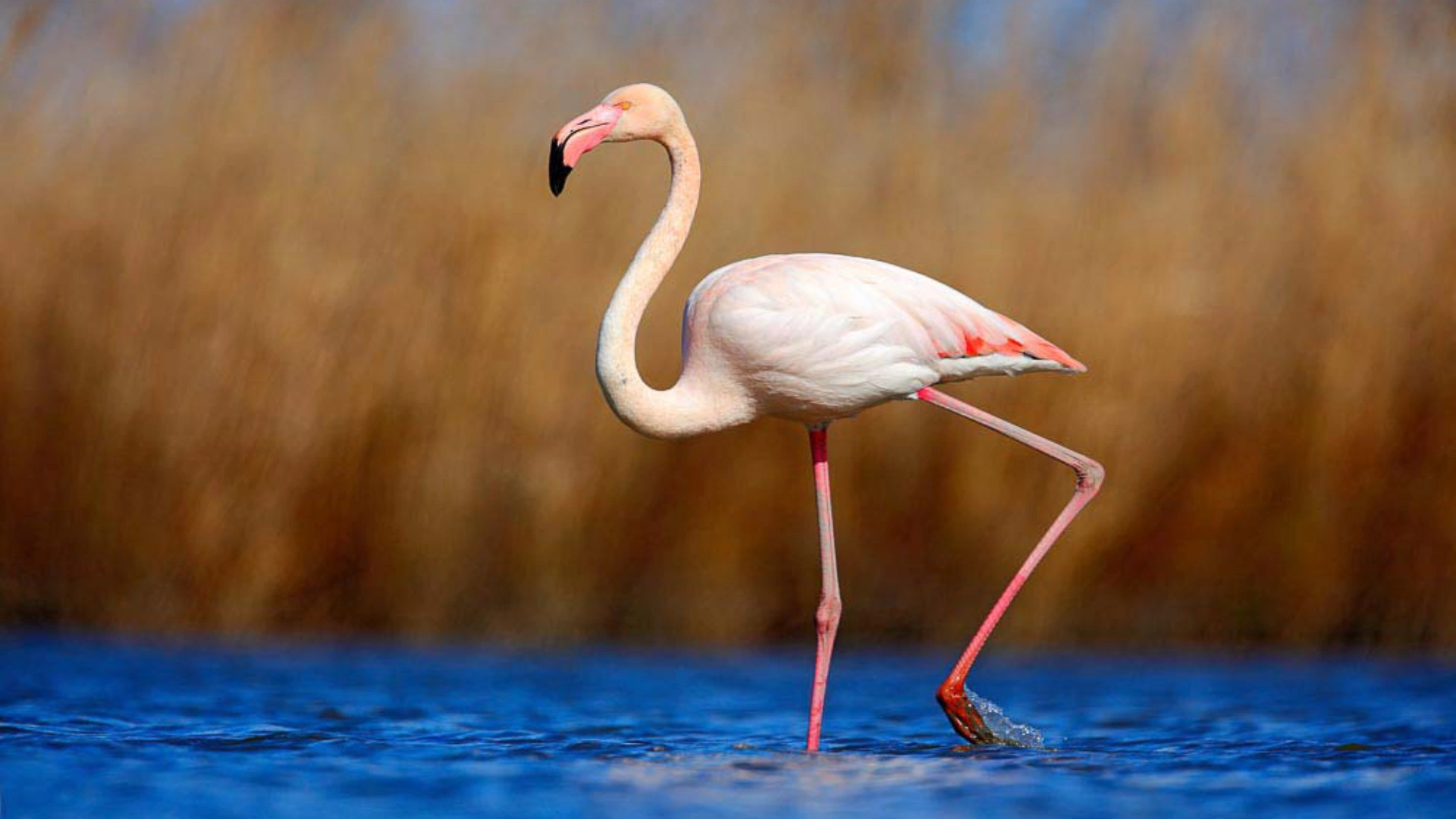
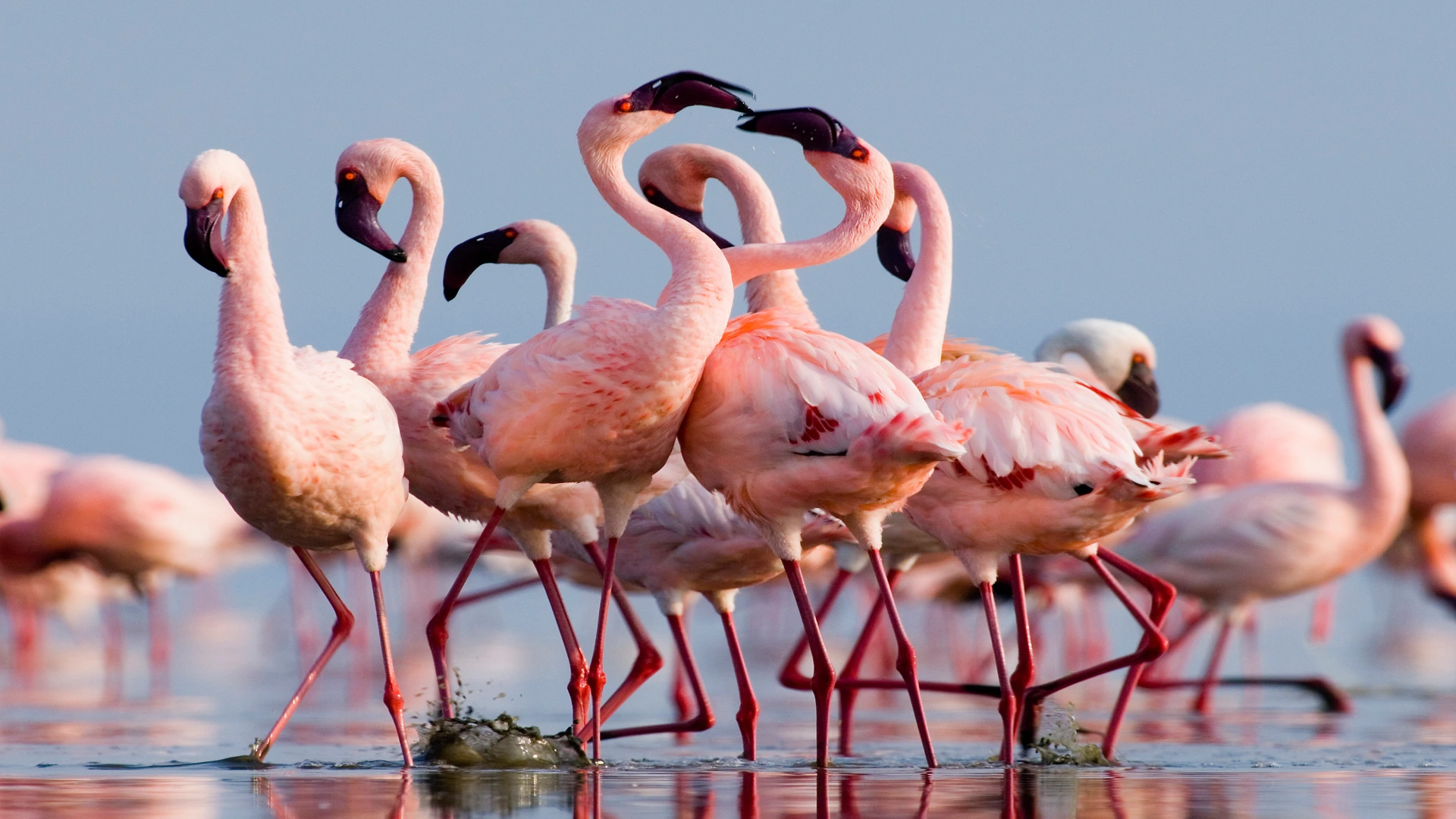
Lake Natron is also the primary breeding ground for East Africa’s lesser flamingo population. Hundreds of thousands of flamingos nest on the lake’s salt flats each year — a spectacle that has no real equivalent anywhere on Earth. Photographing the flamingos against the red-orange lake surface with Mount Oldonyo Lengai rising in the background is an image that requires no editing to look unbelievable.
Activities at Lake Natron specifically include:
Walking along the shoreline at dawn and dusk when the light is extraordinary. Birdwatching — beyond flamingos, the area supports diverse waterbird species. Photography that takes advantage of one of Africa’s most dramatically photogenic landscapes. And simply spending time in a place that most of the world will never see.
4. Engare Sero Waterfall Hike
A short drive from Lake Natron brings you to the Engare Sero waterfall — a genuinely beautiful and surprisingly lush oasis in the middle of one of Tanzania’s harshest landscapes.
The trail to the waterfall passes through gorges cut by ancient water flow into volcanic rock, crossing streams in places and winding through a landscape that contrasts completely with the dry heat of the Lake Natron basin. The waterfall itself — fed by springs from the Ol Doinyo Lengai highlands — drops into a clear pool that, on a post-climb afternoon, feels like a gift from the mountain itself.
This hike is accessible, relatively short, and offers a peaceful counterpoint to the intensity of the Oldoinyo Lengai night climb. Many climbers build a Lake Natron itinerary that includes both — the volcano on night one, the waterfall the following afternoon. It is an excellent one-two combination.
Duration: 2–3 hours round trip Difficulty: Easy to moderate Best for: Post-climb recovery day, families, photographers
5. Maasai Cultural Village Visit
The Maasai communities that live in the shadow of Mount Oldonyo Lengai have an unbroken cultural connection to this volcano that spans generations. For them, this is not a geological feature — it is the home of Engai, their supreme deity. The mountain’s volcanic activity is read as divine communication.
A genuine Maasai cultural visit — organized through a reputable operator who works directly with local communities rather than staging performances for tourists — offers direct access to one of East Africa’s most intact traditional cultures.
What a responsible cultural visit includes:
Learning about the Maasai relationship with Ol Doinyo Lengai specifically — the ceremonies, the prayers, the interpretation of volcanic activity within their belief system. Experiencing traditional Maasai homestead life — the bomas, the livestock management, the social structure that has organized Maasai communities for centuries. Watching traditional songs, jumping ceremonies, and beadwork craftsmanship that carries deep cultural meaning beyond its aesthetic appeal.
This is not a sideshow. For many visitors to the Oldoinyo Lengai area, the Maasai cultural dimension becomes the most meaningful part of the entire trip. The mountain brings you here. The people make you understand why this place matters.
6. Engare Sero Footprint Site — Ancient Human History
Near the shores of Lake Natron lies one of the most significant paleontological discoveries in recent African history — the Engare Sero footprint site.
Preserved in volcanic ash, these fossilized human footprints are estimated to be between 5,000 and 19,000 years old, making them among the largest collection of ancient human footprints ever discovered in Africa. The prints show individuals walking, running, and moving in groups — a snapshot of early human activity in the East African Rift Valley frozen permanently in volcanic material from a landscape that Ol Doinyo Lengai helped create.
For visitors with an interest in archaeology, anthropology, or simply the extraordinary scale of human history in this region, the Engare Sero footprint site adds an entirely different dimension to what the active volcano Tanzania landscape represents. You are not just standing near a living volcano. You are standing in a place where human beings walked thousands of years ago, on ground shaped by the same geological forces still active today.
7. Sunrise Photography at the Summit
If you are a photographer — serious or otherwise — the summit of Ol Doinyo Lengai at sunrise is among the most extraordinary natural light opportunities available anywhere in Africa.
The combination of elements is nearly impossible to replicate elsewhere: active volcanic formations in the foreground, the alkaline shimmer of Lake Natron below, the Great Rift Valley stretching to every horizon, and equatorial sunrise light that shifts from deep orange to gold to white within minutes. The volcanic ash and crater structures create a textured, otherworldly foreground that no other location on the continent offers.
The challenge is that you arrive at the summit after 4 to 6 hours of night climbing — tired, likely cold from the pre-dawn temperature, and managing everything a headlamp and a steep descent home. Bring a camera system you can operate intuitively under those conditions. A complex setup you are unfamiliar with will cost you the shots.
Wide-angle lenses perform brilliantly here — the scale of the view demands them. A 24mm or wider gives you the crater rim, the valley, the sky, and the light in a single frame.
8. Wildlife Viewing in the Surrounding Landscape
The Lake Natron and Oldoinyo Lengai area is not a dedicated wildlife reserve, but the surrounding landscape hosts a genuine array of species that complement the geological and cultural experience.
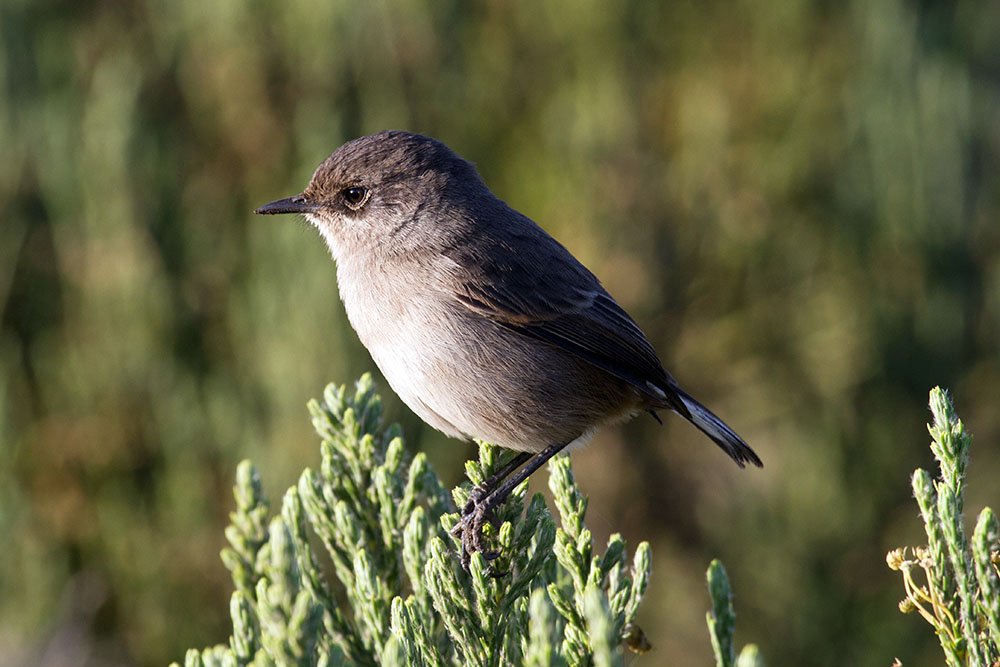
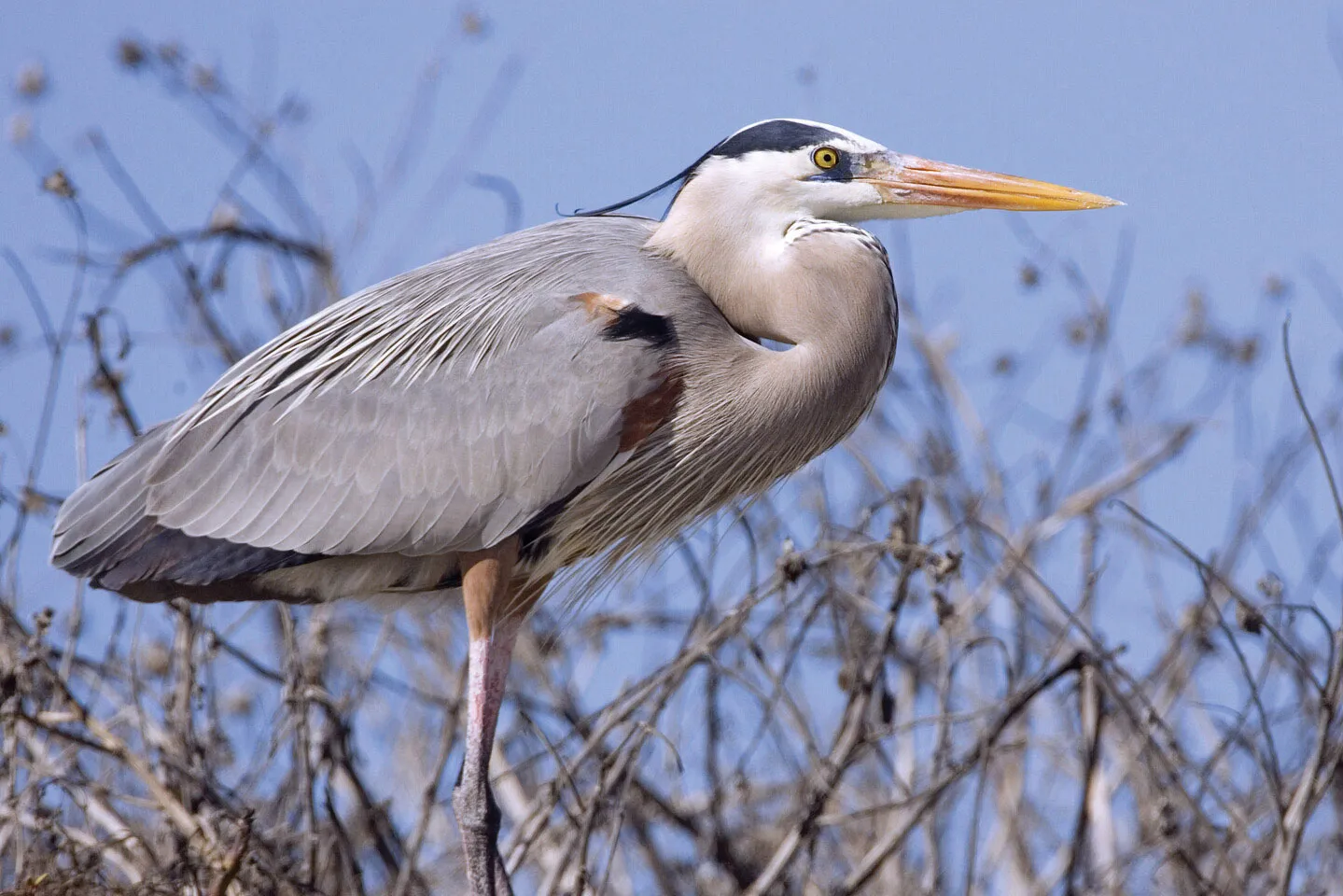
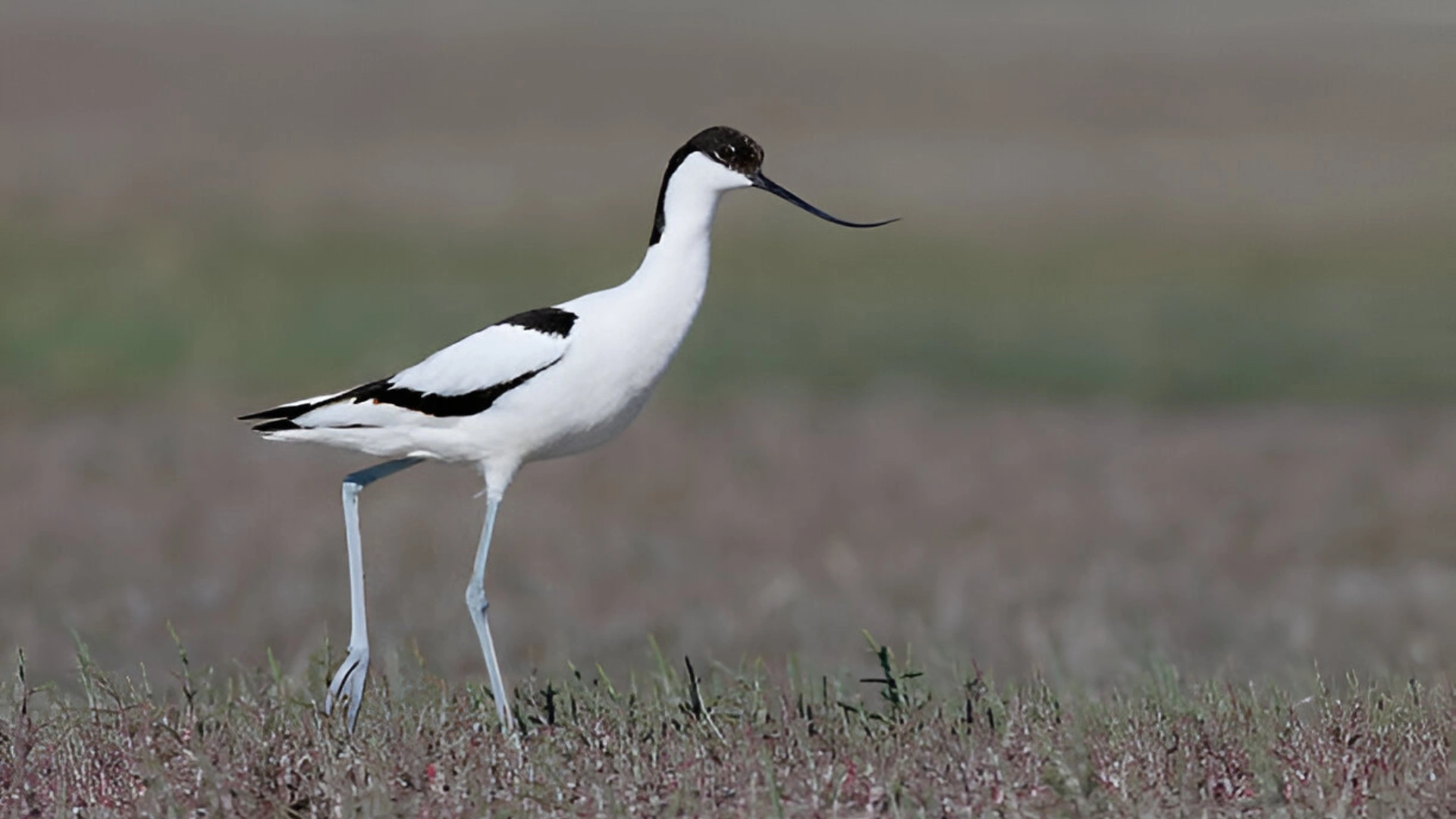
Zebras and wildebeest move through the area seasonally. Olive baboons inhabit the rocky terrain around the volcanic slopes. The birdlife around Lake Natron — beyond the flamingos — includes pelicans, various heron species, and raptors that hunt along the lake shore.
For visitors building a broader northern Tanzania itinerary, the Oldoinyo Lengai area connects naturally with the Serengeti ecosystem to the south and west. A well-designed itinerary can incorporate the volcano, Lake Natron, and a Serengeti safari into a single cohesive northern Tanzania circuit — covering the geological, the cultural, and the wildlife dimensions of one of Africa’s most remarkable regions.
9. Stargazing — Darkness Like You Have Forgotten It Exists
Before the midnight climb begins — and during the ascent itself — the night sky above the Oldoinyo Lengai area offers something increasingly rare in the modern world: genuine, uncompromised darkness.
The Lake Natron basin has no significant artificial light pollution. The Milky Way is visible to the naked eye as a structure, not just a faint suggestion. Star density at altitude on the Ol Doinyo Lengai slopes is disorienting in the best possible way. For climbers with even a casual interest in astronomy, the hours between leaving base camp and reaching the summit combine physical effort with one of the best unobstructed views of the night sky available anywhere in East Africa.
Bring a camera capable of long exposure if this interests you. The shots from the volcanic slopes under a full Milky Way are genuinely worth the technical effort.
How to Plan Your Oldoinyo Lengai Activities Itinerary
A well-designed visit to the Oldoinyo Lengai area needs a minimum of three days to do justice to the main experiences. Here is a practical framework:
Day 1 — Arrive Lake Natron Drive from Arusha (4–5 hours, 4WD essential). Settle into accommodation. Afternoon walk to Lake Natron shoreline for flamingo viewing and photography. Rest and briefing for the night climb. Early dinner and rest before midnight departure.
Day 2 — Night Climb and Recovery Midnight departure for the night climb Oldoinyo Lengai. Summit at sunrise. Descent by mid-morning. Rest for the remainder of the day. Late afternoon Maasai village visit or Engare Sero waterfall walk if energy allows.
Day 3 — Lake Natron, Footprints, and Departure Morning visit to the Engare Sero footprint archaeological site. Lake Natron photography and birdwatching. Afternoon drive back to Arusha.
This three-day framework covers the highest-value experiences without rushing any of them. Extending to four days allows a more relaxed pace and the option to add the crater descent or a longer Maasai cultural engagement.
Book Your Oldoinyo Lengai Experience
Whether the night climb Oldoinyo Lengai is your priority or you are building a full multi-day itinerary around the lake, the volcano, and the culture — we handle all of it.
Our hiking Oldonyo Lengai tours are designed around small groups, expert local guides who know this mountain and this landscape deeply, and logistics that cover every detail from Arusha transport to Lake Natron accommodation to summit permits.
We do not cut corners on guide quality, timing, or safety protocols. This is an active volcano in a remote region of Tanzania. It deserves to be approached properly.