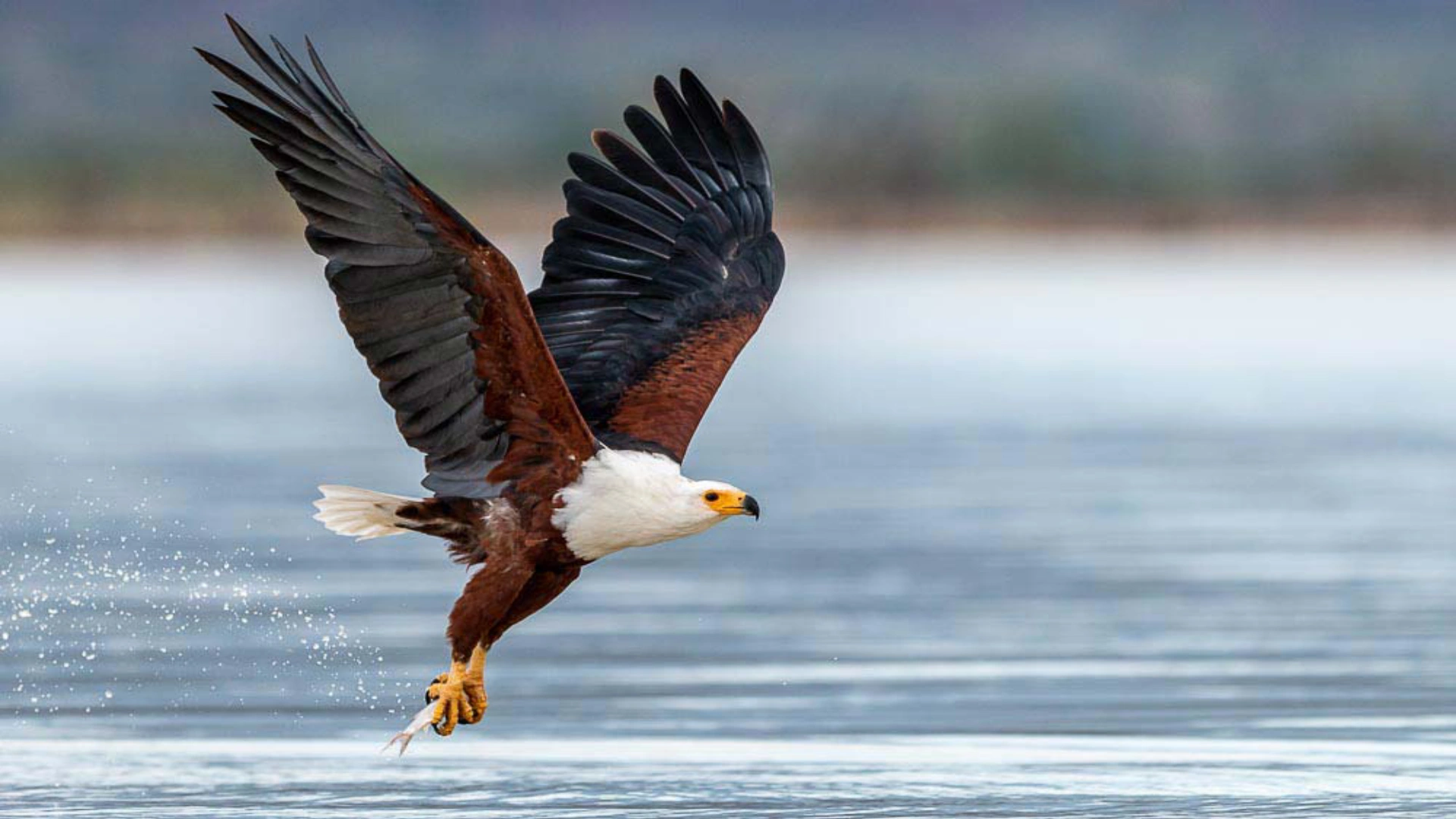
Lake Victoria

Overview

Lake Victoria: Africa’s Great Lake of Culture and Adventure

Firstly, Lake Victoria stands as Africa’s largest lake, spanning three countries: Tanzania, Uganda, and Kenya. Moreover, as the world’s second-largest freshwater lake, Lake Victoria covers a magnificent area of 68,800 square kilometers. Indeed, this vast body of water anchors both daily life and tourism across the East African region.

A Vital Source of Livelihood

Notably, fishing communities thrive along its shores, making fishing a vital economic activity in the region. Consequently, traditional fishing villages remain scattered along the coastline, preserving cultural practices passed down through generations. Additionally, these communities offer travelers genuine insight into daily life shaped entirely by the lake’s rhythms.

Islands Offering Beaches and Culture

Furthermore, tourism also flourishes around Lake Victoria, with islands like Ukerewe and Ssese offering pristine beaches and rich cultural experiences. As a result, island hopping has become a popular way for visitors to experience diverse communities and landscapes within a single trip.

Rich Birdlife and Aquatic Ecosystems

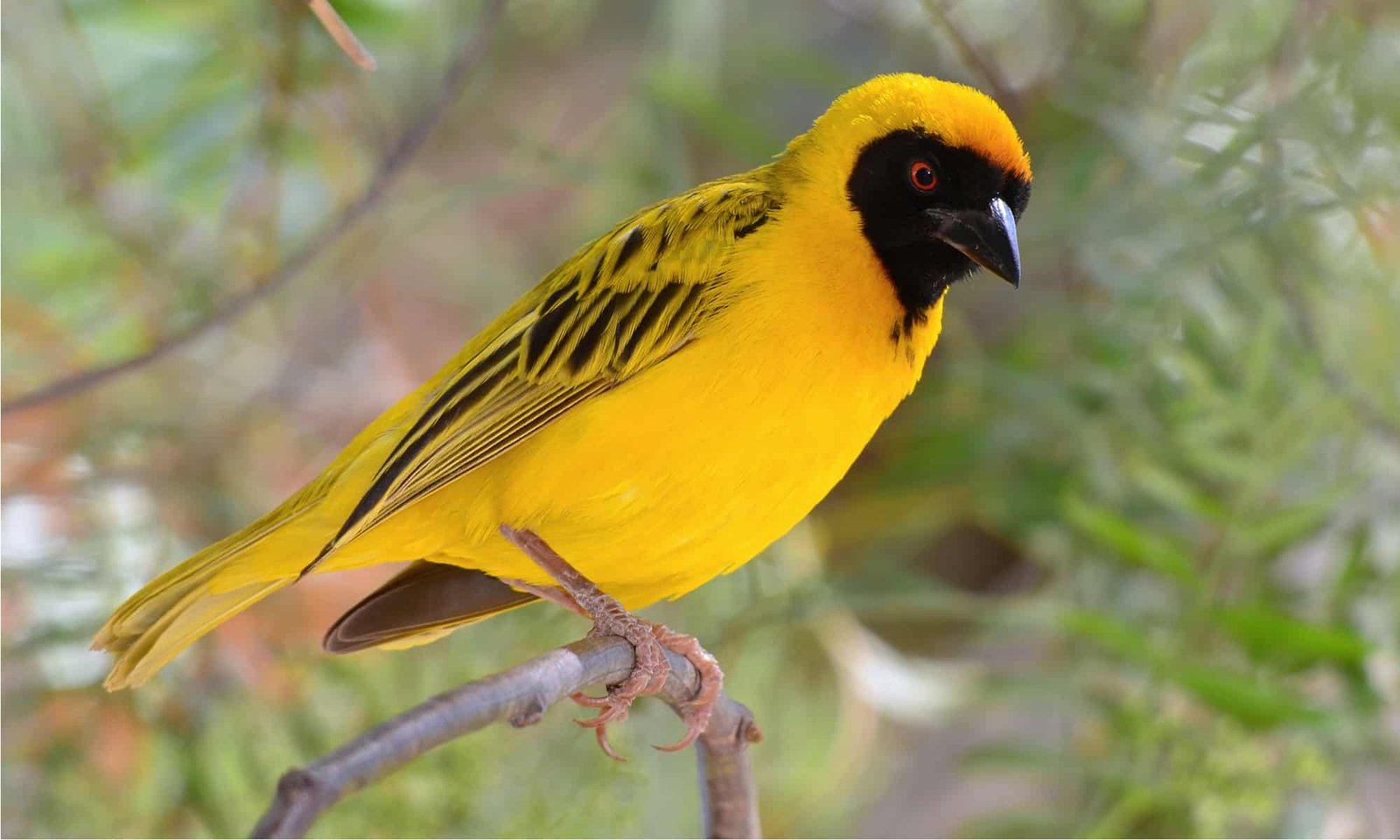
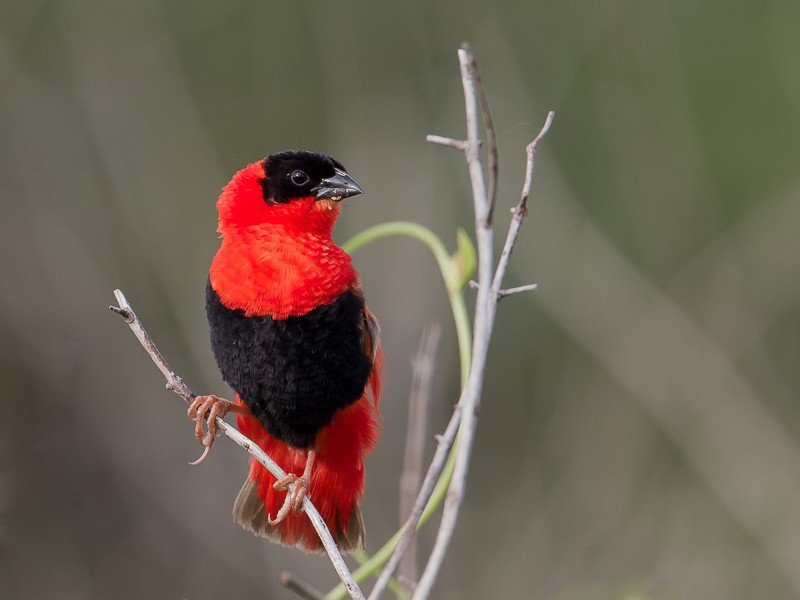
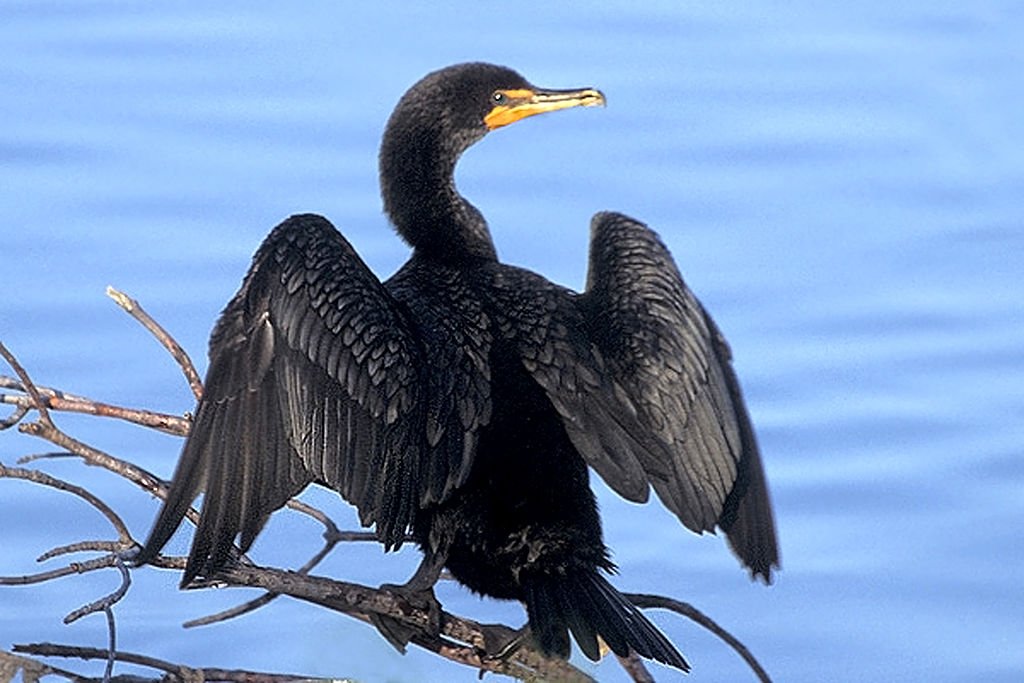
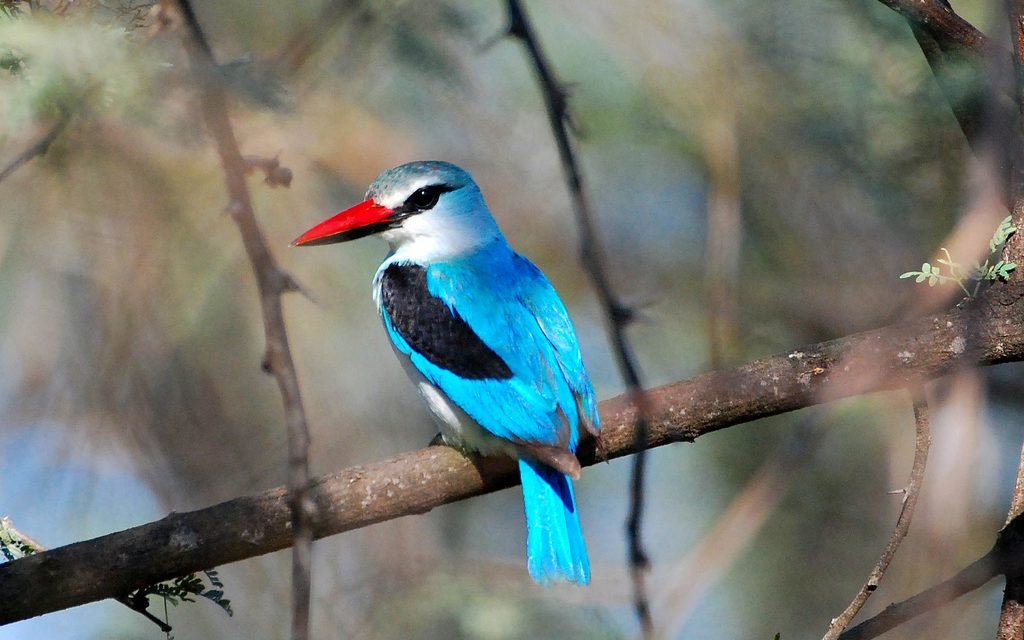
Meanwhile, nature lovers can explore a variety of bird species and rich aquatic life in this gem of the Great Lakes region. Likewise, the lake’s diverse ecosystems support both resident and migratory birds, making it a rewarding destination for birdwatchers and nature photographers alike.

Adventure on the Water

Also, adventure seekers can enjoy boat cruises, sport fishing, and island hopping across the lake’s expansive waters. Therefore, whether seeking relaxation or excitement, travelers find no shortage of activities to fill their itinerary.

Sunsets and Authentic East African Experiences

Ultimately, the shores of Lake Victoria provide stunning sunset views and authentic East African experiences for travelers. Therefore, combining natural beauty, cultural depth, and adventure, Lake Victoria remains one of the region’s most rewarding destinations to explore.


Safari Tours to Lake Victoria

No data was found

Accommodations in Lake Victoria

Jambo lodge & camping site

Tanzania,
Lake Manyara National Park

Jambo Lodge sits close to Lake Manyara National Park, making it a convenient overnight stop for travelers moving between Tarangire, Lake Manyara,

Ngorongoro simba public campsite

Tanzania,
Ngorongoro Crater

Simba Public Campsite sits on the southwestern rim of Ngorongoro Crater, only about 2 km from the crater village, making it one

Seronera Public Campsite

Tanzania,
Serengeti National Park

Seronera Public Campsite sits in the Seronera River Valley, right in the heart of Serengeti National Park, an area known for some

Migombani Campsite

Tanzania,
Lake Manyara National Park

For travelers doing a camping safari through northern Tanzania, Migombani Campsite is one of the better-located options near Lake Manyara National Park.

Njiro Legacy Hotel Arusha

Tanzania,
Arusha City

If you’re headed out on safari from Arusha and want a good, budget-friendly spot to spend the night, take a look at

Songa Tented Camp

Tanzania,
Serengeti National Park

Songa Tented Camp Serengeti places you at the heart of the action during the legendary Great Wildebeest Migration. Nestled in the stunning

Safari Haven Serengeti

Tanzania,
Serengeti National Park

Safari Haven Serengeti delivers an authentic safari experience in the heart of the wilderness. Located in Serengeti Central, the camp places you

Mara Serena Safari Lodge

Kenya,
Masai Mara

Mara Serena Safari Lodge sits high on Ol Donyo Oseiya, a bush-covered hill overlooking the wide plains of the Masai Mara. It

Nungwi Dreams by Mantis

Tanzania,
Zanzibar Island

Nungwi Dreams by Mantis is a boutique beachfront resort set on the northern tip of Nungwi. This stretch of coastline is widely

Zebra plains mara camp

Kenya,
Masai Mara

Zebra Plains Mara Camp is a small, boutique luxury tented camp. It sits below the Oldonyo Loip Ridge, facing the open plains

FAQ about Lake Victoria

Lake Victoria is centrally located in East Africa. It is shared by three countries: Tanzania (which holds 49% of its surface area), Uganda (45%), and Kenya (6%). It’s a key geographical feature within the East African Rift Valley system.

Lake Victoria is immense. With a surface area of approximately 68,800 square kilometers (26,600 sq mi), it is the largest lake in Africa by area, the largest tropical lake in the world, and the world’s second-largest freshwater lake by surface area (after Lake Superior in North America). Despite its vast surface, it’s relatively shallow, with an average depth of around 40 meters (130 ft) and a maximum depth of 84 meters (276 ft).

In Tanzania, the Lake Victoria region offers a blend of cultural experiences, fishing, and some wildlife viewing:

  • Mwanza: Tanzania’s second-largest city and the primary hub on Lake Victoria. It offers city tours, vibrant markets, and serves as a base for exploring nearby islands.
  • Fishing: Experiencing local fishing techniques, especially for the famous Nile Perch, is a popular activity. Many local communities rely on fishing.
  • Island Visits: Explore islands like Ukerewe Island (Tanzania’s largest inland island), which offers cultural insights, cycling tours, and serene landscapes. Rubondo Island National Park is also accessible.
  • Birdwatching: The lake and its surrounding wetlands are home to a diverse array of bird species.
  • Cultural Encounters: Learn about the local tribes, such as the Sukuma people, their traditions, music, and art.

Yes! While not directly on the lake, Rubondo Island National Park is situated in Lake Victoria itself, making it a unique safari destination. It’s home to chimpanzees (introduced species), elephants, giraffes, hippos, and various birdlife. Additionally, Lake Victoria is often a logical stopover or starting point for safaris to the western national parks of Tanzania, such as Gombe Stream National Park and Mahale Mountains National Park (famous for chimpanzee trekking), though these require further travel.

Lake Victoria faces significant environmental challenges:

  • Pollution: Industrial, agricultural, and domestic waste from surrounding urban centers and farming activities lead to high levels of pollution, including nutrient runoff (eutrophication).
  • Overfishing: Unsustainable fishing practices have led to declines in native fish populations, particularly after the introduction of the Nile Perch.
  • Invasive Species: The introduction of the invasive Water Hyacinth has been a major problem, suffocating fishing grounds, blocking waterways, and depleting oxygen, though efforts have been made to control it.
  • Climate Change: Changes in rainfall patterns and increased evaporation due to rising temperatures affect the lake’s water levels and ecosystems.

Lake Victoria is profoundly significant. It is a vital source of:

  • Livelihood: Millions of people in the riparian countries depend on the lake for fishing, agriculture, and water.
  • Transportation: It serves as an important waterway for trade and transport between countries and islands.
  • Freshwater: It’s a crucial source of freshwater for domestic use.
  • Hydropower: The lake’s outflow at Jinja, Uganda, powers significant hydroelectric dams, providing electricity to the region.
  • Ecosystem: It supports a unique and diverse ecosystem, despite the environmental pressures.

The main gateway to the Tanzanian side of Lake Victoria is the city of Mwanza.

  • By Air: Mwanza has a domestic airport (MWZ) with regular flights from Dar es Salaam and other major Tanzanian cities.
  • By Road: It’s accessible by bus or private vehicle from other parts of Tanzania.
  • By Ferry: Ferry services connect Mwanza with various islands on the lake, including Ukerewe, and also with Port Bell (Uganda) and Kisumu (Kenya), though international ferry services can be less reliable for tourists.

Yes, Mwanza and some of the larger islands (like Ukerewe) offer a range of accommodations, from budget guesthouses to mid-range hotels. On Ukerewe Island, you can find local guesthouses. For a more unique experience, Rubondo Island National Park has exclusive safari lodges.

The Nile Perch was intentionally introduced into Lake Victoria in the 1950s and 60s to boost the fishing industry. While it led to a boom in commercial fishing and exports, it also had devastating ecological consequences, preying on and causing the extinction of hundreds of native cichlid fish species. This dramatic change in the lake’s ecosystem is a classic example of the challenges posed by invasive species.

Glitzy Safari on Trip Advisor

Here’s what our travelers have to say about their experiences with Glitzy Safaris