Ngorongoro Crater

Overview

Discover the majesty of Ngorongoro Crater with Glitzy Safaris, a world-renowned safari destination in Tanzania. This unique geological wonder sits within the larger Ngorongoro Conservation Area. Moreover, stunning beauty surrounds every vista. Furthermore, the crater is a massive, unbroken caldera formed millions of years ago. Consequently, this created a self-contained ecosystem beautifully. As a result, the crater floor became a sanctuary for incredible life. Therefore, Ngorongoro Crater stands among Africa’s greatest wonders.

Inside the crater walls, environments support thriving food chains magnificently. Vast grasslands provide abundant food for wildebeest, zebras, and buffalo. Consequently, this supports one of Africa’s densest predator populations. Indeed, the sheer number of Ngorongoro Crater animals astounds visitors. Moreover, it serves as a crucial stronghold for the “Big Five.” These include elephants, Cape buffalo, lions, leopards, and rhinos. Furthermore, the diversity reflects the ecosystem’s remarkable balance. Therefore, wildlife density here proves genuinely exceptional.

Because of this density, safaris here with Glitzy Safaris offer almost guaranteed wildlife sightings. Typically, you see lions roaming freely throughout. Meanwhile, with luck, you spot reclusive leopards. Furthermore, the Ngorongoro Crater ranks among East Africa’s best black rhino locations. These critically endangered animals thrive here uniquely. Beyond large mammals, the landscape itself astounds. For example, Lake Magadi shimmers with thousands of pink flamingos. Meanwhile, hippos cool off in freshwater springs nearby. Subsequently, a typical Ngorongoro Crater safari involves thrilling descents. The 2,000-foot crater walls test your vehicle’s capabilities. Moreover, professional guides navigate these challenging routes expertly.

In addition to wildlife, the area offers rich cultural encounters beautifully. Specifically, the Maasai people live in the region. They graze livestock alongside the animals harmoniously. Moreover, this interaction adds fascinating dimensions. Furthermore, visitors gain insights into traditional lifestyles. As a result, Ngorongoro Crater becomes more than wildlife viewing. When planning your stay, excellent accommodation options await. Luxury lodges and camps sit along the crater rim. Moreover, these spots provide breathtaking views. Furthermore, they enable easy access for early morning game drives. Therefore, comfort and convenience combine seamlessly.

Ultimately, the crater’s constant resources make it year-round. Moreover, its UNESCO World Heritage Site status highlights importance. Furthermore, Glitzy Safaris ensures expert guidance throughout. Therefore, the Ngorongoro Crater remains essential for wildlife enthusiasts. Book your Ngorongoro Crater safari with Glitzy Safaris today and experience one of Africa’s most iconic natural wonders while supporting conservation initiatives that protect this remarkable ecosystem.


Safari Tours to Ngorongoro Crater

7 Days

Serengeti NP, Arusha City, Ngorongoro Crater, Tarangire NP

From $1300

Per person per tour

4 Days

Arusha City, Lake Manyara NP, Ngorongoro Crater, Tarangire NP

From $858

Per person per tour

7 Days

Arusha City, Lake Manyara NP, Ngorongoro Crater, Serengeti NP, Tarangire NP

From $1980

Per person per tour

Accommodations in Ngorongoro Crater

Jambo lodge & camping site

Tanzania,
Lake Manyara National Park

Jambo Lodge sits close to Lake Manyara National Park, making it a convenient overnight stop for travelers moving between Tarangire, Lake Manyara,

Ngorongoro simba public campsite

Tanzania,
Ngorongoro Crater

Simba Public Campsite sits on the southwestern rim of Ngorongoro Crater, only about 2 km from the crater village, making it one

Seronera Public Campsite

Tanzania,
Serengeti National Park

Seronera Public Campsite sits in the Seronera River Valley, right in the heart of Serengeti National Park, an area known for some

Migombani Campsite

Tanzania,
Lake Manyara National Park

For travelers doing a camping safari through northern Tanzania, Migombani Campsite is one of the better-located options near Lake Manyara National Park.

Njiro Legacy Hotel Arusha

Tanzania,
Arusha City

If you’re headed out on safari from Arusha and want a good, budget-friendly spot to spend the night, take a look at

Songa Tented Camp

Tanzania,
Serengeti National Park

Songa Tented Camp Serengeti places you at the heart of the action during the legendary Great Wildebeest Migration. Nestled in the stunning

Safari Haven Serengeti

Tanzania,
Serengeti National Park

Safari Haven Serengeti delivers an authentic safari experience in the heart of the wilderness. Located in Serengeti Central, the camp places you

Mara Serena Safari Lodge

Kenya,
Masai Mara

Mara Serena Safari Lodge sits high on Ol Donyo Oseiya, a bush-covered hill overlooking the wide plains of the Masai Mara. It

Nungwi Dreams by Mantis

Tanzania,
Zanzibar Island

Nungwi Dreams by Mantis is a boutique beachfront resort set on the northern tip of Nungwi. This stretch of coastline is widely

Zebra plains mara camp

Kenya,
Masai Mara

Zebra Plains Mara Camp is a small, boutique luxury tented camp. It sits below the Oldonyo Loip Ridge, facing the open plains

FAQ about Ngorongoro Crater

The Ngorongoro Crater is the world’s largest intact and unfilled volcanic caldera. It’s not just a crater; it’s a natural sanctuary for an incredible concentration of wildlife, effectively forming its own ecosystem. It’s often called “Africa’s Garden of Eden.

It’s believed to have formed about 2.5 to 3 million years ago when a massive volcano’s cone collapsed inward after a huge eruption, leaving behind the enormous, unbroken caldera we see today

Beyond being the largest intact caldera on Earth (that isn’t a lake), it boasts one of the densest populations of large mammals in Africa. This enclosed nature means you’re almost guaranteed to see a wide variety of animals on a game drive. It also offers some of the most reliable sightings of the “Big Five” (elephant, buffalo, rhino, lion, and leopard) in East Africa.

The name “Ngorongoro” is thought to be an onomatopoeic word coined by the Maasai people, describing the “ngor ngor” sound of the bell worn by the lead cow in a herd.

The crater is home to a vast array of wildlife, including:

  • The Big Five: Lions, elephants (though many large bulls, herds are less common), buffalo, leopards, and the critically endangered black rhino.
  • Herbivores: Wildebeest, zebras, elands, gazelles, hippos, waterbucks, impalas, and more.
  • Predators: Hyenas, cheetahs, jackals, and bat-eared foxes.
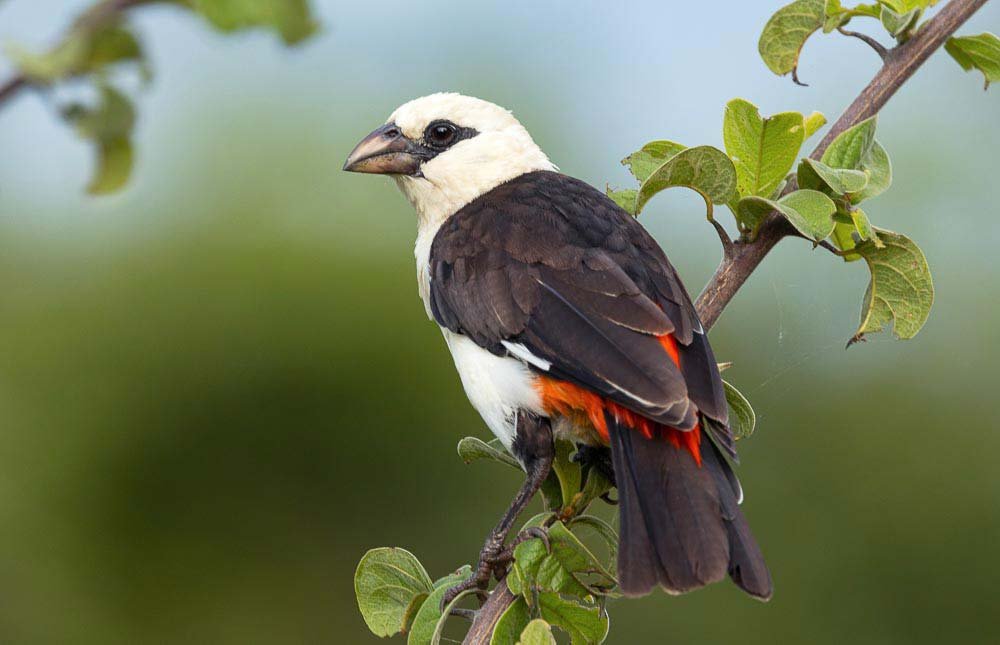
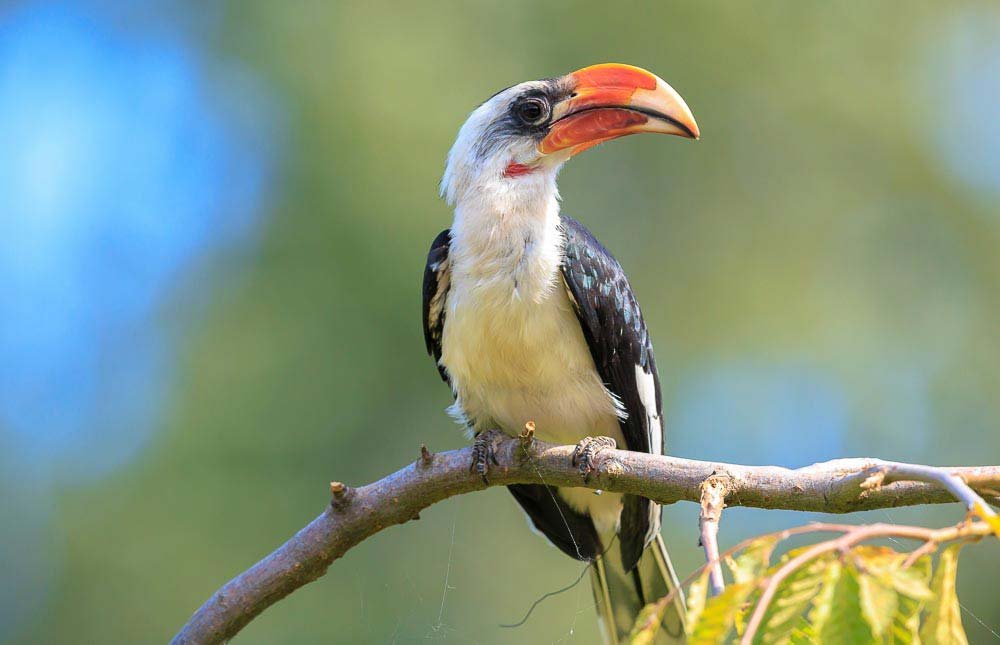
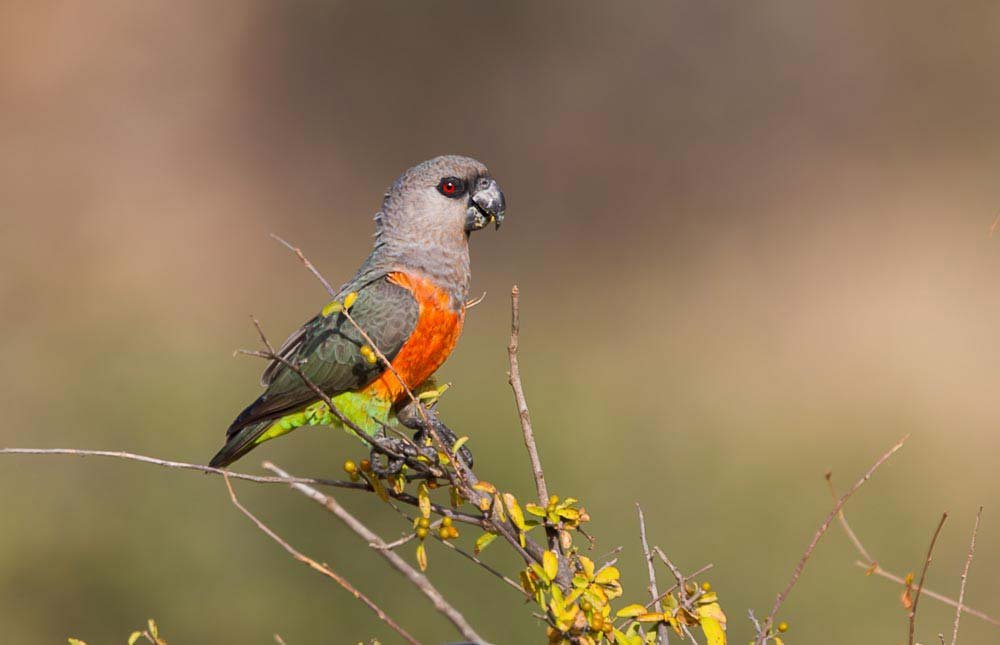
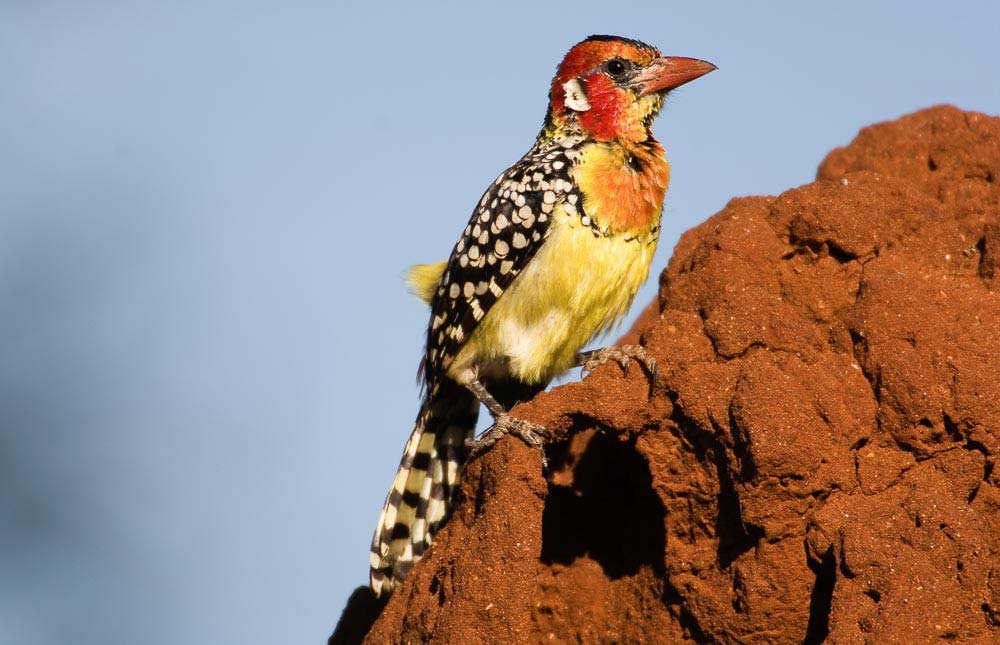
  • Birds: Over 500 species, including flamingos (on Lake Magadi), ostriches, Kori bustards, and many migratory birds. While giraffes are common in the wider Ngorongoro Conservation Area, they are generally not found within the crater itself, presumably due to the steep walls.

The best time depends on your preferences:

  • Dry Season (June to October): Generally considered excellent for wildlife viewing as the grass is shorter, making animals easier to spot, and they congregate around water sources. However, this is also peak tourist season, so expect more crowds.
  • Wet Season (November to May): While roads can be muddy, there are fewer visitors, and the crater transforms into a lush, emerald “Garden of Eden.”
    • Calving Season (January to March): Ideal for seeing newborn animals (wildebeest, zebras, etc.) and observing predator-prey interactions.
    • Birdwatching (November to April): Migratory birds arrive, and resident birds are in their best plumage for breeding.

A minimum of one to two days is recommended to fully explore the crater and maximize your chances of spotting wildlife.

Walking safaris are generally not permitted inside the Ngorongoro Crater due to the presence of large predators. However, walking safaris are often available on the rim of the crater and in other areas of the wider Ngorongoro Conservation Area.

  • By Road: It’s approximately 185 km from Arusha, taking about four hours by vehicle.
  • By Air: Daily flights are available from Arusha to Lake Manyara Airstrip, from where it’s about a 1.5-hour drive to the Ngorongoro Crater. There are no direct flights from Zanzibar to Ngorongoro; you would need to fly to Arusha or Kilimanjaro International Airport first.

Yes, it is generally safe for visitors, but it’s crucial to follow safety precautions and guidelines provided by your tour operator, especially regarding wildlife sightings.

  • Clothing: Lightweight, comfortable clothing, including long-sleeved shirts and pants for sun and insect protection. Warm clothing is recommended for evenings and early mornings as temperatures can be chilly, especially on the crater rim.
  • Equipment: Sturdy hiking boots (if doing walks outside the crater), a hat, sunscreen, insect repellent, binoculars, and a camera.

Entry fees vary based on nationality (East African citizens, expatriates/TZ residents, non-EA citizens) and age. There are also separate fees for vehicle entry and crater service fees for descending into the crater. It’s best to check the latest tariffs from the Ngorongoro Conservation Area Authority (NCAA) or consult your tour operator for current rates, as they can change. Fees are usually paid electronically (credit card) or at a bank, not directly with cash at the gate.

The NCA is a vast protected area with much more to offer than just the crater, including:

  • Olduvai Gorge: An important archaeological site with evidence of early human ancestors.
  • Empakaai Crater: Another volcanic caldera with a beautiful lake, offering opportunities for walking safaris.
  • Olmoti Crater: Another scenic crater in the highlands.
  • Ndutu Plains: Part of the Serengeti ecosystem, known for the wildebeest calving season (December-March).
  • Maasai Cultural Tours: Opportunities to learn about the traditional pastoralist lifestyle of the Maasai people who live within the NCA.

No, off-road driving is generally prohibited to protect the environment and wildlife. Vehicles must stick to designated tracks.

Glitzy Safari on Trip Advisor

Here’s what our travelers have to say about their experiences with Glitzy Safaris