Tarangire National Park

Overview

Discover the wonders of Tarangire National Park with Glitzy Safaris, a premier safari destination in northern Tanzania. This remarkable park stands out for its immense elephant population. Moreover, iconic baobab trees dot the landscape magnificently. Furthermore, it offers genuinely unforgettable wildlife experiences. Covering approximately 2,850 square kilometers, Tarangire National Park derives its name from the permanent Tarangire River. This river serves as a vital water source. Consequently, countless animals depend on it seasonally. Therefore, the park’s diverse landscapes make it a must-visit treasure.

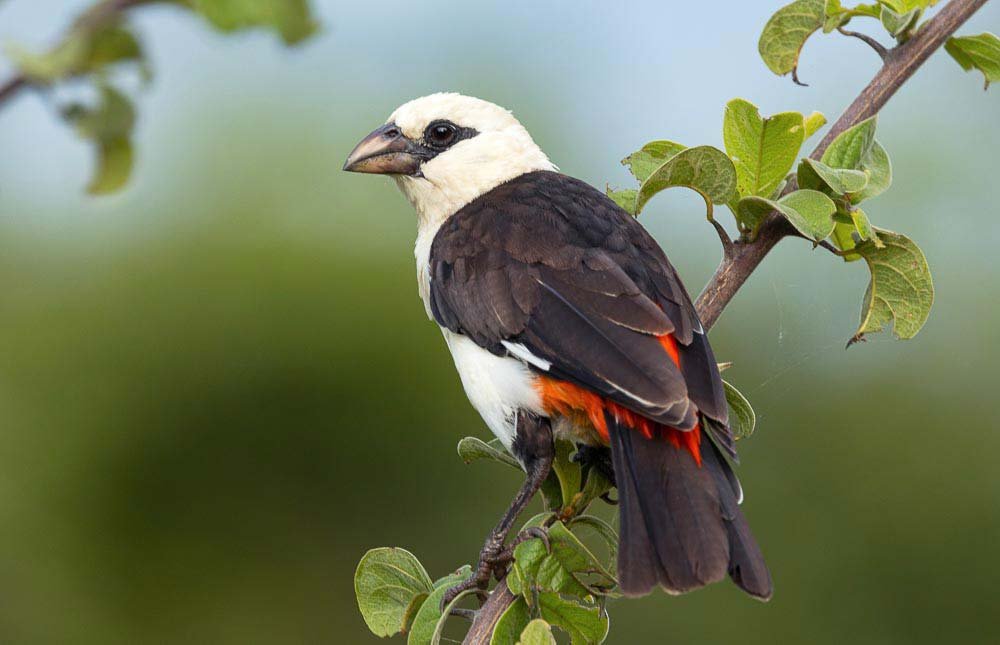
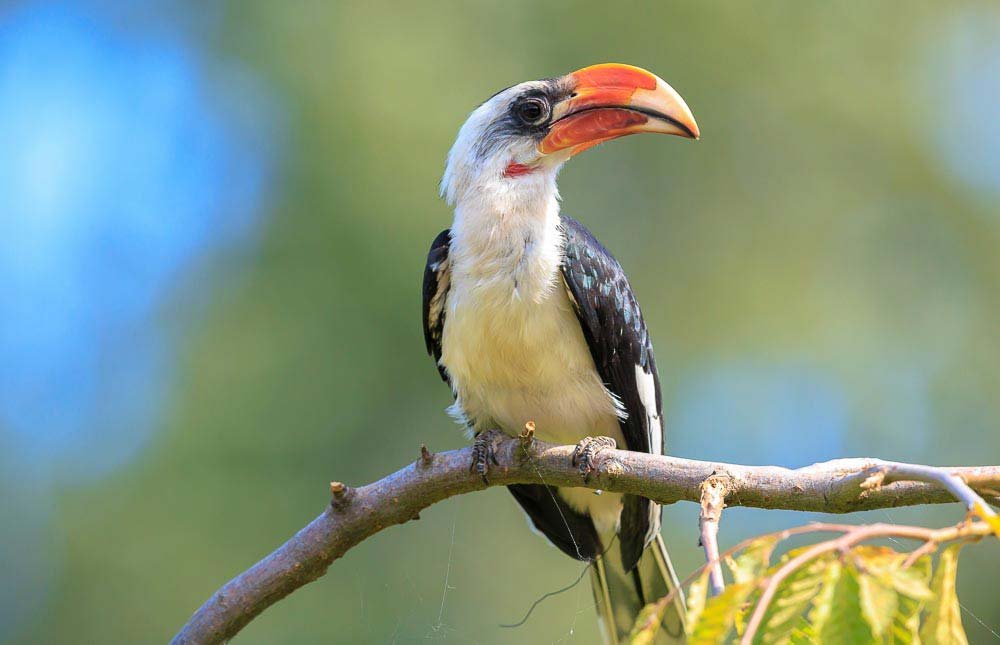
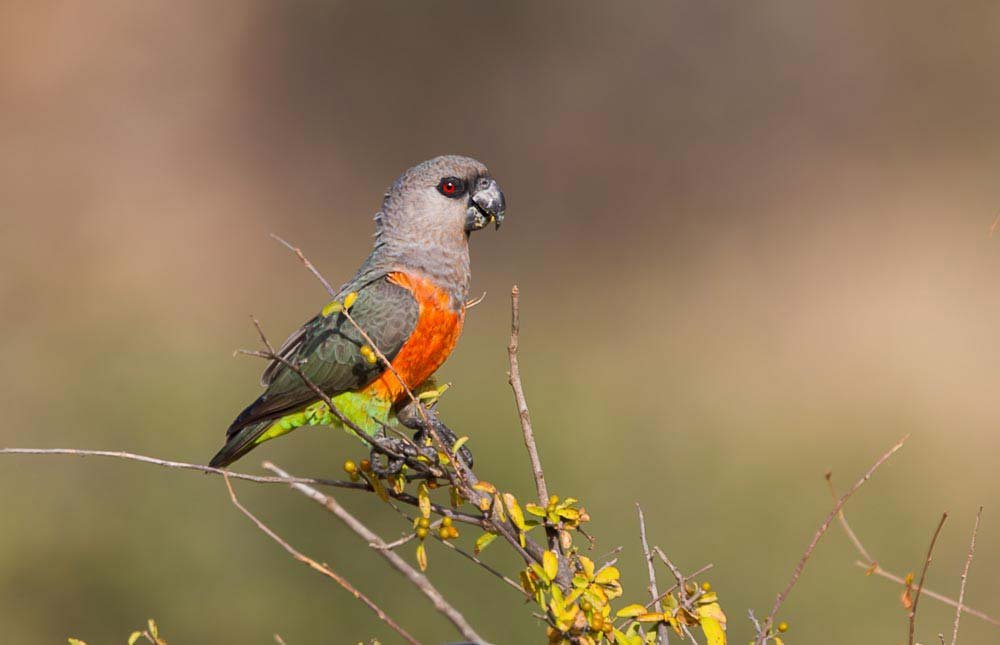
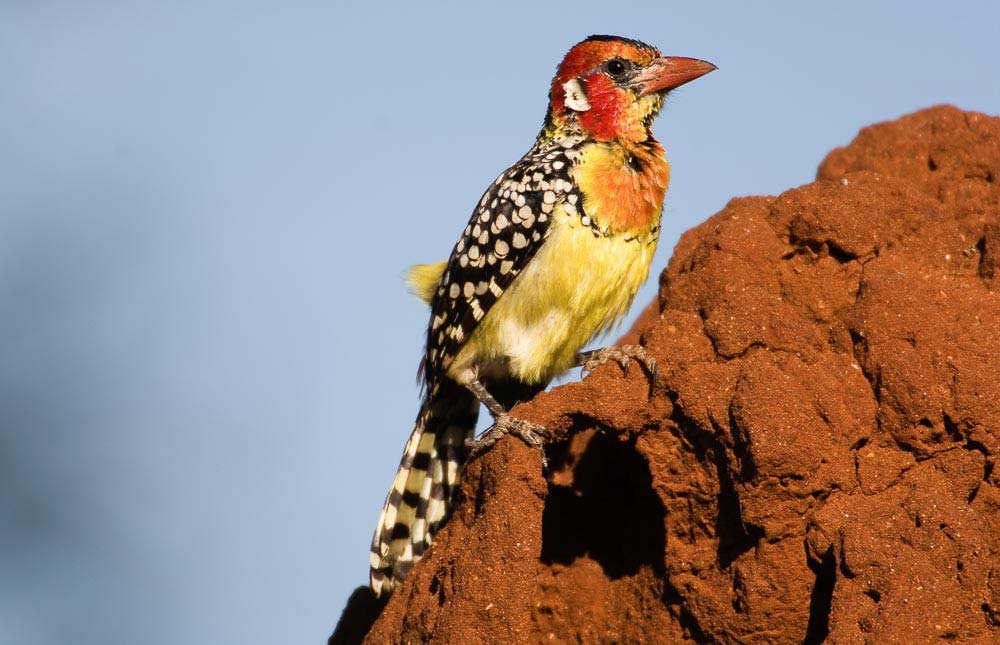
Tarangire National Park’s reputation stems primarily from incredible elephant concentrations. Herds often number in the hundreds beautifully. Particularly from June to October, dry season mini-migrations occur. Thousands of wildebeest, zebras, gazelles, and buffalo converge on riverbanks. Moreover, this attracts a variety of predators. Furthermore, lion, leopard, and cheetah sightings prove frequent. Consequently, game drives become genuinely exhilarating experiences. Additionally, the park boasts unique species rarely found elsewhere. The fringe-eared oryx and gerenuk inhabit these lands. Meanwhile, birdwatchers delight in over 550 species. The striking yellow-collared lovebird captivates bird enthusiasts particularly. Therefore, Tarangire National Park appeals to diverse wildlife interests.

Planning your visit to this Tanzanian gem with Glitzy Safaris involves practical considerations. Entry fees for non-East African citizens are typically around $50 per adult. This covers a 24-hour period. Additional fees apply for vehicles and lodges. Several comfortable lodges operate within or near the park. Moreover, they cater to various budgets. The drive from Arusha to Tarangire National Park takes approximately two to three hours. Covering about 118 kilometers makes it accessible. Therefore, day trips or multi-day extensions work perfectly.

The best time visits this incredible sanctuary runs from June to October. This dry season guarantees optimal viewing conditions. Weather proves generally dry and sunny throughout. Moreover, animals gather around dwindling water sources. Consequently, spotting becomes significantly easier. Additionally, this period concentrates wildlife viewing beautifully. However, the wet season brings lush landscapes. Furthermore, birding excellence peaks during November to May. Meanwhile, the dry season guarantees prime big game action. Therefore, timing depends on your specific interests. A safari here with Glitzy Safaris truly offers intimate nature encounters. Ultimately, book your Tarangire National Park safari today and experience Tanzania’s wildlife showcase while witnessing nature’s greatest elephant spectacle and iconic baobab landscapes.


Safari Tours to Tarangire National Park

7 Days

Serengeti NP, Arusha City, Ngorongoro Crater, Tarangire NP

From $1300

Per person per tour

4 Days

Arusha City, Lake Manyara NP, Ngorongoro Crater, Tarangire NP

From $858

Per person per tour

7 Days

Arusha City, Lake Manyara NP, Ngorongoro Crater, Serengeti NP, Tarangire NP

From $1980

Per person per tour

Accommodations in Tarangire National Park

Jambo lodge & camping site

Tanzania,
Lake Manyara National Park

Jambo Lodge sits close to Lake Manyara National Park, making it a convenient overnight stop for travelers moving between Tarangire, Lake Manyara,

Ngorongoro simba public campsite

Tanzania,
Ngorongoro Crater

Simba Public Campsite sits on the southwestern rim of Ngorongoro Crater, only about 2 km from the crater village, making it one

Seronera Public Campsite

Tanzania,
Serengeti National Park

Seronera Public Campsite sits in the Seronera River Valley, right in the heart of Serengeti National Park, an area known for some

Migombani Campsite

Tanzania,
Lake Manyara National Park

For travelers doing a camping safari through northern Tanzania, Migombani Campsite is one of the better-located options near Lake Manyara National Park.

Njiro Legacy Hotel Arusha

Tanzania,
Arusha City

If you’re headed out on safari from Arusha and want a good, budget-friendly spot to spend the night, take a look at

Songa Tented Camp

Tanzania,
Serengeti National Park

Songa Tented Camp Serengeti places you at the heart of the action during the legendary Great Wildebeest Migration. Nestled in the stunning

Safari Haven Serengeti

Tanzania,
Serengeti National Park

Safari Haven Serengeti delivers an authentic safari experience in the heart of the wilderness. Located in Serengeti Central, the camp places you

Mara Serena Safari Lodge

Kenya,
Masai Mara

Mara Serena Safari Lodge sits high on Ol Donyo Oseiya, a bush-covered hill overlooking the wide plains of the Masai Mara. It

Nungwi Dreams by Mantis

Tanzania,
Zanzibar Island

Nungwi Dreams by Mantis is a boutique beachfront resort set on the northern tip of Nungwi. This stretch of coastline is widely

Zebra plains mara camp

Kenya,
Masai Mara

Zebra Plains Mara Camp is a small, boutique luxury tented camp. It sits below the Oldonyo Loip Ridge, facing the open plains

FAQ about Tarangire National Park

  • Massive Elephant Herds: It boasts one of the largest concentrations of elephants in Tanzania, especially during the dry season. You can see herds of hundreds of individuals.
  • Baobab Trees: The park’s landscape is characterized by ancient, majestic baobab trees, which create a striking and picturesque backdrop for wildlife.
  • Tarangire River: This river is the park’s lifeline, especially during the dry season, attracting a huge array of animals that gather along its banks.
  • Less Crowded: Compared to some other northern circuit parks, Tarangire often offers a more serene and less crowded safari experience.
  • Diverse Birdlife: With over 550 bird species, it’s a paradise for birdwatchers.

Tarangire is home to a wide variety of wildlife, including:

  • Elephants: Its most iconic residents, often seen in large herds.
  • Other Herbivores: Wildebeest, zebras, buffalo, giraffes, impalas, elands, gazelles, waterbucks, and the less common fringe-eared oryx and gerenuk.
  • Predators: Lions (including the notable Silale Swamp lion pride), leopards, cheetahs, hyenas, caracals, honey badgers, and occasionally African wild dogs.
  • Birds: A phenomenal diversity of birds, from ostriches and Kori bustards to various raptors and colorful smaller species.
  • Dry Season (June to October): This is generally considered the best time for game viewing. As water sources diminish, animals congregate around the permanent Tarangire River, making them easier to spot. The vegetation is also thinner. This is peak tourist season.
  • Wet Season (November to May): The park becomes lush and green, offering beautiful photographic opportunities. While animals are more dispersed, it’s an excellent time for birdwatching as migratory birds arrive. You’ll also encounter fewer crowds and potentially lower accommodation rates. The “short rains” are typically November-December, and the “long rains” are March-May.

A full day (one night) is usually sufficient to experience the park’s highlights, especially if it’s part of a longer northern circuit safari. However, if you’re a keen birder or want to delve deeper, two days (two nights) would allow for a more relaxed exploration.

  • By Road: The most common way is by road from Arusha, the safari hub. It’s about a 2-hour drive (120 km) on a mostly paved road. Many safari itineraries include Tarangire as the first stop.
  • By Air: You can fly from Arusha Airport (ARK) or Kilimanjaro International Airport (JRO) to Kuro Airstrip, which is located inside the park. Flights take approximately 25-45 minutes.

Park fees are set by the Tanzania National Parks Authority (TANAPA) and can vary by nationality (non-resident, East African citizen, resident) and age. As of my last update (July 2025), non-resident adult entry fees are typically around $59 USD per person per 24 hours. There are also fees for vehicles, camping, and specific activities like walking safaris or night game drives. It’s always best to check the latest official TANAPA tariffs or with your tour operator for the most current information, as fees can change. Fees are generally paid electronically (e.g., credit card).

Yes, Tarangire National Park is one of the few parks in Tanzania where guided walking safaris are permitted. This offers a unique opportunity to experience the bush on foot, learn about smaller creatures, tracks, and flora, and get a different perspective on the wildlife. These safaris are always accompanied by armed park rangers.

Yes, some lodges and camps within or bordering Tarangire offer night game drives. This is a fantastic opportunity to spot nocturnal animals that are not active during the day, such as civets, genets, bushbabies, and sometimes even predators on the hunt.

  • Game Drives: The primary activity, exploring the park’s diverse landscapes and spotting wildlife from a safari vehicle.
  • Birdwatching: Excellent opportunities year-round, especially during the wet season.
  • Hot Air Balloon Safaris: A truly unforgettable experience, offering panoramic views of the park at sunrise.
  • Cultural Visits: Some tours offer visits to nearby Maasai or Barabaig villages to learn about their culture.
  • Picnics and Bush Meals: Enjoying meals in scenic spots within the park.

Tarangire’s landscape is incredibly varied, featuring:

  • Grassy Savannahs: Open plains where herds graze.
  • Dense Woodlands: Dominated by acacia and the iconic baobab trees.
  • Swamps: Particularly in the southern parts, which are vital water sources and attract a lot of wildlife, including tree-climbing pythons.
  • Riverine Forest: Along the Tarangire River.
  • Termite Mounds: Numerous and often quite large, sometimes housing dwarf mongooses.

While Tarangire experiences its own localized migration of animals moving in and out of the park depending on the season and water availability, it is not part of the much larger Great Wildebeest Migration that occurs between the Serengeti and Maasai Mara. However, during the dry season, significant numbers of wildebeest and zebras do migrate into Tarangire from surrounding areas

Glitzy Safari on Trip Advisor

Here’s what our travelers have to say about their experiences with Glitzy Safaris