Mount Meru

Overview

Mount Meru is a magnificent dormant stratovolcano and Tanzania’s second-highest mountain. It dominates Arusha National Park in northeastern Tanzania, providing a stunning backdrop to Arusha City. Rising to 4,566 meters (14,990 feet), it offers a challenging and rewarding trekking experience. Its ecosystems range from dense rainforests to alpine deserts. Therefore, every ascent becomes a journey through remarkable natural variety. Furthermore, Mount Meru serves as an outstanding acclimatization climb for those preparing to tackle Mount Kilimanjaro.

Trekking Mount Meru — What to Expect

Mount Meru sees far fewer crowds than Kilimanjaro. As a result, it remains one of Tanzania’s most authentic wilderness adventures. The typical climb takes three to four days. Along the way, trekkers move through lush forests, open moorlands, and rocky ridges. Additionally, climbers encounter impressive wildlife throughout the route. Buffalo, giraffes, zebras, and various antelope species roam freely within Arusha National Park. Consequently, the trek becomes a unique blend of mountaineering and safari. Moreover, the final push to Socialist Peak is both thrilling and physically demanding. From the summit, views stretch across the vast plains below. The shimmering Momella Lakes are clearly visible. On clear days, the majestic silhouette of Mount Kilimanjaro appears in the distance.

Planning Your Mount Meru Climb

Planning a successful Mount Meru adventure requires careful preparation. First, engage a reputable tour operator to handle safety, logistics, and coordination with armed park rangers. These rangers accompany all trekkers through active wildlife zones. Next, build a solid fitness base well before your departure date. The climb is steep and demanding throughout. Therefore, regular hiking in the months leading up to your trip makes a significant difference. Additionally, the best time for a Mount Meru climb falls within Tanzania’s dry seasons. These run from July to October and from January to February. During these windows, trails are drier, clearer, and far more enjoyable.

Mount Meru With Glitzy Safaris

At Glitzy Safaris, we include Mount Meru in many of our northern Tanzania adventure itineraries. It stands as a fantastic standalone trek. However, it also works perfectly as a pre-Kilimanjaro acclimatization stage. Either way, a climb up this remarkable peak delivers genuine physical achievement. Furthermore, it offers an unforgettable immersion into Tanzania’s stunning natural landscapes. Let Glitzy Safaris plan every step of your mountain adventure.


Safari Tours to Mount Meru

No data was found

Accommodations in Mount Meru

Jambo lodge & camping site

Tanzania,
Lake Manyara National Park

Jambo Lodge sits close to Lake Manyara National Park, making it a convenient overnight stop for travelers moving between Tarangire, Lake Manyara,

Ngorongoro simba public campsite

Tanzania,
Ngorongoro Crater

Simba Public Campsite sits on the southwestern rim of Ngorongoro Crater, only about 2 km from the crater village, making it one

Seronera Public Campsite

Tanzania,
Serengeti National Park

Seronera Public Campsite sits in the Seronera River Valley, right in the heart of Serengeti National Park, an area known for some

Migombani Campsite

Tanzania,
Lake Manyara National Park

For travelers doing a camping safari through northern Tanzania, Migombani Campsite is one of the better-located options near Lake Manyara National Park.

Njiro Legacy Hotel Arusha

Tanzania,
Arusha City

If you’re headed out on safari from Arusha and want a good, budget-friendly spot to spend the night, take a look at

Songa Tented Camp

Tanzania,
Serengeti National Park

Songa Tented Camp Serengeti places you at the heart of the action during the legendary Great Wildebeest Migration. Nestled in the stunning

Safari Haven Serengeti

Tanzania,
Serengeti National Park

Safari Haven Serengeti delivers an authentic safari experience in the heart of the wilderness. Located in Serengeti Central, the camp places you

Mara Serena Safari Lodge

Kenya,
Masai Mara

Mara Serena Safari Lodge sits high on a bush-covered hill overlooking the wide plains of the Masai Mara. The lodge offers sweeping

Nungwi Dreams by Mantis

Tanzania,
Zanzibar Island

Nungwi Dreams by Mantis is a boutique beachfront resort located on the northern tip of Nungwi, one of Zanzibar most pristine beaches.

Zebra plains mara camp

Kenya,
Masai Mara

Zebra Plains Mara Camp is a luxury safari retreat in the Mara conservancies. It is part of the renowned Zebra Plains Collection,

FAQ about Mount Meru

Mount Meru is renowned for:

  • Tanzania’s Second Highest Peak: It’s a significant geological feature and a challenging climb in its own right.
  • Location within Arusha National Park: This means climbers get to experience wildlife (guided by an armed ranger) on the lower slopes, offering a unique blend of trekking and safari.
  • Acclimatization for Kilimanjaro: Its altitude and strenuous nature make it an excellent training ground for climbers aiming for Mount Kilimanjaro, helping them prepare for the effects of high altitude.
  • Stunning Views: The summit offers breathtaking panoramic views of Arusha National Park, the surrounding plains, and a spectacular sunrise behind Mount Kilimanjaro.
  • Dramatic Caldera: It has a strikingly beautiful inner ash cone and a caldera, formed by past eruptions.


Mount Meru is considered a moderately difficult climb. While it’s lower than Kilimanjaro and generally less technically challenging, it is still a very demanding trek due to:

  • Steep Ascent: The route is quite steep, especially on summit night, requiring good physical fitness.
  • Altitude: At 4,566 meters, altitude sickness (AMS) is a significant concern. Proper acclimatization is crucial.
  • Narrow Ridge: The final approach to the summit involves trekking along a narrow ridge, which requires a good head for heights.

It is generally tougher than the easiest routes on Kilimanjaro but less strenuous than Kilimanjaro’s most challenging routes. Many find it a very rewarding experience.

A climb to the summit of Mount Meru typically takes 3 or 4 days.

  • 3-Day Itinerary: This is a fast-paced option suitable for very fit climbers. It involves a very long and demanding summit day, including the final ascent and a significant descent all the way back to the park gate.
  • 4-Day Itinerary: This is the recommended option as it allows for better acclimatization and breaks the descent, making it physically less taxing. It provides a higher summit success rate and a more enjoyable experience.

All trekkers on Mount Meru follow the same established route, starting from Momella Gate in Arusha National Park.

  • Day 1: Momella Gate to Miriakamba Hut (2,514m / 8,250ft)
  • Day 2 (4-day option): Miriakamba Hut to Saddle Hut (3,570m / 11,712ft), with an optional acclimatization hike to Little Meru (3,820m / 12,533ft) in the afternoon.
  • Day 3 (4-day option – Summit Day): Saddle Hut to Socialist Peak (4,566m / 14,980ft) for sunrise, then descend all the way back to Miriakamba Hut.
  • Day 4 (4-day option – Descent): Miriakamba Hut back to Momella Gate.


As Mount Meru is located within Arusha National Park, you’ll encounter wildlife, particularly on the lower slopes and during the first day of the trek. This is a unique aspect compared to Kilimanjaro, where wildlife sightings are less common on the trekking routes.

  • Large Mammals: You are likely to see giraffes, zebras, buffalo, warthogs, bushbucks, and various antelopes. Elephants are also present, though less frequently encountered directly on the trail.
  • Primates: Black-and-white colobus monkeys, blue monkeys, and baboons are common in the forest zone.
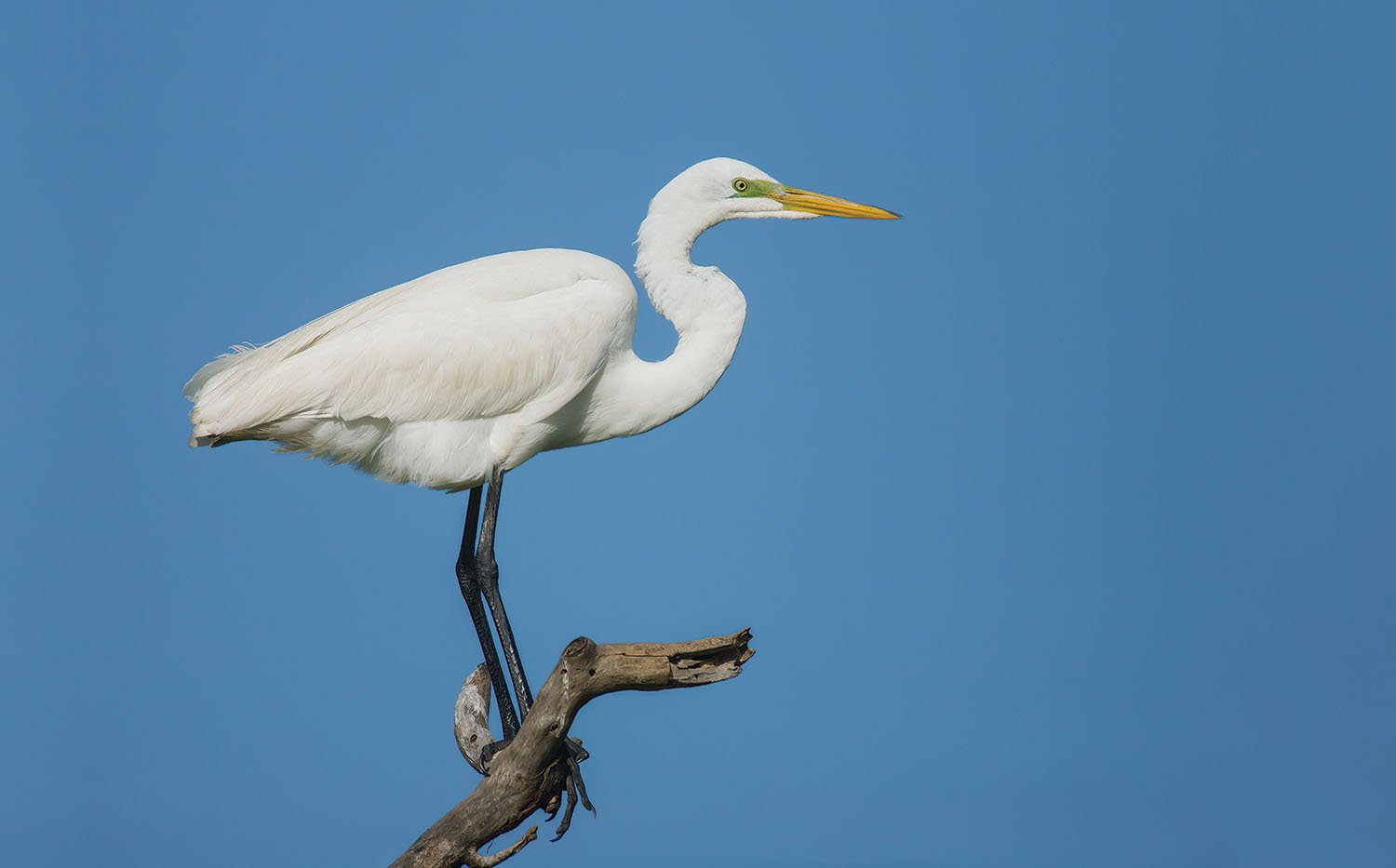
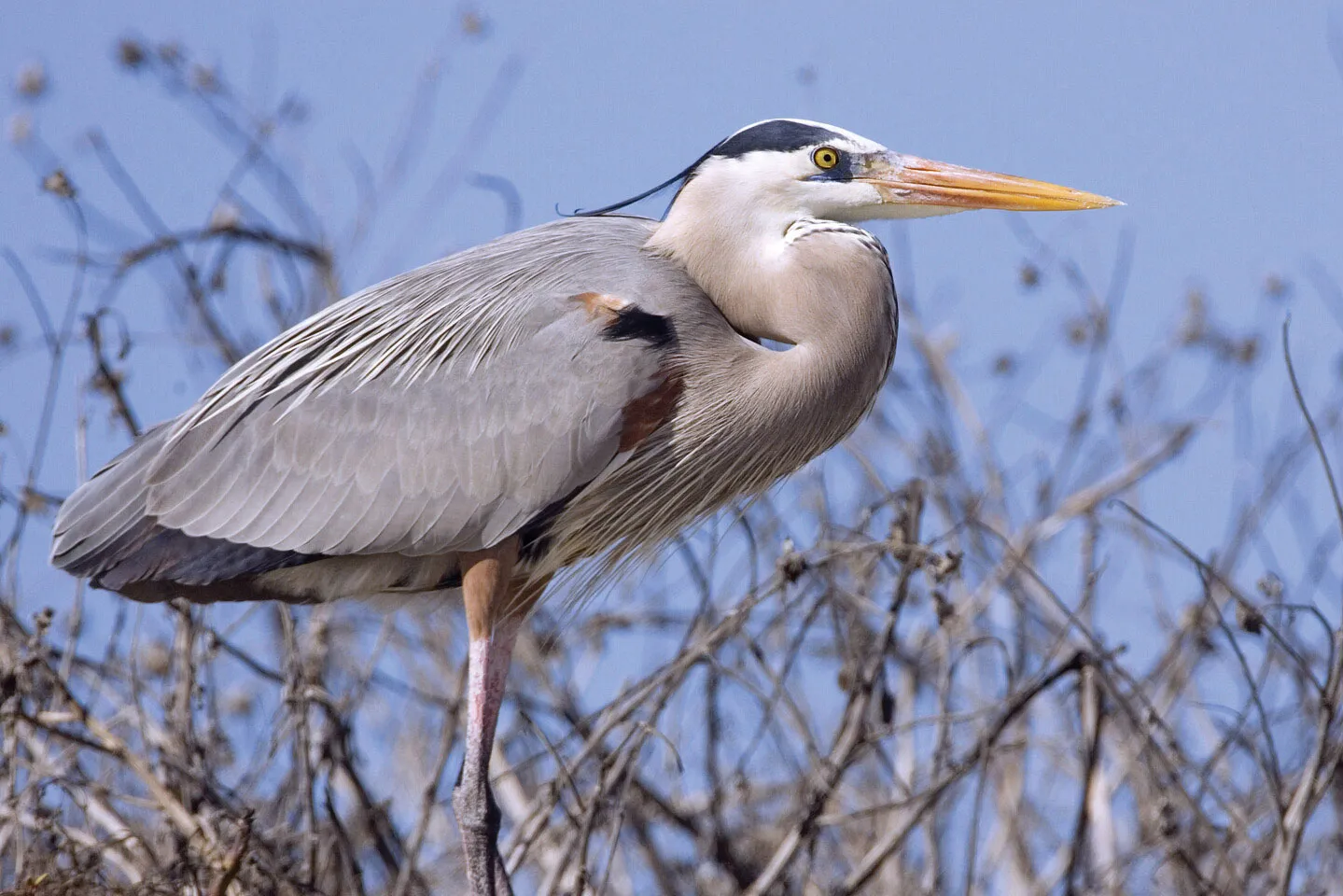
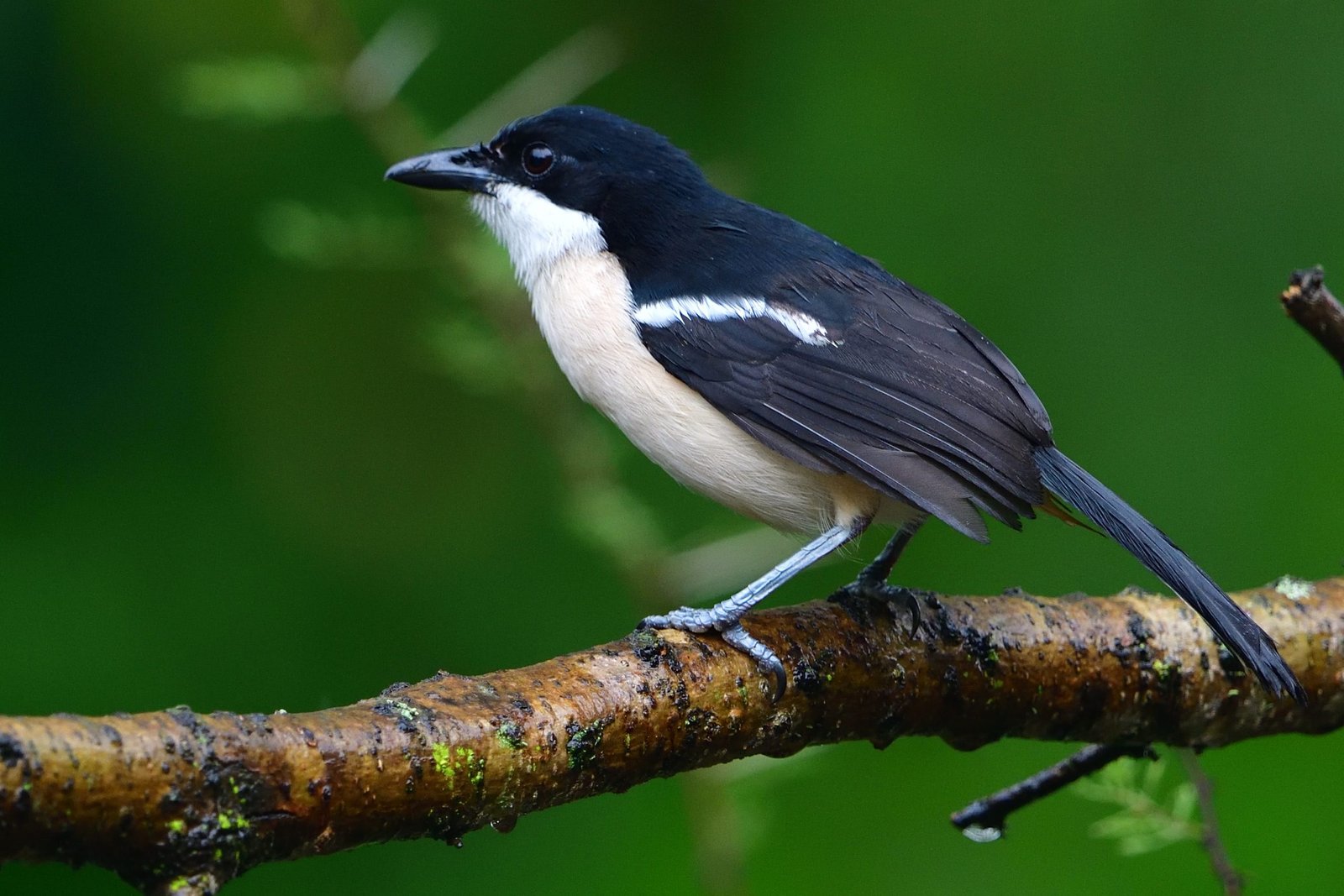
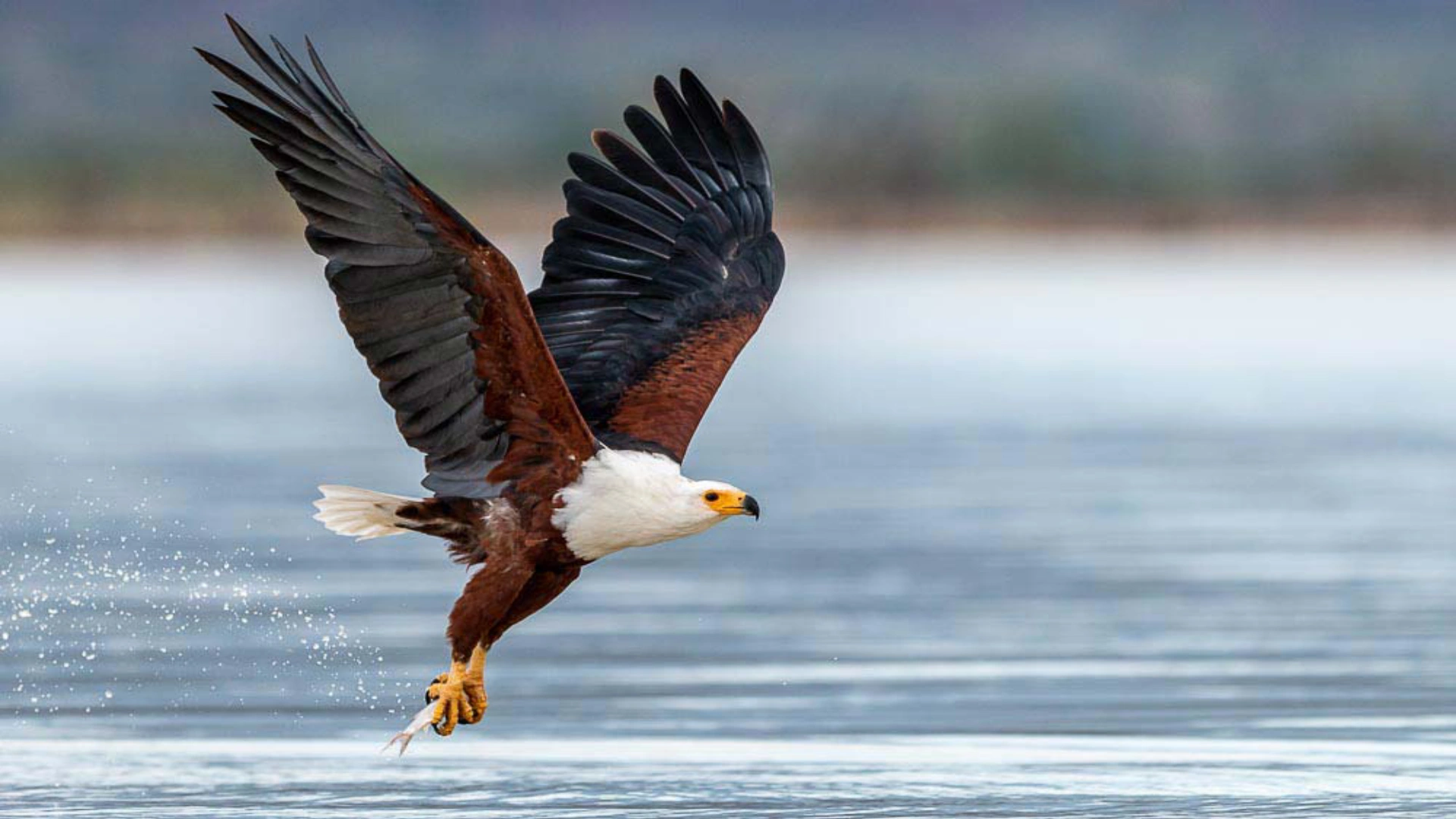
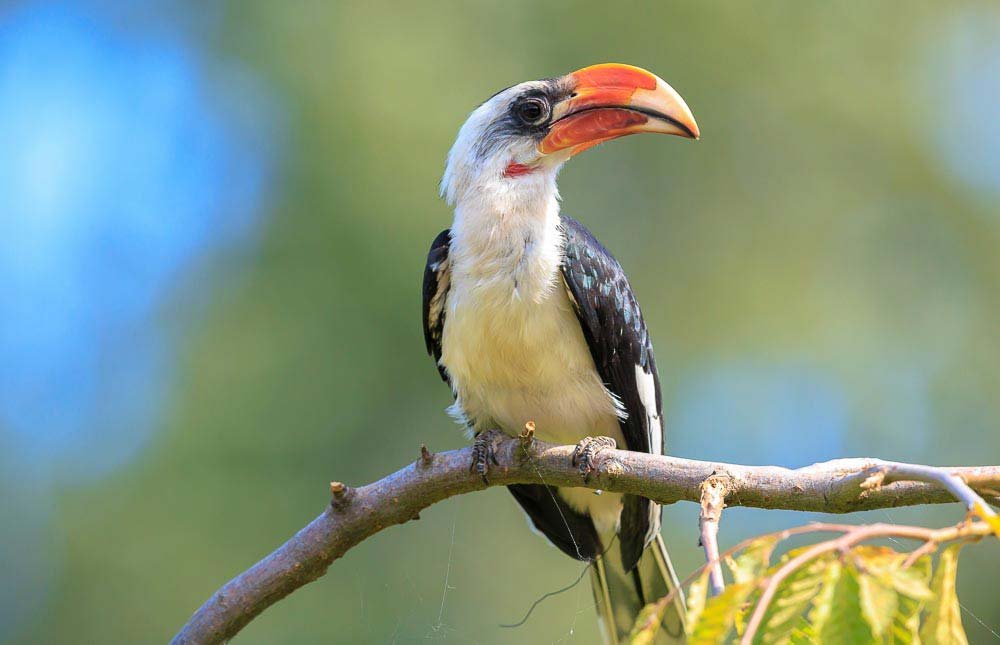
  • Birds: The park boasts over 400 bird species, making it great for birdwatching on the lower slopes.
  • Predators: Leopards and hyenas are present but are very shy and rarely seen. Due to the presence of potentially dangerous animals like buffalo and elephants, an armed ranger must accompany all climbing groups on Mount Meru.

The best times to climb Mount Meru coincide with Tanzania’s dry seasons:

  • June to October: This is the long dry season, offering generally clear skies, good visibility of Kilimanjaro, and less muddy trails. It’s colder at the summit during this period.
  • December to mid-March: This is the short dry season, often characterized by clear mornings and warmer conditions, though occasional afternoon showers can occur.

Avoiding the heavy rainy season (mid-March to May) and the short rains (November) is advisable due to muddy trails, reduced visibility, and more challenging conditions.

Accommodation on Mount Meru is in designated mountain huts:

  • Miriakamba Hut (2,514m): The first night’s stop, offering basic dormitory-style bunk beds.
  • Saddle Hut (3,570m): The second night’s stop (and final camp before the summit), also providing dormitory accommodation. These huts offer basic facilities like toilets and communal dining areas but are relatively comfortable for mountain trekking. All cooking is done by your climbing crew.

Yes, it is mandatory to climb Mount Meru with a licensed guide and porters, who must be accompanied by an armed TANAPA park ranger. This is due to the presence of wildlife, especially on the lower slopes. Your tour operator will arrange these essential personnel.

Mount Meru is often chosen as an alternative or an acclimatization climb for Kilimanjaro. Here’s a comparison:

  • Altitude: Meru (4,566m) is significantly lower than Kilimanjaro (5,895m).
  • Technical Difficulty: Meru is generally considered less technically demanding than Kilimanjaro, but its summit ridge can be challenging. Kilimanjaro’s most popular routes are also non-technical.
  • Duration: Meru typically takes 3-4 days, while Kilimanjaro takes 5-9 days.
  • Crowds: Meru sees far fewer climbers than Kilimanjaro, offering a more intimate wilderness experience.
  • Wildlife: Meru offers active wildlife viewing on its lower slopes, including the requirement of an armed ranger. Kilimanjaro’s wildlife is less frequently seen on trekking routes.
  • Accommodation: Meru uses huts; Kilimanjaro uses huts on one route (Marangu) and camping on all others.
  • Cost: Meru is generally less expensive than Kilimanjaro due to shorter duration and lower park fees.

A climb up Mount Meru offers an unforgettable adventure, combining a challenging trek with unique wildlife encounters and spectacular views within Arusha National Park.

Glitzy Safari on Trip Advisor

Here’s what our travelers have to say about their experiences with Glitzy Safaris