
Best Time for Private Safari
The best time for private safari in Tanzania is from June to October for top wildlife viewing. Each season offers unique experiences, from safaris to beach getaways.
You are here: Home » Private Tanzania Safaris » Best Time for Private Safari
Best Time for Private Safari in Tanzania: Your Complete Month-by-Month Guide
Planning a best time for private safari in Tanzania is the single most important decision you’ll make before booking your trip. Get the timing right and you’ll witness wildlife spectacles that stay with you for the rest of your life. Get it wrong and you might miss the very experiences you traveled thousands of miles to see.
The good news? Tanzania is one of Africa’s most rewarding year-round safari destinations. But every season tells a different story — and knowing which chapter you want to be part of makes all the difference.
At Glitzy Safaris, we’ve helped travelers plan private safaris across every month of the Tanzania calendar. This guide gives you everything you need to choose your perfect window.
Understanding the Best Time for Private Safari in Tanzania
Tanzania’s wildlife calendar is shaped almost entirely by rainfall. Two rainy seasons and two dry periods create a rhythm that drives animal movement, landscape transformation, and ultimately, your entire safari experience.
The Long Dry Season runs from late June through October and represents Tanzania’s peak safari period. Vegetation thins, animals gather around permanent water sources, and wildlife sightings become remarkably consistent. Days are warm and comfortable, nights are cool, and skies are reliably clear.
The Long Rains fall between April and May, bringing heavy afternoon downpours that transform the landscape but make some roads challenging and cause certain camps to close temporarily.
The Short Dry Spell from January to March delivers some of the most dramatic wildlife action of the entire year — more on that shortly.
The Short Rains arrive in November and December, bringing brief afternoon showers, lush green scenery, and exceptional birdwatching conditions.
Best Time for Private Safari in Tanzania: High Season vs Low Season
| High Season (June–October) | Low/Green Season (Nov–March) | |
|---|---|---|
| Wildlife Viewing | Exceptional — animals at water sources | Good — animals dispersed but active |
| Crowds | Busiest period | Quieter, more intimate |
| Rates | Highest | Most affordable |
| Booking | Well in advance essential | More flexibility available |
| Weather | Cool, dry, clear skies | Warm, occasionally wet |
| Baby Animals | Fewer newborns | Abundant newborns |
| Birdwatching | Limited migratory species | Outstanding — migrants arrive |
| Photography | Good conditions | Best light and landscapes of the year |
Neither season is wrong. They’re simply different experiences — and on a private safari, your guide maximizes whichever season you’re in.
When to See the Great Wildebeest Migration in Tanzania
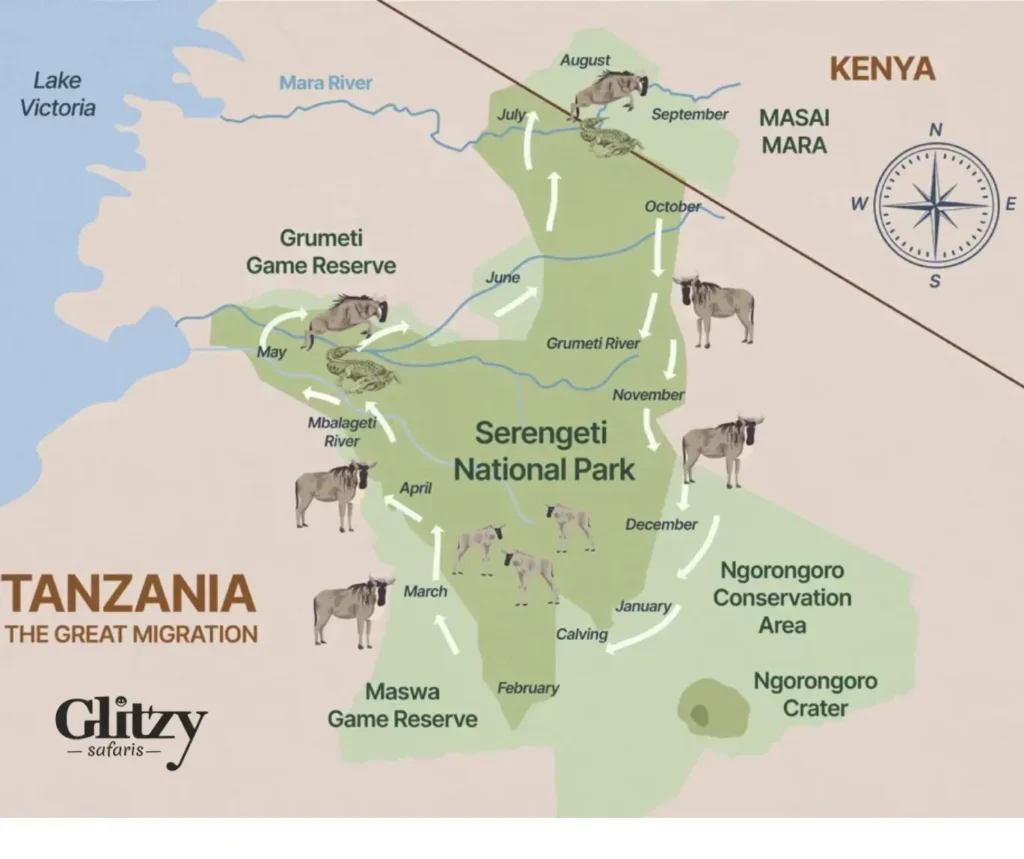
The Migration is the world’s largest overland wildlife movement and the single biggest draw for Tanzania safari travelers. Understanding its timing helps you position your private safari at exactly the right moment.
| Migration Event | Approximate Timing |
|---|---|
| Calving and birthing season | January to March |
| Intense predator and big cat action | January to March |
| Rutting and mating battles | January to March |
| Grumeti River crossings | May to July |
| Mara River crossings | July to September |
One important thing to understand — the Migration never truly stops. It’s a continuous circular journey throughout the year, and river crossings are famously unpredictable. Herds may linger in one area for weeks, or cross multiple times in a single day. A private safari gives you the flexibility to follow the herds rather than being locked into a fixed group schedule.
Month-by-Month Guide: Best Time for Private Safari in Tanzania
January to March — Calving Season and Predator Paradise
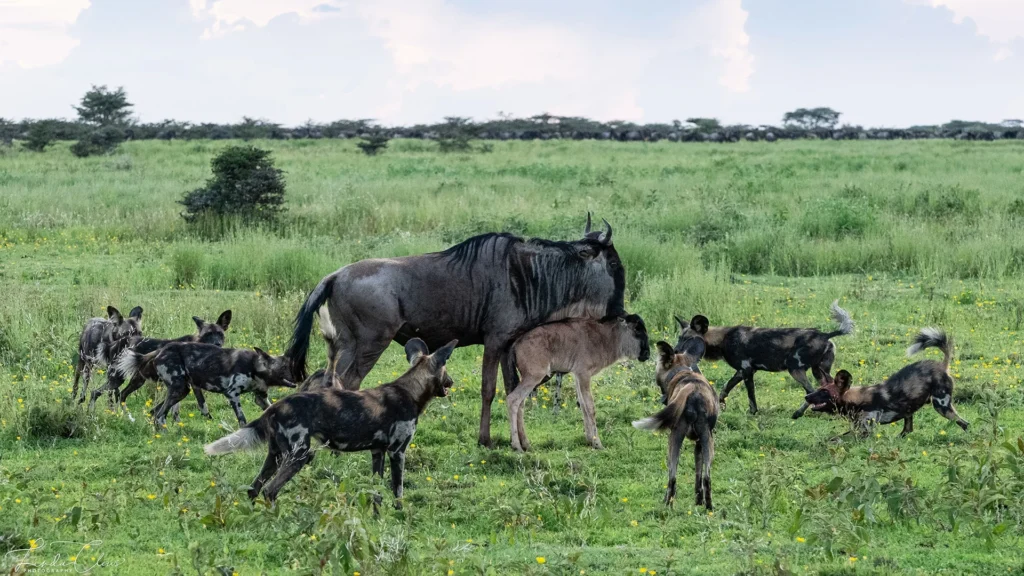
January opens with one of Tanzania’s most underrated safari experiences. While most travelers focus on the dry season river crossings, the southern Serengeti in January offers something arguably more extraordinary — the beginning of the wildebeest calving season.
As herds move into the southern Serengeti’s short grass plains to give birth, the landscape transforms into the world’s largest nursery. By February, around 500,000 wildebeest calves are born within a matter of weeks — a staggering biological event that draws every predator in the ecosystem.
Lions, cheetahs, leopards, and hyenas all converge on the calving grounds. The result is non-stop, visceral predator action that experienced safari travelers consistently describe as the most intense wildlife viewing they’ve ever witnessed. February sits at the absolute peak of this activity, with dramatic scenes playing out across the southern plains every single morning.
March brings the first hints of the long rains, with early morning clarity giving way to occasional afternoon showers. The Ngorongoro Highlands receive brief showers while mornings stay cool and clear. Wildlife viewing remains excellent early in the month before conditions soften toward April.
January to March is ideal for: Predator enthusiasts, wildlife photographers, first-time visitors on a budget, and anyone seeking extraordinary safari action away from peak season crowds
April to May — The Quiet Season
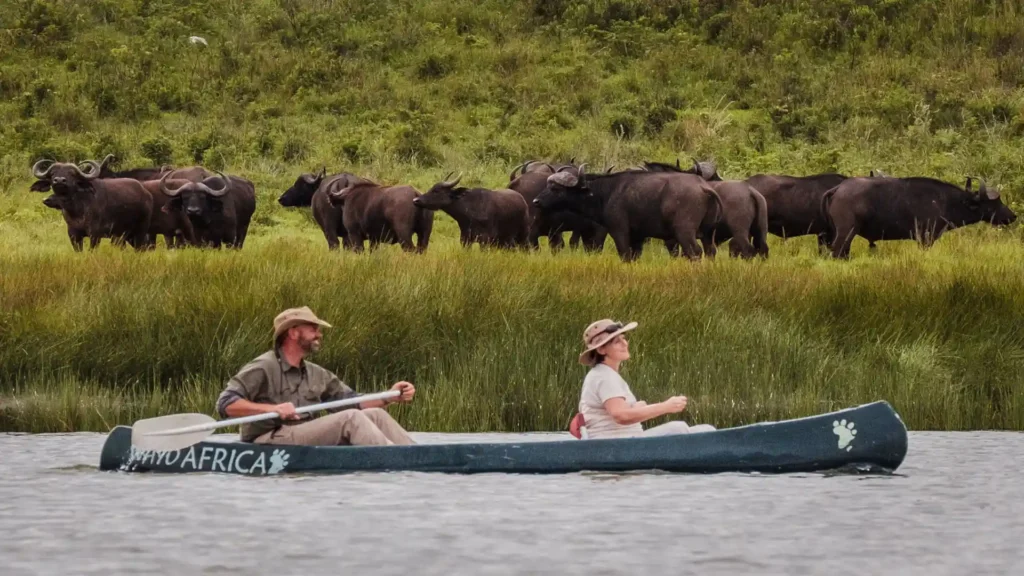
April is Tanzania’s wettest month, full stop. Frequent afternoon thunderstorms, overcast skies, and high humidity across the western and southern parks make this the most challenging period for safari travel. Some camps close entirely, and certain dirt roads become impassable after sustained heavy rain.
However, April and May reward the adventurous traveler with something genuinely rare — complete solitude in some of Africa’s greatest wildlife destinations. Rates drop significantly, parks are virtually empty, and the landscapes reach their most dramatically lush and green.
By late May, drier weather begins to return as the ecosystem prepares for the dry season. The Great Migration is also on the move during this period, tracking northward through the western Serengeti corridor — an exciting transitional moment for those willing to embrace the conditions.
April to May is ideal for: Budget-focused travelers, returning safari visitors seeking something different, and adventurous travelers who don’t mind unpredictable weather in exchange for total exclusivity.
June to August — Peak Season and the Mara River Crossings
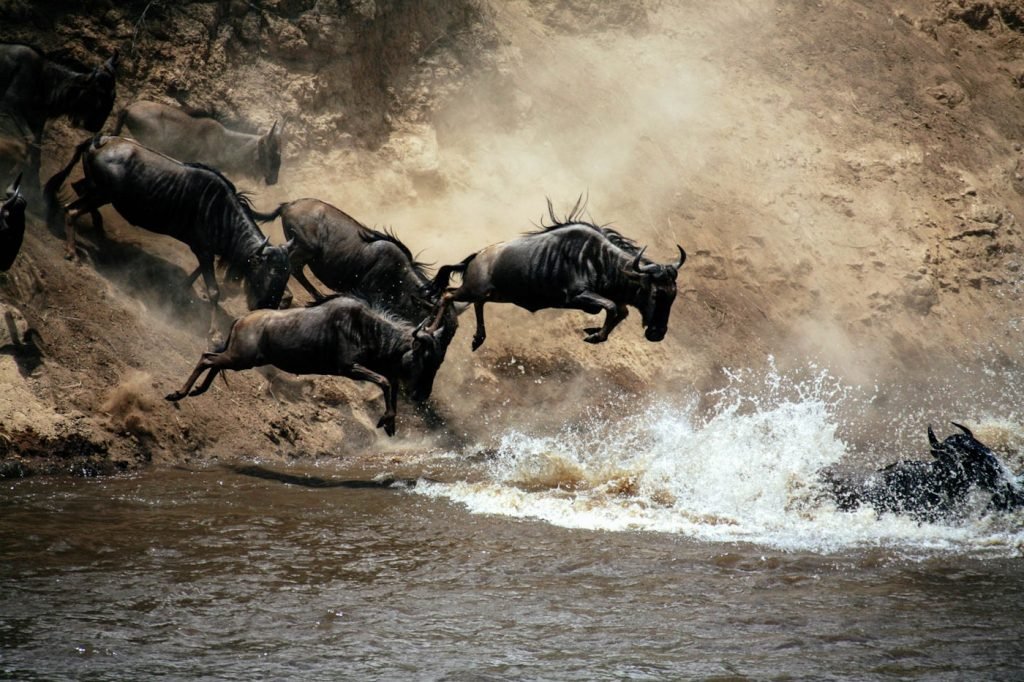
June marks the beginning of Tanzania’s most celebrated safari period. The rains have cleared, the golden savannah begins to replace the lush green, and wildlife becomes dramatically easier to spot as vegetation thins and animals cluster around permanent water. This is also when the Migration first pauses at the Grumeti River, with large herds gathering before committing to their first major crossings.
July is widely considered the single best safari month in Tanzania. Weather conditions are near perfect — warm days, cool nights, clear skies — and game viewing is outstanding across the entire northern circuit. The Migration has typically reached the northern Serengeti by now, positioning herds for the iconic Mara River crossings into Kenya. For travelers considering combining Tanzania and Kenya on one itinerary, July is the perfect month to do exactly that.
August continues the peak season momentum. The northern circuit — Tarangire, Ngorongoro Crater, and Serengeti — experiences its highest visitor numbers, and for good reason. Wildlife viewing is at its absolute finest, the Migration river crossings are happening with thrilling regularity, and the combination of landscape, light, and animal activity creates genuinely world-class safari conditions.
June to August is ideal for: First-time visitors, families, honeymoon couples, Migration chasers, and photographers seeking reliable Big Five sightings and dramatic landscape conditions.
September to October — Excellent Game Viewing With Fewer Crowds
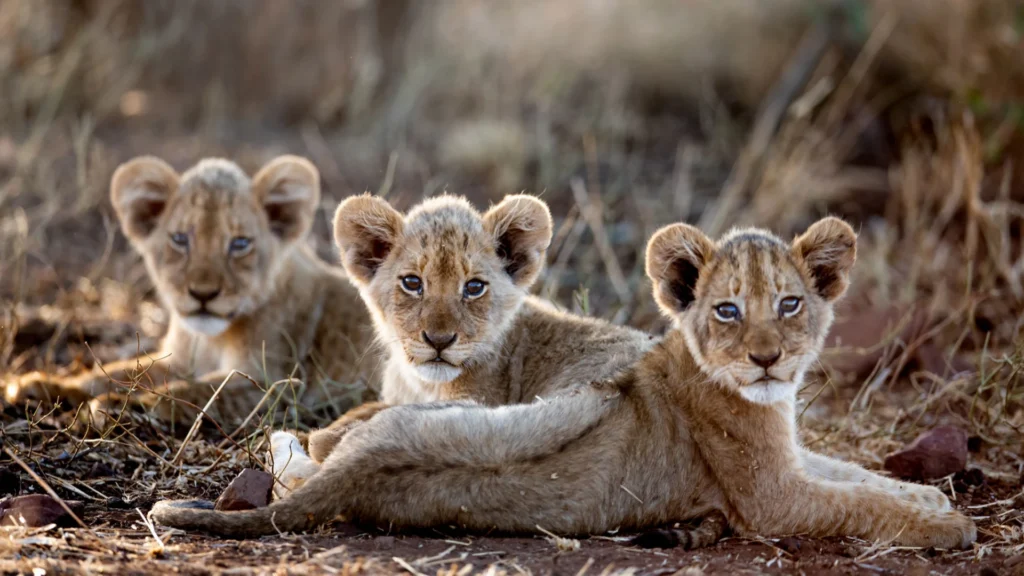
September continues the peak dry season with all the wildlife rewards of August but with visitor numbers beginning to ease slightly. The Mara River crossings are still occurring in the northern Serengeti, predator sightings remain exceptional, and the thinned vegetation makes spotting even shy species remarkably straightforward.
October sees the dry season beginning to wind down, with the short rains approaching toward the end of the month. Wildlife viewing remains strong, lodge rates begin to soften slightly from their August peak, and the parks offer a noticeably more relaxed atmosphere than the height of the season.
September to October is ideal for: Travelers who want peak season wildlife quality without peak season crowds, and those seeking slightly better value without sacrificing the experience.
November to December — Tanzania’s Most Underrated Safari Months
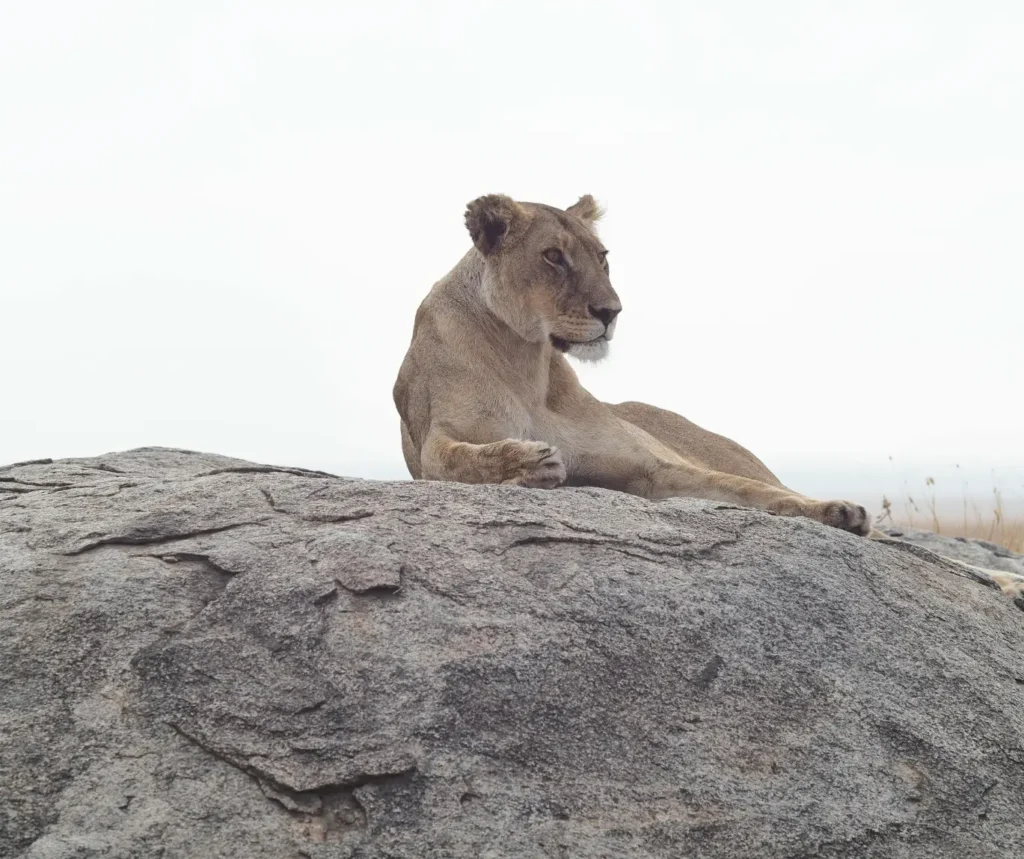
November is genuinely one of Tanzania’s most underrated safari months, and experienced travelers know it. Short afternoon thundershowers are common but rarely disruptive — most last no longer than an hour and clear quickly. The northern parks remain excellent for wildlife year-round, and the combination of lush landscapes, dramatic skies, and very manageable crowd levels creates a safari atmosphere that peak season simply cannot match.
December falls within the short rains period, though early in the month conditions are often still quite dry. Birdwatching reaches exceptional levels as migratory species begin arriving — particularly in Tarangire and Nyerere National Parks. By late December, the Great Migration has returned to the southern Serengeti’s short grass plains, where herds begin preparing for the upcoming calving season in a beautiful cycle that brings the year full circle.
The holiday season does bring a brief uptick in visitors in late December, so booking your private safari accommodations early is advisable if you’re planning a festive season trip.
November to December is ideal for: Birdwatchers, repeat visitors, photographers chasing dramatic green season light, and travelers seeking excellent value and quieter parks.
Quick Reference: Best Time for Every Safari Experience
| What You Want to See | Best Months |
|---|---|
| Mara River Migration crossings | July to September |
| Wildebeest calving season | January to February |
| Big Five year-round reliability | June to October |
| Predator action and big cats | January to March |
| Birdwatching | November to April |
| Honeymoon safari | June to October |
| Family safari | June to September |
| Photography — dramatic landscapes | November to March |
| Photography — wildlife and predators | June to August |
| Best value private safari | April to May or November |
| Quietest parks | April to May |
So What Is the Absolute Best Time for a Private Safari in Tanzania?
Here’s our honest answer after years of guiding travelers across every season:
For first-time visitors who want reliable Big Five sightings and iconic Migration action — June to October is your window.
For wildlife enthusiasts and photographers who want raw, dramatic predator action — January to February during calving season is extraordinary and deeply underrated.
For birdwatchers and green season lovers who want lush landscapes and intimate parks — November to December delivers a completely different and equally rewarding Tanzania.
For the truly adventurous who want exclusivity and the lowest prices — April to May offers a Tanzania almost nobody else sees.
What a private safari gives you above everything else is the ability to make the absolute most of whichever season you choose. Your dedicated guide adapts every game drive to current conditions, animal movements, and your personal interests — something no group tour can match.
Plan Your Private Tanzania Safari With Glitzy Safaris
The best time for a private safari in Tanzania depends on the experience you want. At Glitzy Safaris, we create tailor-made safari itineraries based on the season, wildlife experiences, and your travel style — ensuring you are in the right place at the perfect time for an unforgettable Tanzania safari adventure.