
Planning a Tanzania safari in June? You’re looking at one of the finest wildlife experiences Africa has to offer. June marks the beginning of Tanzania’s dry season — a time when the landscapes are still beautifully green, the skies clear up after the long rains, and the legendary Great Migration rolls through the Western Serengeti in full dramatic force. Whether you’re chasing wildebeest river crossings, searching for the Big Five, relaxing on Zanzibar’s powder-white beaches, or preparing to summit Kilimanjaro, a Tanzania safari in June delivers it all. In this guide, we cover everything you need to plan your trip — from wildlife and weather to costs, packing, and the best parks to visit.
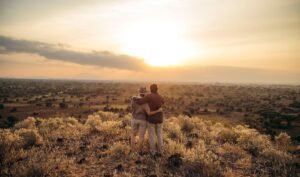
June is, without question, one of the most rewarding months to go on a Tanzania safari. Unlike the peak months of July and August, June still offers excellent game viewing while delivering a quieter, more intimate bush experience. Furthermore, the landscape hasn’t yet turned dry and dusty, so your photographs will feature gorgeous green backdrops rather than the parched scenery typical of late dry season.
Here is why experienced safari travelers consistently rate June so highly:
In short, June combines the lushness of the green season with the game-viewing quality of the dry season — and that balance is precisely what makes it so special.
Understanding Tanzania’s weather in June is essential before you start packing. The good news is that June sits at the start of the long dry season, which runs through to October. As a result, rainfall drops significantly across the country, humidity falls, and temperatures settle into a very comfortable range.
The Northern Safari Circuit, which is Tanzania’s most visited region, experiences ideal conditions in June:
Because early morning game drives can feel genuinely cold, especially in an open safari vehicle, it is strongly recommended that you bring a light fleece or down jacket. Temperatures warm up quickly once the sun rises, so layering is the smartest approach.
These more remote regions are equally dry and warm in June. Moreover, since fewer tourists travel this far, the game viewing feels exceptionally exclusive. If you are seeking a wilderness safari with almost no other vehicles around, southern and western Tanzania in June is hard to beat.
The coast and islands also benefit from June’s dry season conditions:
Consequently, June is widely regarded as one of the best months to visit Zanzibar. The ocean is calm, the air is fresh, and the beaches are at their most inviting.
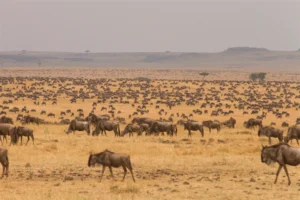
Without a doubt, the Great Migration is the single biggest draw for travelers on a Tanzania safari in June. This is the largest overland wildlife movement on the planet — more than 1.5 million wildebeest, along with hundreds of thousands of zebras and Thomson’s gazelles, moving in a continuous clockwise circuit through Tanzania and Kenya.
In June, the migration is concentrated in the Western Corridor of Serengeti National Park, and specifically around the Grumeti River. This is where the drama unfolds.
As the massive herds push northward, they must cross the Grumeti River — a crossing that is every bit as breathtaking as the more famous Mara River crossings later in the season. However, because fewer tourists visit the Western Serengeti in June compared to the Masai Mara in August, these crossings feel far more raw and exclusive.
At the Grumeti River, you can expect to witness:
Furthermore, since the Western Serengeti is less visited than the central and northern sections, you will often experience these sightings with very few other vehicles — a privilege that is increasingly rare on the popular African safari circuit.
The Serengeti is Tanzania’s most iconic safari destination, and June is one of the finest months to be there. The Western Corridor is where the Migration action happens, but the central and southern Serengeti also deliver outstanding wildlife viewing during this period.
What makes the Serengeti unmissable in June:
Often described as Africa’s Garden of Eden, the Ngorongoro Crater is a collapsed volcanic caldera that shelters one of the most extraordinary concentrations of wildlife on Earth. Because animals rarely leave the crater floor, the viewing is consistently excellent — and June’s dry conditions make it even better.
Wildlife you can expect to see:
Tarangire is arguably the most underrated park in northern Tanzania, and June is when it truly begins to shine. As the dry season takes hold, elephant herds descend on the Tarangire River in impressive numbers, creating some of the most memorable elephant encounters in all of Africa.
Highlights of Tarangire in June:
Compact but remarkably diverse, Lake Manyara is an excellent addition to any Tanzania safari itinerary in June. Additionally, it works perfectly as a half-day stop en route between Tarangire and the Ngorongoro highlands.
What Lake Manyara offers in June:
For travelers who value exclusivity above everything else, Ruaha is Tanzania’s greatest secret. It is the country’s largest national park, yet it receives only a fraction of the visitors that flock to the Serengeti. Therefore, if you want a deep wilderness experience with genuine solitude, Ruaha belongs on your itinerary.
Why Ruaha stands out in June:

After days of early morning game drives, dust, and bush, there is nothing quite like arriving on the spice islands of Zanzibar. Most experienced Tanzania travelers build 3 to 4 nights in Zanzibar into the end of their itinerary — and for very good reason.
June is genuinely one of the best months to visit Zanzibar. Since the long rains have ended, you can look forward to sunshine, warm temperatures, and calm turquoise waters.
Top things to do in Zanzibar in June:
Moreover, because June sits just before the high tourist season peaks, the beaches are pleasantly uncrowded and accommodation prices remain reasonable.
Absolutely — and most experienced mountain guides will tell you that June is one of the best months to climb Kilimanjaro. The dry season brings stable weather, lower precipitation on the mountain, and far better summit visibility compared to the rainy months of March, April, and May.
Key advantages of climbing Kilimanjaro in June:
Most popular Kilimanjaro routes in June:
Many adventurous travelers combine Kilimanjaro with a Serengeti safari and Zanzibar beach stay — the ultimate Tanzania trifecta.
June sits between shoulder and peak season, which means prices are rising but still represent better value than July and August. However, because June is increasingly popular, booking well in advance is absolutely essential.
| Safari Style | Cost Per Person Per Day | What’s Typically Included |
|---|---|---|
| Budget | $250 – $400 | Shared camping or basic lodge, group game drives |
| Mid-Range | $450 – $800 | Private lodge or tented camp, private game drives |
| Luxury | $900 – $2,500+ | Exclusive luxury camps, private vehicle, all inclusive |
Important tip: The best lodges and camps in the Western Serengeti fill up 6 to 9 months in advance for June. Therefore, if you have a specific property in mind, book as early as possible to avoid disappointment.
Packing correctly makes a meaningful difference to your comfort on safari. Because mornings are cold and afternoons are warm, layering is the key strategy.
| Category | What to Bring |
|---|---|
| Clothing | Neutral-colored shirts, trousers, and shorts in khaki, olive, or beige |
| Warmth | Fleece jacket or light down layer for cold early mornings |
| Footwear | Comfortable walking shoes or light hiking boots |
| Sun Protection | SPF 50 sunscreen, wide-brimmed hat, UV-blocking sunglasses |
| Safari Gear | Quality binoculars (8×42 recommended), camera with 100–400mm zoom lens |
| Beach Essentials | Swimwear, reef-safe sunscreen, lightweight sarong or cover-up |
| Health | Antimalarials, insect repellent with DEET, comprehensive travel insurance |
One important note: avoid bright colors such as red, white, or blue on game drives. These colors can disturb wildlife and make you more visible. Stick to neutral earth tones at all times.
Is June a good month for a Tanzania safari? Yes — it is one of the best months of the entire year. Wildlife viewing is excellent, weather is comfortable, landscapes are still green, and visitor numbers are lower than peak season.
Where exactly is the Great Migration in June? The migration is concentrated in the Western Corridor of Serengeti National Park, particularly around the Grumeti River, where dramatic crocodile-filled crossings take place.
How crowded is Tanzania in June? June is popular but noticeably quieter than July and August. You will find shorter queues at park gates, fewer vehicles at sightings, and a more intimate safari experience overall.
Is Zanzibar worth visiting in June? Absolutely. June offers low rainfall, warm temperatures, and calm seas — making it one of the finest months to visit the island.
Can you climb Kilimanjaro in June? Yes, and most guides recommend it. The dry season brings stable conditions, better visibility, and a higher chance of a successful summit.
How much does a Tanzania safari cost in June? A quality mid-range safari typically costs between $450 and $800 per person per day, including accommodation, meals, park fees, and game drives.
If you are looking for the perfect balance of incredible wildlife, dramatic scenery, comfortable weather, and manageable crowds, then a Tanzania safari in June is almost certainly your ideal choice. From the thundering wildebeest herds at the Grumeti River to the ancient baobabs of Tarangire, the flamingo-pink shores of Lake Manyara, the solitude of Ruaha, and the paradise beaches of Zanzibar — June brings it all together in one extraordinary package.
Moreover, because June sits just ahead of the high-season peak, you benefit from better availability, slightly lower prices, and a more personal experience in the bush. For experienced safari travelers and first-timers alike, June consistently ranks among the finest months to explore Tanzania.
Want a tailor-made Tanzania safari itinerary built around your travel dates, budget, and interests? Contact our expert safari team today for a free, no-obligation quote.
Explore our Tanzania safari month by month guide, from Tanzania Safari in January to Tanzania Safari in December, to compare wildlife, weather, and the best travel seasons.