If July is the opening act and August the headline performance, a Tanzania Safari in September is the insider’s secret — the month that experienced travellers quietly choose while everyone else fights over August bookings.
At Glitzy Safaris, we have guided hundreds of travellers through Tanzania’s spectacular dry season, and September is the month we recommend most confidently. Here is why: September sits at the peak of the dry season — animals are concentrated at water sources, the Great Migration river crossings are still actively happening in the Northern Serengeti, and the intense peak crowds of July and August have started to noticeably thin out.
That combination — peak wildlife, fewer vehicles, and a more personal atmosphere — is exactly what a Glitzy Safaris experience is designed to deliver. This complete guide covers everything you need to plan the perfect Tanzania in September adventure.
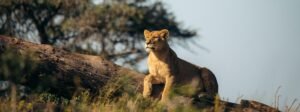
September brings outstanding weather, exceptional wildlife, and a more relaxed safari atmosphere than the two months that precede it. It sits alongside July and August as one of the top three months to plan a Tanzania safari — but with meaningful advantages that set it apart.
September is not a compromise month. It is a genuine sweet spot — and one of the most popular booking windows of the year at Glitzy Safaris.
Understanding Tanzania weather in September helps you pack correctly and set the right expectations for your Glitzy Safaris experience.
September remains firmly within Tanzania’s dry season — warm, sunny, and virtually rain-free from the northern plains all the way to the southern wilderness areas.
Early morning game drives are comfortable rather than cold — a welcome improvement over the chilly July and August dawns that require heavy fleeces and down jackets.
Glitzy Safaris tip: September mornings in the Serengeti are noticeably warmer than July or August. You still benefit from all the dry-season advantages but with greater comfort at dawn. A light fleece is all you need — leave the heavy jackets at home.
One of the most common misconceptions Glitzy Safaris hears from first-time travellers is that the Great Migration finishes in August. It does not.
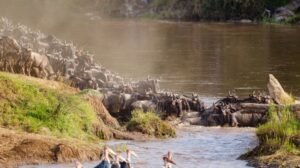
The wildebeest are still crossing the rivers of the Northern Serengeti in September. The 1.5 million strong herds that thundered northward through July and August remain in the Northern Serengeti throughout September, continuing their dramatic back-and-forth crossings of the Mara River before the long journey south begins in October.
What makes the Serengeti Migration in September particularly special for Glitzy Safaris clients is the atmosphere at the crossing points. In July and August, a single crossing can attract dozens of safari vehicles lined along the riverbank. In September, you often watch the same thundering, chaotic spectacle with a fraction of that audience. The wildlife is identical. The experience feels far more personal.
The Kogatende area and the Lamai Wedge in the Northern Serengeti are the prime locations for Glitzy Safaris Migration itineraries. We position our clients in camps within direct driving distance of the main Mara River crossing points to maximise time on the ground when the action begins.
Important: River crossings never happen on a fixed schedule. Wildebeest make their own decisions on their own timeline. Glitzy Safaris always recommends a minimum of 3–5 nights in the Northern Serengeti to give you the best realistic chance of witnessing at least one major crossing.
The Serengeti is the heart of every Glitzy Safaris Tanzania in September itinerary. The Northern Serengeti delivers Migration drama while the central Serengeti — home to resident lion prides, cheetah families, and leopards draped across acacia branches — is world-class year-round. Glitzy Safaris also offers hot air balloon experiences at dawn over the endless golden plains — one of the most extraordinary experiences in all of Africa.
Tarangire is arguably September’s most underrated highlight and one of Glitzy Safaris’ personal favourite additions to any northern circuit itinerary this time of year.
As water sources across the broader ecosystem dry up completely, the permanent Tarangire River becomes an irresistible magnet for wildlife from kilometres around. Elephant herds of 200–300 animals gathered along the riverbanks are a regular and unforgettable sight. Add to that resident lions, leopards, massive buffalo herds, and an extraordinary diversity of birdlife among towering ancient baobab trees — and Tarangire in September is a world-class wildlife destination in its own right.
The Ngorongoro Crater consistently exceeds even the highest expectations. The crater floor hosts one of Africa’s densest wildlife concentrations within its 600-metre-high walls — critically endangered black rhinos, lion prides, elephant herds, buffalo, hippos, and vast flamingo flocks on the alkaline lake. September’s clear skies make every Glitzy Safaris descent into the crater genuinely breathtaking.
Tanzania’s largest national park is exceptional in September. The Ruaha River shrinks to a narrow lifeline, concentrating enormous elephant herds, large lion prides, leopards, wild dogs, and crocodiles along its banks in numbers that rival anything the Serengeti offers. Glitzy Safaris includes Ruaha in itineraries for clients who want authentic, remote wilderness without the northern circuit crowds.
Africa’s largest game reserve offers a completely different dimension to any Glitzy Safaris Tanzania experience. Boat safaris on the Rufiji River — elephants wading across at close range, hippos surfacing beside the vessel, crocodiles basking on sun-warmed banks — are a unique September highlight. Walking safaris are available here too, providing a raw, ground-level wildlife experience that no game drive can fully replicate.
A highly photogenic park that Glitzy Safaris includes as a perfect half-day or full-day addition to any northern circuit itinerary. Famous for its rare tree-climbing lions, enormous hippo pools, and spectacular flamingo formations along the alkaline lakeshore — Manyara delivers remarkable sightings in a compact and visually stunning setting.

Every great safari deserves an equally unforgettable ending — and at Glitzy Safaris, we consider a Zanzibar in September beach extension the perfect way to complete your Tanzania journey.
September is one of Zanzibar’s finest months of the year. The intense August crowds have eased while the weather remains absolutely perfect. Warm sunshine, low humidity, calm seas, and crystal-clear waters make the archipelago as beautiful as it ever gets.
What Zanzibar in September offers Glitzy Safaris clients:
Top Zanzibar experiences Glitzy Safaris recommends in September:
Most Glitzy Safaris clients combine 5–8 nights on safari with 3–4 nights in Zanzibar — flying directly between the Serengeti and Zanzibar with no transit through Dar es Salaam required. It is Tanzania’s most iconic travel combination and September is one of the best times of year to experience it.
September is one of the two best months of the entire year to summit Africa’s highest peak — and Glitzy Safaris includes Kilimanjaro climbing packages as part of our comprehensive Tanzania offerings.
The dry season brings stable weather, clear summit views, dry trails, and the highest success rates of the climbing year. September also offers warmer daytime temperatures than July and August at altitude — making the physical challenge slightly more manageable while conditions remain excellent throughout.
September is one of the peak months to summit Kilimanjaro thanks to:
Popular Kilimanjaro routes Glitzy Safaris recommends in September:
Combining a Kilimanjaro climb with a Serengeti safari and a Zanzibar beach extension remains Tanzania’s ultimate three-part itinerary — and Glitzy Safaris has perfected the logistics of making all three seamlessly connect.
September sits in an intelligent pricing position on the Tanzania safari calendar. It delivers virtually identical wildlife conditions to July and August while beginning to offer more competitive rates as the European summer holiday season ends.
Here is a realistic breakdown of what to budget for a July safari Tanzania style experience in September:
| Safari Type | Cost Per Person Per Day |
|---|---|
| Budget (camping / group tours) | $250 – $450 |
| Mid-range (comfortable lodges) | $450 – $850 |
| Luxury (premium tented camps) | $900 – $3,000+ |
Smart money tips for your Glitzy Safaris September booking:
September is warmer than July and August — but early morning game drives still benefit from a light layer.
| Category | Essential Items |
|---|---|
| Clothing | Neutral safari colours (khaki, olive, tan), light long-sleeve shirts, light fleece for mornings, breathable t-shirts for warm afternoons |
| Footwear | Comfortable walking shoes or sturdy boots, sandals for evenings at the lodge |
| Sun protection | SPF 50+ sunscreen, wide-brim hat, quality UV-protective sunglasses |
| Photography | Camera with 200mm+ telephoto lens, extra batteries and memory cards, dust-proof bag |
| Health | Antimalarial medication, DEET insect repellent, basic first aid kit |
| Essentials | Quality binoculars (8×42 recommended), portable power bank, Zanzibar swimwear and cover-ups |
| Factor | July | August | September |
|---|---|---|---|
| Wildlife Viewing | Excellent | Excellent | Excellent |
| Great Migration | Excellent | Peak Viewing | Excellent |
| Crowd Levels | Busy | Very Busy | Moderate |
| Safari Costs | High | Highest | Better Value |
| Weather | Excellent | Excellent | Excellent |
| Kilimanjaro Conditions | Good | Good | Best |
| Zanzibar Conditions | Excellent | Excellent | Excellent |
| Overall Value | Very Good | Good | Outstanding |
The Glitzy Safaris honest verdict: for wildlife, all three months are exceptional and largely interchangeable. September wins clearly on value, crowd levels, Kilimanjaro conditions, and the quality of personal experience. August wins for those who want the absolute peak of Migration intensity. July is ideal for first-time visitors who want the full peak-season energy and atmosphere.
Is September a good month for a Tanzania safari? Absolutely. September is one of the best months of the entire year. Outstanding dry-season game viewing, continuing Great Migration activity, excellent weather, and noticeably thinning crowds make it one of Glitzy Safaris’ top recommendations.
Where is the Great Migration in September? The herds remain in the Northern Serengeti and Masai Mara region, continuing active Mara River crossings. Activity begins to slow toward the very end of the month as the herds prepare their journey south.
Is Tanzania less crowded in September than August? Yes — noticeably so. Crowds ease significantly after the European summer holidays end, particularly in the second half of September. You will still encounter other vehicles in popular areas, but the experience is considerably less congested.
How much does a Tanzania safari cost in September? September sits slightly below August peak pricing. Budget $250–$450 per person per day for budget options, $450–$850 for mid-range, and $900–$3,000+ for luxury camps and fly-in experiences.
Is Zanzibar worth visiting in September? Very much so. September is one of Zanzibar’s finest months — warm sunshine, low humidity, calm seas, and excellent snorkelling and diving conditions make it a perfect post-safari destination.
Can you climb Kilimanjaro in September? Yes — and it is one of the best months to attempt the summit. Dry trails, clear skies, stable weather, and high success rates make September ideal for a Kilimanjaro climb with Glitzy Safaris.
Are there fewer mosquitoes in Tanzania in September? Yes. The dry season means significantly fewer mosquitoes across all of Tanzania. Glitzy Safaris still recommends antimalarial precautions, but the overall risk is lower than during any of the rainy season months.
A Tanzania safari in September with Glitzy Safaris represents one of the most intelligent decisions you can make on the entire safari calendar. You get the full drama and beauty of the dry season — concentrated wildlife, thin vegetation, relentless predator activity — combined with the tail end of the Great Migration, meaningfully thinning crowds, and increasingly competitive pricing.
The Serengeti in September is still extraordinary. Tarangire is at its elephant-packed, baobab-framed finest. Ngorongoro is as spectacular as it ever gets. Zanzibar in September is warm, calm, and beautiful. And Kilimanjaro stands ready with clear skies and dry trails.
This is not a compromise month. It is a sweet spot — and for travellers who plan carefully and book early, Tanzania in September may be the single best month of the year to experience everything this remarkable country has to offer.
Plan early with Glitzy Safaris. Pack smart. And prepare yourself for one of the greatest wildlife experiences on Earth.
Ready to plan your Tanzania safari in September? Contact Glitzy Safaris today and let our expert team build a tailor-made itinerary across the Serengeti, Tarangire, Ngorongoro, and Zanzibar — crafted around your travel style, your budget, and the experiences that matter most to you.
Explore our Tanzania safari month by month guide, from Tanzania Safari in January to Tanzania Safari in December, to compare wildlife, weather, and the best travel seasons.